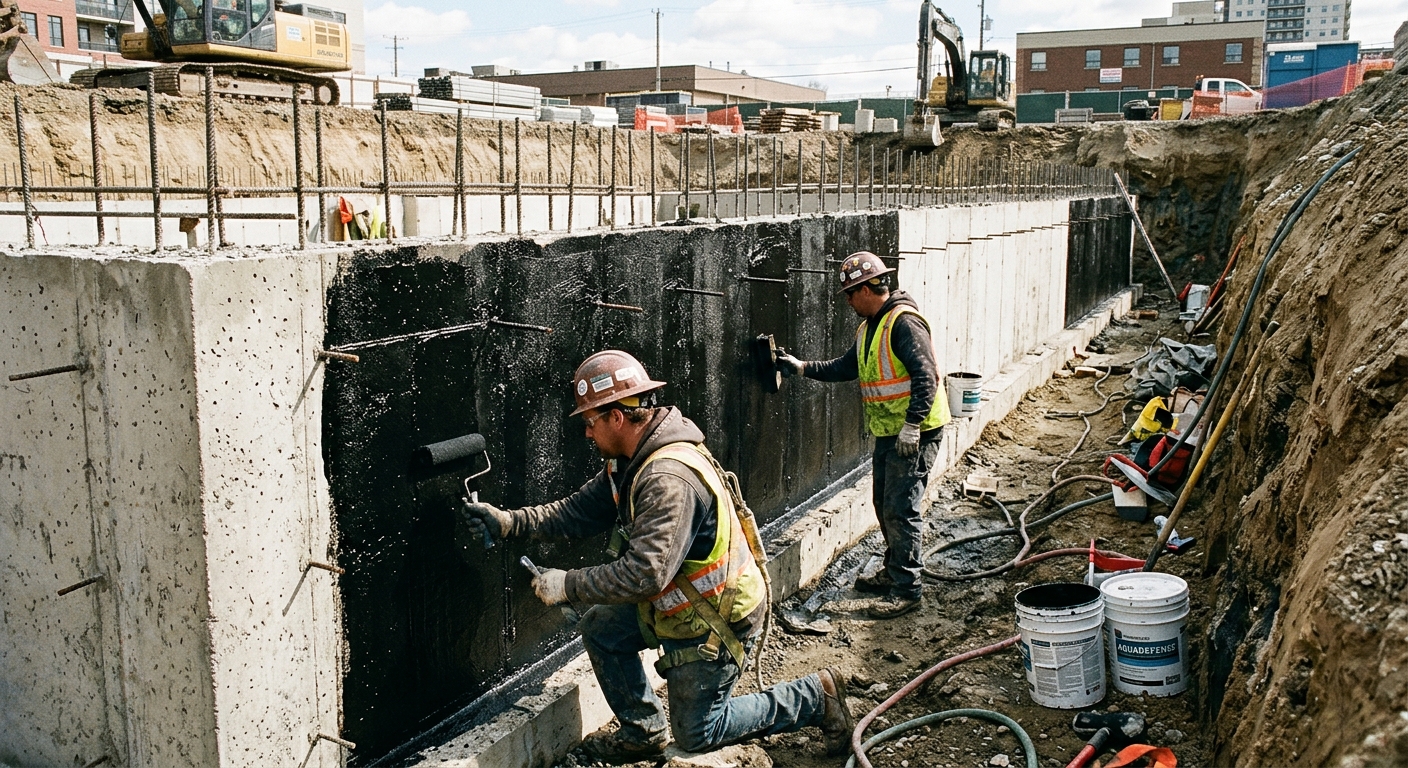
Basement waterproofing options and costs in Denman Island Trust Area
In the Denman Island Trust Area of British Columbia, homeowners usually have one of two goals: stopping active seepage right away, or reducing the overall hydrostatic pressure that keeps moisture coming back. With a small population of 1,165 (Statistics Canada, 2021 Census), you’ll often notice less competition than on Vancouver Island and the Gulf Islands, which can affect availability for excavations, interior demolition, and inspection scheduling. Many properties here are also older, and older foundation drainage systems—especially perimeter weeping tile—are more likely to be partially failed, which shifts the conversation toward either full exterior drainage replacement or an interior retrofit with a properly sized sump.
In the Lower Mainland–Southwest, soil saturation and groundwater levels are the main cost drivers, and Denman Island Trust Area owners feel that same “wet-backfill” reality when original drainage fails. Coastal BC’s frequent, prolonged rainfall keeps backfill near saturation for longer periods, while wet, mild winters and freeze-thaw can widen existing joints and hairline cracks. That means a repair that’s “good enough” in drier regions can still leak again here. Contractors are also managing elevated labour and access constraints when decks, shrubs, or rocky excavation conditions require mechanical breaking.
Demand is especially steady around Cassidy Bay-style shoreline properties and the more densely landscaped areas along Denman Island’s main settlement pockets, where restoring drainage and managing yard disruption are both high priorities. The best fit depends on where water is entering and whether you can cost-justify exterior excavation versus a focused interior system.
Use the table below to compare typical methods, what they address, and realistic budget ranges, then we’ll cover what can move those numbers up or down.
| Method |
What It Addresses |
Disruption Level |
Durability |
Price Range |
| Exterior excavation + new membrane + drainage tile |
Primary water entry from around the foundation, rebuilds the drainage path and water barrier |
High (excavation, landscaping removal, re-grading) |
High (best control of hydrostatic pressure) |
$15,000–$30,000 |
| Interior perimeter drain channel + sump pit |
Manages water after entry and relieves seepage at the slab/foundation interface |
Medium (interior demo at perimeter) |
Medium-to-High (depends on sump sizing and discharge) |
$8,000–$18,000 |
| Foundation crack injection (epoxy or polyurethane) |
Seals cracks; epoxy targets non-moving cracks, polyurethane targets active leaks |
Low-to-Medium (access drilling from interior) |
Medium (best when water entry is controlled) |
$500–$2,000 |
| Sump pump installation (primary + battery backup) |
Prevents flooding by moving intercepted water; backup reduces risk during outages |
Medium (pit, discharge line routing) |
Medium-to-High (system reliability matters) |
$1,000–$5,000 |
| Window well drain installation |
Stops pooling and leakage near below-grade windows |
Low-to-Medium (local excavation around window) |
Medium (targeted fix for a common leak point) |
$1,500–$4,500 |
| Lot re-grading / downspout extension |
Reduces runoff against the foundation and improves surface drainage |
Low-to-Medium (yard adjustments) |
Low-to-Medium (supports other fixes) |
$2,000–$6,000 |
Prices are estimates only and vary by project scope, site access and material selection.
What affects the price of waterproofing in Denman Island Trust Area
In Denman Island Trust Area and across the Lower Mainland–Southwest, it’s normal to see quotes for similar waterproofing work swing by roughly 30% to 50%. The reason is that “same-sounding” solutions often target different water sources, and the local site conditions change how much labour and material are actually required. Even within British Columbia, two homes can end up with very different costs because soil conditions, water table behaviour, and freeze-thaw exposure control both the leak pathway and the durability of repairs.
Three drivers separate regional pricing from a national average: soil type, water table, and freeze-thaw. Unlike clay-heavy, highly expansive soils in parts of Ontario and the Prairies, Lower Mainland–Southwest problems often come from persistent saturation and drainage challenges rather than extreme seasonal swelling—yet the effect is still costly when the ground stays hydrostatically “charged.” High water tables raise sump pump run times and increase the need for adequate discharge routing. Freeze-thaw cycles in a wet, mild climate can widen existing cracks and joints, so patch-style work can fail sooner if the underlying water pressure isn’t relieved. In neighbourhoods with older housing stock, you also see more failing original weeping tile, corrosion, and seepage through poured-concrete or block foundation walls.
Concrete examples from Denman Island Trust Area projects: (1) If you’re replacing exterior drainage, rocky sections or tight perimeter access can require mechanical breaking during excavation, pushing the exterior excavation + membrane budget toward the upper end of $15,000–$30,000. (2) If leakage is localized (for example, active crack seep at one run), crack injection may keep you closer to $500–$2,000—but only if the water entry is addressed so the repaired crack isn’t continually stressed.
Next, you’ll want to assess what’s driving your estimate—because that’s where the real value comparison lives.
| Price Factor |
Why It Matters |
Cost Impact |
| Interior vs. exterior approach |
Interior systems handle water after entry; exterior systems address the source by managing hydrostatic pressure |
Exterior typically costs more due to excavation and landscaping restoration |
| Foundation type |
Poured concrete, block, stone, and ICF respond differently to crack repair and drainage placement |
Block foundations often need interior drainage for reliability; poured concrete may seal better with targeted injection |
| Soil type |
Clay generally holds water longer and can add pressure; sand drains faster |
Higher saturation soils increase seepage and drainage sizing requirements |
| Crack type and length |
Hairline cracks may be treated differently than structural horizontal or step cracks |
Structural or leaking cracks require more labour, surface prep, and sometimes engineering review |
| Sump pump backup system |
Backup reduces flood risk during power disruptions common during spring wet weather |
Backup (battery or water-powered) raises price but materially improves protection |
| Access |
Decks, driveways, tight yards, and landscaping determine excavation time and disposal logistics |
Poor access can increase labour and create higher removal/replacement costs |
| Weeping tile age |
Original tile can fail over decades, collapsing or becoming disconnected |
Complete failure often means replacement rather than patching |
| Mould or efflorescence remediation required before sealing |
Moisture evidence must be treated so coatings and sealants bond properly |
Remediation adds scope and can prevent future re-leaking |
Permits & regulations in British Columbia
In British Columbia, foundation excavation, structural crack repair, and changes to lot drainage typically require a building permit. If your plan includes redirecting or connecting a sump discharge to an existing storm or sanitary sewer system, municipal approval is also commonly required. For structural crack repair—particularly horizontal cracks in block walls, major step cracks, or any sign of movement—a structural engineer’s assessment is often expected to confirm whether underpinning or other structural work is necessary. Before signing, ask the contractor whether they include engineering support for structural repairs and confirm they carry liability insurance. For worker protection, verify WSIB/WCB coverage (the specific provincial program depends on contractor status, but you should be able to request a clearance document or proof of coverage).
What typically does require a permit: exterior excavation along the foundation, replacing/perforating drainage systems where lot drainage is being reconfigured, structural crack repairs where the crack pattern suggests more than simple seepage, and major changes to drainage routes. What typically does not require a permit: localized crack injection strictly for sealing non-structural seepage (still confirm with your contractor and local authority), interior sump additions that do not alter foundation structure (but connecting discharge lines may trigger approval), and targeted window well drainage adjustments.
To verify a contractor in Denman Island Trust Area, homeowners should: (1) check the contractor’s licence/registration using online provincial registries; (2) request a certificate of insurance showing liability coverage and confirm it’s active; (3) request a current WSIB/WCB clearance letter or proof of coverage; and (4) ensure the contract lists who pulls permits and what’s included if engineering review is required.
Interior vs exterior waterproofing — what does Denman Island Trust Area need?
The fundamental difference is about where you deal with water. Exterior waterproofing involves full excavation, installation of a new membrane, replacement or renewal of drainage tile, and then re-backfilling. It targets the source by reducing hydrostatic pressure against the basement wall. Interior waterproofing typically installs a perimeter drain channel, sump pit, and sump pump. This manages water after it enters and collects seepage, but it doesn’t remove the pressure acting on the wall itself.
Given Denman Island Trust Area’s wet, coastal conditions and Lower Mainland–Southwest-style saturation pressures, many homeowners benefit from exterior solutions when the weeping tile system is failing or the home shows recurring seepage across multiple wall runs or at the slab edge. If your basement has poured concrete walls with stable, non-moving cracks, crack injection can work well as part of a broader plan because poured concrete often responds better to properly selected injection materials when water entry is limited. Block foundations often need interior drainage as a practical complement because jointing and crack patterns can create pathways that are harder to fully control from the exterior when excavation is constrained.
Sump pump backup matters here. In spring wet spells and outage-prone periods, a battery or water-powered backup can prevent a short-duration failure from turning into major cleanup. That’s one of the reasons interior systems can be cost-effective yet still deliver high risk reduction when designed correctly.
To see where the price difference is justified: if you’re facing broad, repeating seepage and your drainage tile is likely original (often decades old), moving toward exterior work can align with budgets around $15,000–$30,000. If the issue is concentrated at interior perimeter seepage with accessible discharge and you can manage it with a properly sized sump system, interior options often land in the $8,000–$18,000 range—without the excavation and landscaping disruption.
| Method |
Best For |
Addresses Source? |
Disruption |
Lifespan |
Price Band |
| Full exterior excavation + membrane |
Widespread seepage, failed exterior drainage, persistent hydrostatic pressure |
Yes |
High |
Long (when properly detailed and backfilled) |
$15,000–$30,000 |
| Interior French drain + sump system |
Interior moisture control when exterior excavation is limited or weeping tile is failing |
No (relieves after entry) |
Medium |
Long if pump, discharge, and check valves are maintained |
$8,000–$18,000 |
| Crack injection — epoxy (structural) |
Non-moving cracks and stable seepage pathways in poured concrete |
Partially (seals the pathway) |
Low-to-Medium |
Medium-to-Long when water pressure is managed |
$500–$1,500 |
| Crack injection — polyurethane (active leak) |
Active leaks and cracks with minor movement where flexible sealing is needed |
Partially (seals the pathway) |
Low-to-Medium |
Medium (can require additional drainage if pressure persists) |
$800–$2,000 |
| Interior drain channel only (no sump) |
Light seepage where gravity discharge is reliable and elevations permit |
No |
Medium (still involves interior demo) |
Medium (depends on discharge reliability) |
$4,000–$10,000 |
| Re-grading + downspout extensions |
Surface runoff issues that push water toward the foundation |
No (prevents adding new water load) |
Low-to-Medium |
Short-to-Medium (as a support measure) |
$2,000–$6,000 |
How to choose a waterproofing contractor in Denman Island Trust Area
Choosing a waterproofing contractor in Denman Island Trust Area comes down to proof: proof that they’re licensed where required, insured, and able to support technical decisions for drainage and structural crack repair. In British Columbia, verify contractor registration/licensing through the provincial online registry. Next, request a certificate of liability insurance and confirm the coverage is active and current for the duration of the work. Finally, ask for a WSIB/WCB clearance letter or proof of coverage—this is essential if anyone is doing physical labour on your property. Don’t accept “we’re covered” without documents you can view and keep.
When you request quotes, aim for 2–3 itemised written estimates, not a single lump sum. The best quotes break down labour and materials for the specific scope: membrane type, drain tile sizing, sump components, discharge piping, crack injection product selection, disposal, and any required interior/exterior demolition and restoration. Confirm what’s excluded: permit pulling, engineering/structural assessment if needed, mould remediation, hazardous material handling, and whether restoration is included (e.g., drywall, flooring, landscaping).
Warranty matters in damp coastal climates. Ask for a workmanship warranty length (and what conditions void it), plus product/manufacturer warranties and whether they’re transferable to you. For payment, keep it controlled: never pay more than 10–15% upfront, and hold back a portion until completion and demonstration of proper operation (especially sump pump testing and discharge verification). In the schedule, require a written start date and completion estimate. Ask how weather delays are handled, since prolonged rain can affect excavation and membrane installation windows.
- Provides an itemised breakdown (labour, materials, disposal, restoration).
- Includes a site-access plan for excavations, including how decks/driveways are handled.
- States exactly where water is expected to enter and what evidence supports that diagnosis.
- Documents sump pump specifications (basin size, discharge line, check valve, alarms if offered).
- Discusses freeze-thaw and how sealants/membranes are protected during application.
- Confirms exterior discharge route meets local expectations and avoids backing up.
- Names the crack injection product and why it’s epoxy vs polyurethane for your crack type.
- Includes a permit/engineering section: who pulls permits and when (or explains why not needed).
- Shows insurance and WSIB/WCB clearance documents before work begins.
- Guarantees workmanship in writing, including start-to-finish scope and void conditions.
- Limits upfront payment to 10–15% and includes a progress/holdback schedule.
- Provides a written timeline and a weather contingency plan.
Red flags to watch for: vague scope language like “waterproofing will be done” without explaining source control; refusing to provide insurance/WSIB/WCB proof; quoting only a single method without acknowledging whether exterior drainage tile may be failing; asking for large upfront payments (over 10–15%); and skipping sump pump testing/commissioning or documenting discharge routing on completion—especially important in British Columbia’s wet-season patterns.
Frequently asked questions — waterproofing in Denman Island Trust Area
How do I compare waterproofing quotes?
Start by comparing the scope, not just the final total. In Denman Island Trust Area and across British Columbia, two quotes can both say “waterproofing” but one may only manage water inside while the other addresses hydrostatic pressure by replacing perimeter drainage and adding a proper membrane system. Ask for an itemised breakdown: excavation depth, drainage tile type/sizing, membrane details, sump basin and discharge routing, disposal, and what interior or landscaping restoration is included. If crack injection is proposed, require the crack type basis (epoxy for stable cracks, polyurethane for active leaks). Also confirm whether mould/efflorescence remediation is included before sealing and whether permits/engineering are covered when structural cracks are involved. As a benchmark, exterior budgets often align with $15,000–$30,000, while interior perimeter drainage commonly lands around $8,000–$18,000.
How long does basement waterproofing take in Denman Island Trust Area?
Timing varies mainly with access, excavation conditions, and weather windows for membrane work. For interior perimeter drainage and sump installation, projects can often be completed in several days to about one to two weeks including interior demo and re-finishing, assuming materials are on hand and discharge routing is clear. Exterior work generally takes longer because excavation, mechanical breaking (when rock is encountered), membrane installation, drainage tile rebuild, backfill, and re-grading require more sequential steps and curing/handling time. Coastal BC’s frequent rain can slow exterior excavation and backfill scheduling, so reputable contractors include weather contingency in the schedule. If you’re doing crack injection, timelines are often shorter—sometimes a few days for prep and injection—yet curing and any required remediation still affect start-to-finish duration. Ask your contractor for a written timeline with start date, completion estimate, and “rain delay” rules.
What is a weeping tile and does my Denman Island Trust Area home have one?
A weeping tile (often called perimeter drain tile) is the drainage layer installed around the foundation that collects infiltrating water and routes it to a sump or discharge point. Many older homes in Denman Island Trust Area were built with original perimeter drainage systems that are now partially failed due to decades of saturation, disconnections, or deterioration. Whether you have one depends on your home’s age, foundation style, and renovation history. Signs you may have had it include visible cleanouts, sump features in the basement, or older backfill drainage patterns. The simplest way to confirm is a combination of basement inspection (looking for weeping tile discharge points, sump pits, or old drain piping) and exterior evidence from prior excavations. If your basement moisture pattern is active after heavy rain, and you don’t have reliable interior drainage, your original weeping tile may be compromised—one reason exterior drainage replacement can move estimates into $15,000–$30,000 territory.
Can I waterproof my basement in winter in Denman Island Trust Area?
You can waterproof in winter in British Columbia in some cases, but feasibility depends on the method. Interior crack injection and many interior sump/perimeter drainage tasks are often possible if surfaces can be kept workable and materials can be installed properly without freezing conditions that affect curing. Exterior excavation is more challenging during cold weather and wet freeze-thaw periods; working around foundation edges can be unsafe and membrane installation/detailing may be affected by temperatures and moisture. Denman Island Trust Area’s coastal climate still brings cycles of dampness and freezing that can widen joints and make excavation unpredictable. The practical approach is to have the contractor assess readiness: confirm foundation access, soil conditions, and whether curing and backfill can proceed safely. If an exterior membrane system is planned, contractors typically prefer windows when freezing conditions won’t interfere with installation and backfill stability. For winter timing, ask how they protect surfaces and what tasks are deferred.
What is the difference between waterproofing and damp-proofing?
In plain terms, waterproofing is designed to handle higher moisture pressure and actual seepage risk, while damp-proofing is meant to resist minor moisture from soil contact without relying on major drainage or hydrostatic pressure management. In Denman Island Trust Area, where prolonged coastal rainfall and high saturation can keep pressure against basement walls, “damp-proof” approaches can leave you exposed if the source water is persistent. That’s why many homeowners end up needing exterior drainage tile + membrane (true source control) or an interior perimeter drain and sump (reliable relief after entry). Crack injection can also be part of either strategy, but the product selection matters: epoxy vs polyurethane is chosen based on whether cracks are stable or actively leaking. A good waterproofing plan aligns the method with the water entry pathway, not just the symptoms. If you’re budgeting, the more comprehensive systems that address pressure and drainage tend to fall closer to $15,000–$30,000 for exterior solutions or $8,000–$18,000 for interior perimeter drainage plus sump support.
Will basement waterproofing affect my property value in Denman Island Trust Area?
Yes, it often can—especially when the work is properly diagnosed, documented, and executed to address the actual leak source. In Denman Island Trust Area and across British Columbia, buyers and appraisers typically view recurring seepage, musty odours, or visible efflorescence as risk factors. A credible waterproofing system reduces the chance of future water damage, mould recurrence, and interior deterioration, which can improve marketability and buyer confidence. The best value impact comes from doing the “right fix” for your home’s conditions (for example, interior sump relief when excavation isn’t feasible, or exterior drainage/membrane when perimeter drainage is failing). Keep all paperwork: warranties, product/manufacturer details, engineering notes if applicable, and photos before and during installation. That documentation supports disclosure conversations later. While waterproofing doesn’t guarantee a specific resale price, it generally protects the home’s livability and reduces the probability of costly remediation after heavy rainfall periods.