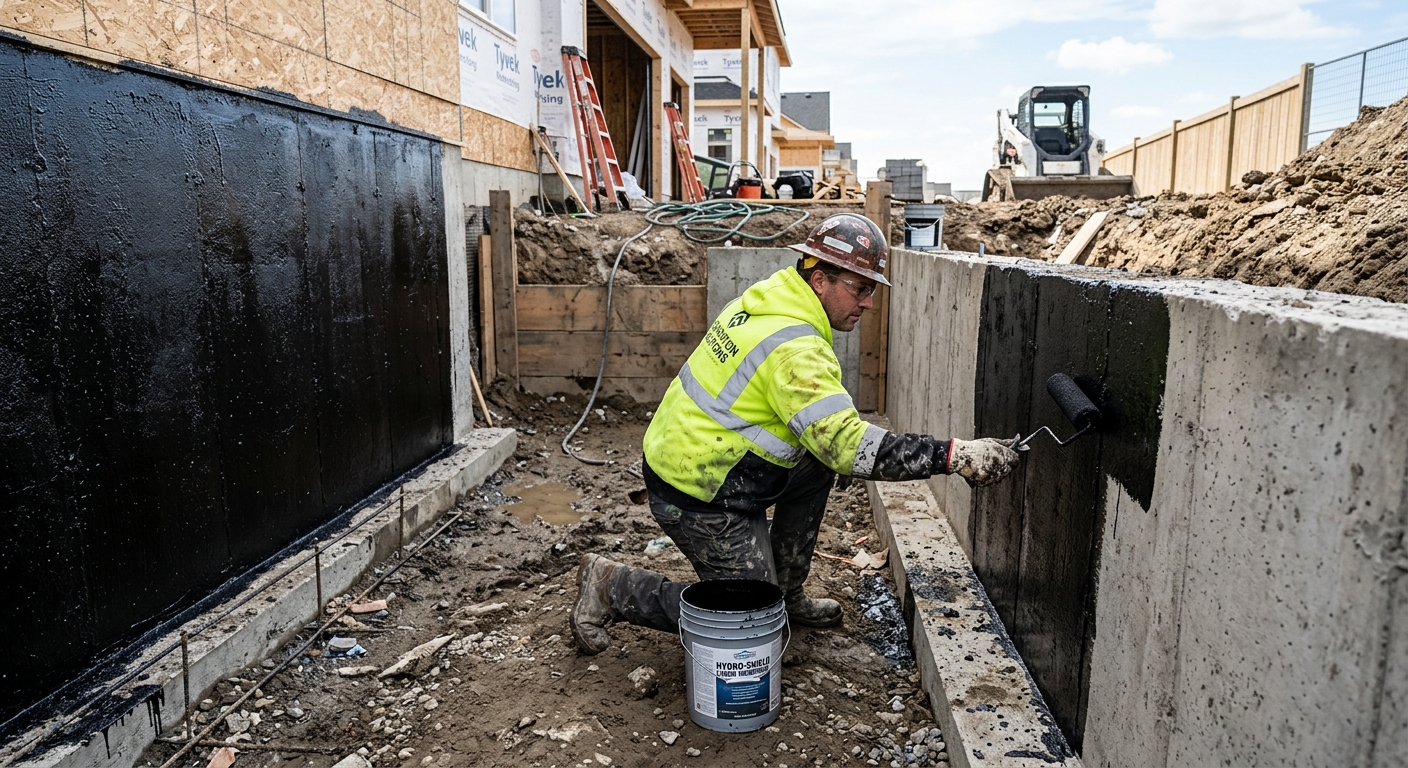
Basement waterproofing options and costs in Chinatown
In Chinatown, Alberta, homeowners typically face one question sooner than they expect: how to stop basement seepage before it becomes mould, efflorescence, or recurring wall dampness. With Calgary’s climate and older housing stock, the “best” fix is often the one that matches the water source—surface runoff, groundwater pressure, or failing below-grade drainage. That matters because many homes in this area were built in earlier eras, when tar-and-paper style waterproofing and weeping tile systems were common, and long-term performance depends heavily on whether those systems have been maintained or replaced.
Chinatown’s smaller community size—population 2,250 in 2021 (Statistics Canada, 2021 Census)—also affects how work gets scheduled. Contractors who can handle excavation access, debris removal, and detailed drainage layouts may book quickly, especially during thaw-to-summer transition windows when access is easiest.
In Calgary, clay and clay‑till soils hold water and expand when saturated, increasing lateral pressure on foundation walls. Freeze–thaw cycles can widen existing cracks and joints, letting meltwater and spring runoff penetrate more easily. That’s why exterior excavation projects tend to cost more but can be the most durable path when the original drainage is undersized or failed. Interior systems are often chosen for less disruption when site access is tight, or when walls show minor leak patterns rather than persistent hydrostatic pressure.
Depending on the pocket, homes near older commercial/residential corridors—where lots are tighter and patios/decks limit excavation access—can see higher excavation and disposal costs. Below is a practical side-by-side comparison to help you map your situation to a realistic price range and disruption level, starting with the most source-control options.
| Method |
What It Addresses |
Disruption Level |
Durability |
Price Range |
| Exterior excavation + new membrane + drainage tile |
Source control for water entry; continuous exterior waterproofing plus functioning perimeter drainage |
High (excavation, backfill, landscaping/driveway patching) |
Highest (when done as a full perimeter system with proper slope) |
$9,000–$25,000 |
| Interior perimeter drain channel + sump pit |
Collects seepage after it enters; reduces wall saturation and relieves pressure |
Medium (interior floor cutting, framing/finish protection) |
High (reliable when sump pumping is maintained) |
$5,000–$15,000 |
| Foundation crack injection (epoxy or polyurethane) |
Stops leakage through cracks; stabilizes water paths (epoxy for structural/“non-moving” cracks, polyurethane for active leaks) |
Low (minor concrete drilling/cleanup) |
Medium to high (depends on whether hydrostatic pressure remains) |
$500–$1,800 |
| Sump pump installation (primary + battery backup) |
Prevents water buildup in the sump; protects during power outages |
Low to medium (cutting, electrical work, discharge line routing) |
High (best with a backup system in Alberta winters/spring events) |
$900–$3,000 |
| Window well drain installation |
Directs water away from egress areas and reduces ground saturation near windows |
Low to medium (window well excavation and grading work) |
Medium (helpful where leaks originate at specific points) |
$1,200–$4,000 |
| Lot re-grading / downspout extension |
Improves surface drainage; reduces water that reaches foundation and weeping tile |
Low (landscaping and small concrete/soil changes) |
Medium (works best with intact drainage and sealed cracks) |
$800–$3,500 |
Prices are estimates only and vary by project scope, site access and material selection.
What affects the price of waterproofing in Chinatown
In Chinatown, two homeowners can receive quotes for the “same” leak but see a 30–50% difference once the contractor prices the real site conditions. That variation is common across Calgary and Alberta because waterproofing is rarely a single material job—it’s excavation logistics, drainage design, and how much water pressure the system must manage. When labour and disposal are the same, the biggest drivers are soil type, water table conditions, and freeze–thaw damage patterns.
Soil type matters most in the Calgary and surrounding area: clay and clay‑till soils hold water, then expand when saturated. That expansion increases lateral pressure and can worsen cracks over time, meaning some “repairs” need to become perimeter drainage solutions instead of patchwork. Freeze–thaw cycles are another separater—spring melt and widening joints mean interior systems often require deeper channels or more robust sump pumping to match what’s coming through after snowmelt.
In Calgary, water table conditions can vary along low-lying pockets toward river valleys, so hydrostatic pressure may be moderate at one address and significant at another. Where seasonal groundwater and storm events spike the load, sump run times rise and perimeter drains may need additional routing or stronger discharge capacity. By contrast, when the foundation sits higher on better-draining soils, costs can lean toward the lower end of the interior range (for example, projects in the $5,000–$15,000 band) rather than reaching for full exterior excavation (the $9,000–$25,000 band).
Concrete examples from Chinatown-area basements that move the price up or down: a poured-concrete wall with multiple hairline cracks usually responds well to targeted crack injection and localized drainage, while a block foundation with a history of efflorescence often needs interior perimeter drains before sealing. Likewise, if your basement has a finished floor over a large footprint, interior work still costs more due to protection, cutting, and restoration timing. Access also changes economics—removing a patio, narrow egress path constraints, or heavy clay spoils disposal can quickly add labour days.
| Price Factor |
Why It Matters |
Cost Impact |
| Interior vs. exterior approach — interior is less disruptive but addresses symptoms |
Interior systems manage water after entry; exterior tackles the source and pressure path |
Interior often lands lower overall, while exterior excavation shifts the job into the higher band |
| Foundation type — poured concrete vs. block vs. stone vs. ICF |
Different wall materials crack and bond differently; repair methods and performance vary |
Poured walls may accept crack injection better; block and older stone often need complementary interior drainage |
| Soil type — clay expands more than sand, adding pressure |
Clay saturation increases lateral load and water migration through joints |
Greater drainage capacity and more robust details can increase scope |
| Crack type and length — hairline vs. structural horizontal cracks |
Active water paths and movement require different injection products and sometimes engineering review |
Structural or long horizontal cracks raise costs due to investigations and possible structural work |
| Sump pump backup system — battery or water-powered backup needed |
Spring events and outages mean pumps must continue when power drops |
Backup adds equipment and install labour, but reduces risk of repeat flooding |
| Access — landscaping, decks, or driveways must be removed for exterior |
Excavation in tight lots increases time, restoration, and potential complications |
Access constraints can push exterior projects toward the upper end of pricing |
| Weeping tile age — original tile (60+ years) may be completely failed |
Failed tile means water has nowhere to go and may bypass into basements |
Replacing/augmenting drainage often increases material and excavation time |
| Mould or efflorescence remediation required before sealing |
Sealing over active salts or contamination can trap moisture and worsen outcomes |
Remediation adds prep steps and controlled cleaning |
Permits & regulations in Alberta
In Alberta, many basement waterproofing projects are treated as building or drainage work, so permits may be required depending on what you’re changing. Typically, foundation excavation, structural crack repair (especially where a wall shows signs of movement), and changes to lot drainage or downspout routing often require a building permit. If a sump pump discharge line connects to a municipal system (storm or sanitary), you’ll usually need municipal approval and guidance on where that discharge is allowed to go.
For structural cracks—commonly horizontal cracks in block walls or major step cracks—plan on an engineer’s assessment in many cases. The purpose is straightforward: the contractor needs to confirm whether you’re dealing with simple leakage through a crack or a larger structural concern that would require underpinning or other structural remediation before sealing. Before work starts, confirm the waterproofing contractor can coordinate engineering support for structural repairs, and that they carry liability insurance and WSIB/WCB coverage.
Homeowners in Chinatown can verify compliance with a simple checklist: (1) ask for the contractor’s Alberta licence or registration details where applicable; (2) request a current certificate of insurance showing adequate liability coverage; (3) ask for WSIB/WCB account status or clearance documentation; and (4) confirm—in writing—whether a building permit pull is included, who pulls it, and what inspections are scheduled. If any of these items are missing or vague, pause and get clarity before signing a contract.
Interior vs exterior waterproofing — what does Chinatown need?
The fundamental difference is source control versus water management. Exterior waterproofing involves full excavation, new membrane, new drainage tile, and re-grading/backfill details. Done properly, it addresses the way water gets to and through your foundation so the wall experiences less pressure. It costs more and is more disruptive because it requires removing landscaping, working around tight lot lines, and restoring finishes after excavation.
Interior waterproofing—perimeter drain channel, sump pit, and sump pump—collects water after it enters and routes it to a sump for pumping. It’s usually less invasive and can be a smart choice when you can’t excavate easily, when leaks are localized, or when the exterior is inaccessible because of patios, mature landscaping, or limited side yard space. However, interior solutions don’t stop hydrostatic pressure from acting on the wall. That’s why the “best” fit in Chinatown often depends on foundation type and crack behaviour.
In this Calgary-area clay and freeze–thaw environment, poured concrete walls often respond well to crack injection when cracks are primarily leakage paths (not ongoing movement). Block foundations are more variable; they often benefit from interior drainage as a practical complement to sealing because gaps, joints, or localized seepage may persist even after injection. For spring flooding risk, consider sump pump backup systems—battery backup is especially important if the province’s seasonal storms coincide with outages.
Dollar-wise, a realistic scenario is when exterior excavation is not needed: you might be able to resolve a recurring wall dampness problem with an interior perimeter drain plus sump and targeted sealing in the $5,000–$15,000 band, rather than paying the full exterior excavation $9,000–$25,000 band. But if you have ongoing hydrostatic pressure indicators (consistent seepage after heavy rain/snowmelt) and failed perimeter drainage, the exterior option can be justified because it reduces long-term recurrence risk.
| Method |
Best For |
Addresses Source? |
Disruption |
Lifespan |
Price Band |
| Full exterior excavation + membrane |
Frequent seepage, strong evidence of hydrostatic pressure, failed drainage, or multiple wall leak points |
Yes |
High (excavation and landscape restoration) |
Long (often the most complete long-term solution) |
$9,000–$25,000 |
| Interior French drain + sump system |
Concrete block or poured walls with intermittent seepage, limited exterior access, or homeowner preference to stay mostly inside |
Partially (manages water after entry) |
Medium (floor cutting and interior restoration) |
Long with proper pump maintenance |
$5,000–$15,000 |
| Crack injection — epoxy (structural) |
Non-moving structural cracks where sealing is primary and wall movement is minimal |
No (seals leakage path; doesn’t replace drainage) |
Low |
Medium to long (depends on ongoing pressure) |
$500–$1,800 |
| Crack injection — polyurethane (active leak) |
Active water weeping through cracks or joints where flexibility is needed |
No (treats the entry points; may need drainage support) |
Low |
Medium (best when combined with drainage improvements) |
$600–$2,200 |
| Interior drain channel only (no sump) |
Minor dampness episodes where a gravity or controlled drainage solution is feasible |
No (requires low hydrostatic pressure conditions) |
Medium to low (depends on floor work) |
Shorter to medium (risk increases if water volume is higher) |
$3,500–$8,500 |
| Re-grading + downspout extensions |
Surface runoff problems, near-foundation puddling, or obvious gutters/patio splashback |
Partially (reduces water reaching foundation) |
Low |
Medium (only as good as your drainage system) |
$800–$3,500 |
How to choose a waterproofing contractor in Chinatown
Choosing the right contractor in Chinatown is about verification and clarity. Start by confirming Alberta compliance and real coverage, not promises. Ask for the contractor’s Alberta licence/registration details where applicable, then request a current certificate of insurance (liability) and proof of WSIB/WCB coverage. If they can’t provide paperwork quickly, that’s a warning sign—especially for projects involving excavation, electrical work for pumps, or interior demolition.
Next, get 2–3 itemised written quotes that break labour and materials out separately. A proper quote should list excavation scope or interior floor cutting, membrane/drainage materials, sump pump specifications (including discharge routing), and disposal/restoration allowances. Make sure exclusions are explicit: what happens if mould is found, whether permit pull is included, and whether drainage tile replacement or only cleaning is proposed. Disposal fees for clay spoils can add meaningful cost in the Calgary market, so insist it’s addressed.
Warranty should be specific: workmanship warranty length, product/manufacturer warranty, and whether warranties are transferable if you sell. Payment schedule matters too. Never pay more than 10–15% upfront; use progress payments and keep a holdback until the job is complete and tested. Finally, request a written start date and completion estimate, plus how they’ll handle spring weather delays.
- Ask for written scope: what is included, what is excluded, and what triggers change orders.
- Confirm permit responsibility in writing (who pulls it and what inspections are expected).
- Request itemised labour/materials, not just a lump-sum number.
- Verify liability insurance and ensure the certificate is current.
- Verify WSIB/WCB coverage documentation before work begins.
- Check sump pump model/specs, discharge routing, and whether backup is included.
- Confirm crack injection type selection (epoxy vs polyurethane) based on crack behaviour.
- Ask how they assess weeping tile condition (inspection, camera, or evidence-based testing).
- Ensure mould/efflorescence remediation is addressed before any sealing system is applied.
- Clarify restoration scope: floor finishes, paint, landscaping, and concrete patching.
- Confirm warranty terms and whether they cover recurring leaks.
- Set a payment schedule with a holdback until punch list completion.
In Chinatown, red flags to watch for: contractors who won’t put permit responsibility in writing, quotes that skip sump details (pump capacity/backup) yet claim “complete waterproofing,” vague product specs (no membrane or pump model numbers), and plans that ignore your foundation type (poured vs block) when recommending injection alone. Also be cautious with unusually low bids that don’t include disposal, excavation restoration, or pre-treatment for efflorescence/mould.
Frequently asked questions — waterproofing in Chinatown
Can I waterproof my basement from the inside only?
Yes, many Chinatown basements are waterproofed from the inside only, especially when excavation isn’t practical due to tight side yards, patios, or landscaping. Interior perimeter drains and a sump can be very effective in Calgary’s clay soils when the goal is to manage water after it enters, particularly during spring melt. However, it won’t stop hydrostatic pressure pushing against the foundation wall, so recurring heavy seepage may still show up if the exterior drainage is failed. A common approach is combining an interior French drain/sump system with targeted crack injection. Costs typically land in the $5,000–$15,000 range for interior drainage, with sump-related upgrades added on top. If you’re seeing persistent dampness after heavy rain or snowmelt, ask your contractor to explain whether the exterior perimeter drainage is likely intact.
What causes foundation cracks in Chinatown?
In Chinatown and the wider Calgary area, the most common drivers are freeze–thaw cycles and clay-heavy soil behaviour. Water gets into cracks and joints, then freezes and expands, widening the opening over time. When saturated, clay and clay‑till soils can expand and exert increased lateral pressure on foundation walls, which contributes to crack growth and dampness patterns. Another contributor is aging drainage: clogged or failed weeping tile and undersized interior drainage can keep the wall saturated longer through shoulder seasons. Homes with block foundations often show more variability at mortar joints and seams, while poured concrete can develop leakage-path cracks that are more “seepage-focused” if movement is minimal. If the cracks are horizontal or show signs of movement, structural assessment may be required before sealing. That’s why a proper quote should classify crack type and length, not just count visible lines.
How do I compare waterproofing quotes?
Start by comparing scope, not just the total number. In Chinatown, interior vs exterior choices and drainage design can swing prices significantly, so insist on itemised quotes that list labour and materials. Confirm whether disposal is included for excavated clay, whether permit pull is included, and whether restoration (floor patching, wall finishing, landscaping/grade corrections) is part of the base price. Compare what they’re treating: crack injection alone versus crack injection plus interior drainage, or a full exterior excavation plus new drainage tile. Ask for product model/specs (membrane type, drainage components, and sump pump specs including backup). A contractor should also explain how they’ll handle mould or efflorescence before sealing. For budgeting, you’ll often see exterior excavation quoted in the $9,000–$25,000 band and interior solutions in the $5,000–$15,000 band; big deviations usually mean major scope differences you should question.
How long does basement waterproofing take in Chinatown?
Timelines vary by scope and access, but you can usually plan around weather and restoration needs. Interior perimeter drain and sump work often takes several days to a couple of weeks, depending on how much floor must be cut, how long trades need for electrical rough-in, and the cure times for any sealants. Crack injection is typically faster—often completed in a day or two plus cleanup—though it depends on crack length and whether pre-remediation is needed. Full exterior excavation generally takes longer because excavation, membrane/draintile installation, backfill compaction, and restoration all have to be sequenced carefully. In Calgary’s freeze–thaw cycle, contractors also consider schedule risk around heavy thaw periods and rain. A written start date and completion estimate should be included in your contract, with a clear plan for delays. If you’re comparing quotes, check whether restoration work is scheduled inside the quoted timeframe or treated as “later.”
What is a weeping tile and does my Chinatown home have one?
A weeping tile is a perimeter drainage system installed at or near the foundation footing to collect groundwater and surface water and direct it away—either to a discharge point or into functional drainage infrastructure. Many older homes in Calgary-area neighbourhoods have some form of original drainage tile, but it may be clogged, disconnected, or failed over decades, especially if the system wasn’t maintained. Whether your Chinatown home has one depends on the house age and remodel history, not just the style of basement. Some homeowners discover it when they see evidence in the foundation area, while others need inspection methods such as camera inspection or evidence-based assessment from excavation or interior drain footprints. If your home has persistent dampness and efflorescence near multiple wall joints, it may indicate the weeping tile is not working. That’s one reason exterior membrane + new drainage tile can reach the higher $9,000–$25,000 band—when the source drainage is genuinely beyond repair.
Can I waterproof my basement in winter in Chinatown?
You can sometimes complete basement waterproofing in winter in Alberta, but the “right” work depends on conditions and scope. Interior projects like crack injection can often proceed because they don’t require full exterior excavation, and they may be more feasible when soils are frozen and excavation would be unsafe or ineffective. However, exterior excavation and membrane installation are usually limited when ground is frozen, because excavation depth, drainage tile placement, and proper backfill compaction become difficult. Calgary’s freeze–thaw patterns also mean water behaviour can change quickly—contractors may want to evaluate where water is coming from during thaw events before finalizing drainage details. If you’re relying on sump pump upgrades, confirm wiring/electrical is done to code and that discharge routing won’t freeze at the outlet. For winter planning, ask about schedule windows, cure times, and whether they recommend completing exterior work in spring while doing interior mitigation now. In any season, ensure the contractor’s warranty and permit responsibilities are clearly documented.