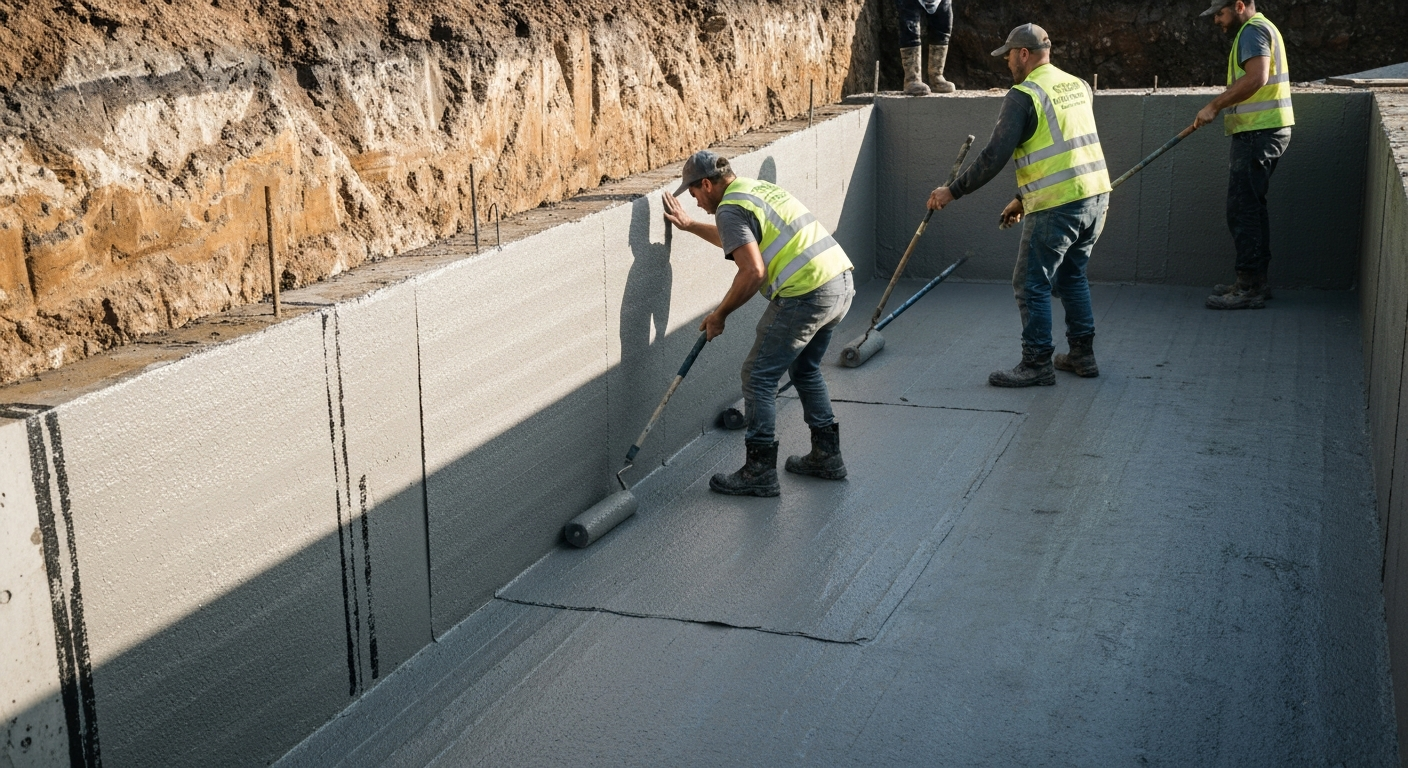
Basement waterproofing options and costs in Glenora
In Glenora, Alberta, basement waterproofing decisions usually come down to two realities: your local soil holds water, and southern Alberta’s freeze–thaw cycles widen weak points in foundations. With a population of 3,508 (Statistics Canada, 2021 Census), Glenora is small enough that homeowners often end up comparing repeat contractors and similar supply pricing, but site conditions still swing the final bill. In many Calgary-area neighbourhoods, older housing stock is common, and those earlier systems (like tar-and-paper styles and corroded weeping tile) are far more likely to have failed long before owners notice interior staining or damp corners—so the “right fix” can become much more than sealing a leak. Calgary and the broader region also see clay and clay-till soils that expand when saturated, increasing lateral pressure on foundation walls and footings.
That same water is also harder to manage during spring runoff and heavy rain events. If your home sits in a low-lying pocket or near a valley system, hydrostatic pressure can push water toward basement walls and slab edges—meaning sump and exterior drainage performance matter as much as the membrane itself. Add in excavation access (tight lot lines, existing decks, patios, and landscape features), and labour availability can affect scheduling and pricing. Contractors in Calgary often run near capacity during peak spring start-ups, especially for full-perimeter excavations that require machinery, disposal planning, and longer restoration.
Because of that, homeowners in Glenora frequently choose between source-control exterior work and symptom-control interior drainage. The table below summarizes the most common methods and typical cost ranges in your city tier, then you can match the approach to your foundation and water entry pattern.
| Method |
What It Addresses |
Disruption Level |
Durability |
Price Range |
| Exterior excavation + new membrane + drainage tile |
Source of water entry; full perimeter drainage; membrane protection against hydrostatic pressure |
High (excavate, landscaping removal, backfill, regrade) |
Long-term (commonly 15–25+ years with proper installation) |
$14,000–$25,000 |
| Interior perimeter drain channel + sump pit |
Water after it enters; intercepts seepage along foundation base; reduces hydrostatic effects on slab |
Medium (limited demolition at interior slab/finishes) |
Long-term (commonly 10–20+ years with quality sump operation) |
$7,000–$14,000 |
| Foundation crack injection (epoxy or polyurethane) |
Stops localized seepage through cracks; restores integrity based on crack type |
Low (minimal interior patching; spot drilling) |
Variable (often 5–15+ years depending on crack movement and product) |
$900–$1,800 |
| Sump pump installation (primary + battery backup) |
Keeps basement drier by pumping collected groundwater; backup supports spring storm/power events |
Low to medium (cutting for discharge line; pit installation) |
Long-term (serviceable, typically 10–15+ years for the system) |
$1,500–$3,000 |
| Window well drain installation |
Manages water at egress points; reduces wet window frames and mould risk |
Low to medium (excavation around window well) |
Good (typically 8–15+ years with proper gravel and weep routing) |
$1,000–$2,400 |
| Lot re-grading / downspout extension |
Stops roof runoff from saturating foundation soil; improves surface drainage |
Low (minor landscaping disruption) |
Moderate (typically 5–10+ years depending on maintenance) |
$1,200–$3,500 |
Prices are estimates only and vary by project scope, site access and material selection.
What affects the price of waterproofing in Glenora
In Glenora and across the Calgary economic region, two quotes for the same “leak” can differ by 30–50% because the scope often changes once we confirm where the water is coming from—cracks, wall joints, window wells, failed weeping tile, or surface runoff pushing water into the perimeter clay. In practice, that means “drying the basement” can become “controlling water pressure at the foundation,” and each step adds labour, materials, and excavation time.
The three biggest cost drivers that separate local pricing from a national average are soil type, water table conditions, and freeze–thaw. Calgary-area clay and clay-till expands when saturated, increasing lateral pressure on foundation walls and worsening crack movement over time. When freeze–thaw cycles widen joints and micro-cracks, water finds new pathways and penetrates behind sealants—so simple surface fixes can repeat. In some low-lying Bow/Elbow valley pockets, higher seasonal groundwater can raise sump pump run times and increase the capacity of drainage and discharge details you’ll need. Regions with heavy rainfall saturation can see backfill failures faster when drainage is already compromised, but in Alberta it’s the combination of saturated clay and winter cracking that drives the “rework” risk. Finally, older housing stock in the Calgary area increases the frequency of failed weeping tile and localized seepage through poured-concrete or block foundation walls.
Here are a few Glenora examples that move the number quickly. If your job requires exterior excavation around a patio and a tight side yard, your project can shift toward the upper exterior band (often near $14,000–$25,000). If we can resolve the issue from the inside with an interior drain plus a sump, many homeowners land in the mid range of interior waterproofing (often near $7,000–$14,000). And if you’re dealing with efflorescence and active seepage at multiple crack points, injection-only approaches can become uneconomic compared with a drainage-first scope.
| Price Factor |
Why It Matters |
Cost Impact |
| Interior vs. exterior approach — interior is less disruptive but addresses symptoms |
Exterior treats the source; interior manages collected water after entry |
Interior can be ~30–50% less expensive, but may require ongoing sump reliability |
| Foundation type — poured concrete vs. block vs. stone vs. ICF |
Different wall systems crack differently and respond to membranes/injection |
Poured walls may suit injection more; block often benefits from interior drainage complements |
| Soil type — clay expands more than sand, adding pressure |
Clay saturation increases hydrostatic/lateral pressure on walls and slab edges |
More drainage capacity and robust detailing can raise costs by thousands |
| Crack type and length — hairline vs. structural horizontal cracks |
Structural movement needs assessment; active leaks may require different injection materials |
Long or moving cracks increase labour and material quantities significantly |
| Sump pump backup system — battery or water-powered backup needed |
Spring flooding/power dips can prevent pumping at the worst time |
Backup commonly adds a few hundred to over a thousand depending on design |
| Access — landscaping, decks, or driveways must be removed for exterior |
Excavation and restoration time drive labour and disposal cost |
Restricted access can push projects to the top of exterior bands |
| Weeping tile age — original tile (60+ years) may be completely failed |
Old tile may be clogged, collapsed, or misdirected |
Often requires full replacement rather than minor repairs |
| Mould or efflorescence remediation required before sealing |
Water damage must be addressed before membranes/injection or it returns |
Additional remediation can add days and material costs |
Permits & regulations in Alberta
In Alberta, waterproofing-related work can cross into permit territory depending on what you’re changing. Generally, foundation excavation, structural crack repair, and changes to lot drainage are the types of work that often require a building permit. Where your sump pump discharge connects to municipal storm or sanitary systems (or requires new connection details), municipal approval is typically required. For structural crack repair—especially major horizontal cracks in block walls or any signs of movement—an engineer’s assessment is often needed to determine whether underpinning or other structural measures are necessary.
For homeowners in Glenora, the practical approach is to confirm scope with your contractor early and ask what permits are included. Some contractors pull the permit themselves and schedule inspection checkpoints, while others proceed only after you (the homeowner) handle approvals.
To verify your contractor the right way, follow these steps. First, check Alberta contractor licensing/registration through the province’s online registry (search the contractor name and confirm it matches the entity on your quote and invoice). Second, request a Certificate of Insurance and ensure liability coverage is active and includes the specific work described. Third, ask for WSIB/WCB clearance and confirm it covers the people who will be on your site. For structural crack work, confirm they have engineering support documented in writing (either a direct engineer relationship or documented third-party assessment process).
That verification step protects you if there’s unexpected movement, hidden water pathways, or inspection requirements tied to the foundation changes.
Interior vs exterior waterproofing — what does Glenora need?
The key difference between exterior and interior waterproofing is whether you control water at the foundation perimeter or manage it after it enters. In Glenora’s clay-and-clay-till conditions, full exterior waterproofing—excavation, a continuous exterior membrane, new drainage tile, and engineered backfill—tends to address the source of water entry. It’s the closest thing to “permanent” protection because it reduces hydrostatic pressure acting on the wall system and slab edge. The trade-off is cost and disruption: you’ll typically deal with excavation, disposal of heavy clay spoils, landscaping restoration, and sometimes relocating steps or patio sections.
Interior waterproofing—perimeter drain channel, a sump pit, and sump pump—works differently. It intercepts seepage at the interior foundation line and safely collects it for pumping. This approach is often less disruptive, especially when exterior access is tight, but it does not eliminate the pressure pushing water through cracks and joints; it simply keeps water from accumulating. In Calgary-area basements with block foundations, the inside system is frequently the practical complement because block wall leakage patterns and mortar joints can persist without exterior source control. For poured concrete walls, crack injection can be more effective when cracks are stable and properly matched to the right product.
Battery backup is worth considering for Alberta because spring outages do happen during heavy weather and utility strain. A sump without backup can turn a minor leak into a rapid flooding event.
For a dollar example, if you’re debating an interior solution around $7,000–$14,000 versus a full perimeter exterior approach around $14,000–$25,000, the extra spend is typically justified when you have repeated perimeter seepage, failed exterior weeping tile, or active hydrostatic pressure conditions—especially where interior-only work would run the sump for long periods.
| Method |
Best For |
Addresses Source? |
Disruption |
Lifespan |
Price Band |
| Full exterior excavation + membrane |
Frequent perimeter seepage, hydrostatic pressure concerns, failed weeping tile, low-lying lot moisture |
Yes (source control) |
High |
15–25+ years |
$14,000–$25,000 |
| Interior French drain + sump system |
Interior seepage control when exterior access is limited or as a reliable secondary line of defence |
No (after-entry management) |
Medium |
10–20+ years |
$7,000–$14,000 |
| Crack injection — epoxy (structural) |
Stable, non-moving cracks; restoring integrity in poured concrete or properly assessed cracks |
Partly (stops seepage through that crack) |
Low |
5–15+ years (depends on movement) |
$900–$1,800 |
| Crack injection — polyurethane (active leak) |
Cracks with active seepage or ongoing minor movement where flexibility is required |
Partly (stops that leak path) |
Low |
5–12+ years (depends on crack behaviour) |
$1,000–$2,000 |
| Interior drain channel only (no sump) |
Very limited seepage where gravity discharge or low water volumes are expected |
No |
Medium to high (depending on slab/finish) |
5–12+ years |
$5,000–$9,000 |
| Re-grading + downspout extensions |
Surface water problems from roof runoff; minor dampness tied to slope and splash-back |
Yes (reduces water loading at perimeter) |
Low |
5–10 years |
$1,200–$3,500 |
How to choose a waterproofing contractor in Glenora
Choosing the right contractor matters in Glenora because small missteps—like mismatched injection products, undersized sump capacity, or incomplete drainage detailing—show up later during spring thaw. Start by verifying Alberta coverage. Ask for their Alberta licence/registration details and confirm the entity name on the quote matches the one in the provincial registry. Next, request a current Certificate of Insurance (liability) and confirm it’s active and appropriate for excavation, concrete cutting, and drainage work. Finally, ask for WSIB/WCB clearance and make sure it applies to the workers who will be on site. Don’t accept expired documents or “we’ll get it later.”
Then get 2–3 itemised written quotes. You want a breakdown that separates labour and materials (for example: excavation, disposal, membrane system components, drainage tile, sump pit, pump, check valve, discharge piping, and restoration). A good quote should also state what’s excluded: permit pulls, engineered design/engineering consultation, mould remediation, concrete removal size, landscaping reinstatement, and disposal fees for heavy clay spoils.
Look at warranty terms too. Workmanship warranty should clearly state the length, what’s covered, and how claims are handled (including whether warranty is transferable if you sell). Product/manufacturer warranties should match the system used—not just generic statements. For payment, never pay more than about 10–15% upfront; hold back the remainder until the job is complete, inspected (where required), and the system is operational. Get start date and completion estimate in writing, especially for exterior work that depends on weather windows.
- Scope includes inspection steps (water pathways, foundation type, weeping tile condition)
- Manually sized sump and discharge routing details (not just “install a pump”)
- Backflow prevention included on discharge lines where required
- Disposal and restoration are itemised for excavation jobs
- Permit responsibilities are written clearly (who pulls, who pays)
- Warranty is in writing and covers workmanship, not just materials
- Battery backup options discussed if you’re in higher seasonal seepage risk
- Crack injection product matches crack behaviour (epoxy for stable, polyurethane for active)
- Photographs/documentation of waterproofing stages (membrane placement, drain tie-in)
- Clear measurement of cracks/linear footage and expected injection locations
- Realistic timelines tied to curing and weather requirements
- Communication plan: who to call for warranty service and how quickly they respond
Red flags I often see with waterproofing contractors in Glenora include: (1) quotes that omit disposal or restoration but assume “you’ll handle it later,” (2) “one-size-fits-all” crack injection without assessing movement, (3) no evidence of WSIB/WCB or insurance paperwork before work starts, (4) lump-sum pricing that doesn’t break out materials and labour for sump, tile, and membrane components, and (5) bypassing permits where foundation drainage or structural repairs require approval.
Frequently asked questions — waterproofing in Glenora
How does Glenora's soil affect my foundation?
In Glenora, the clay and clay-till soils typical of the Calgary area can hold onto water and expand when saturated. That movement increases lateral pressure against foundation walls and can worsen existing cracks over time. During spring thaw and freeze–thaw cycles, widened joints can become active pathways for water, which is why you may see seepage at corners, along base slabs, or through older weeping tile that has clogged. If your basement stays damp after heavy rain even when downspouts are clear, soil saturation is often the driver—especially if the perimeter isn’t draining properly. In those cases, interior drainage with a reliable sump system or a full exterior drainage/membrane strategy can be more effective than surface patching. (Statistics Canada, 2021 Census)
Do I need a permit for foundation work in Alberta?
In Alberta, the need for a permit depends on what you’re changing, but foundation excavation, structural crack repair, and changes to lot drainage are commonly permit-related items. Sump pump installations that connect to storm or sanitary systems typically require municipal approval before connection details are finalized. If you’re dealing with horizontal cracks in block walls or signs of movement, an engineer’s assessment is often part of meeting the correct regulatory pathway. For homeowners in Glenora, your safest approach is to ask the contractor to list every permit requirement in writing and confirm who pulls the permit and schedules inspections. Also request proof of WSIB/WCB coverage and liability insurance, and verify the work order matches the contractor entity shown on the provincial registry.
How long does waterproofing last?
How long waterproofing lasts depends on the method and whether the water source is truly controlled. Exterior waterproofing—when correctly installed with a continuous membrane and functional drainage tile—typically provides the longest service life, often 15–25+ years in Calgary-area conditions. Interior perimeter drains and sump systems commonly last 10–20+ years, but their longevity is strongly tied to pump reliability, discharge routing, and maintenance (especially during spring events). Crack injection can last 5–15+ years, depending on whether the crack is stable; injecting epoxy into an actively moving crack can shorten performance. For budgeting, many Glenora homeowners see exterior projects in the $14,000–$25,000 band, while interior drainage often falls around $7,000–$14,000, reflecting the difference between source control and after-entry management.
Can I waterproof my basement from the inside only?
Yes, in many Glenora basements you can improve performance from the inside only—especially when exterior access is limited or when the priority is controlling seepage and preventing standing water. Interior solutions like a perimeter drain channel paired with a sump pit help collect water after it enters and keep humidity and wetness under control. However, interior-only waterproofing does not eliminate hydrostatic pressure acting on the wall; it manages what the foundation “lets through.” If your weeping tile is failed or your basement experiences frequent perimeter wetting during heavy rains and spring thaw, an interior approach may still work, but it’s often more effective when paired with surface drainage improvements (re-grading and downspout extensions). For active leaks, crack injection (epoxy or polyurethane matched to crack behaviour) can help. In severe hydrostatic situations, exterior membrane and drainage usually deliver the most dependable results.
What causes foundation cracks in Glenora?
Foundation cracks in Glenora are commonly driven by soil moisture changes and freeze–thaw stress. Clay-heavy soils expand when saturated, which can increase lateral pressure against foundation walls and contributes to movement at joints. During winter, freeze–thaw cycles widen existing micro-cracks and can create new pathways for water, which then exaggerates the problem during subsequent thaws. Older homes are also more prone because earlier waterproofing systems and weeping tile installations have likely aged out—clogging can increase moisture around the perimeter. In block foundations, mortar joint deterioration and differential movement can show up as step cracks or localized seepage. In poured concrete, stable vertical cracks may respond well to injection after proper product selection. If you’re seeing horizontal cracks or signs of movement, treat that as a potential structural concern and ask for an engineer assessment rather than relying on sealing alone.
How do I compare waterproofing quotes?
Comparing quotes in Glenora is less about picking the lowest price and more about matching scope. Ask each contractor for an itemised breakdown—labour and materials for excavation/drainage/membrane where applicable, sump pit components (pump model, check valve, discharge line), and crack injection material quantities and locations. Confirm what’s included: permit pulls, disposal, restoration, and whether mould/efflorescence remediation is required before sealing. Watch for vague language like “waterproof the foundation” without stating the method (exterior membrane with drainage tile vs interior perimeter drain vs injection). Compare warranty terms, including workmanship duration and whether the warranty transfers if you sell. Finally, use the local price bands as a reality check: exterior excavation commonly runs in the $14,000–$25,000 range, while interior perimeter drain systems often fall around $7,000–$14,000. If a quote is far outside the band, ask what key scope element is missing.