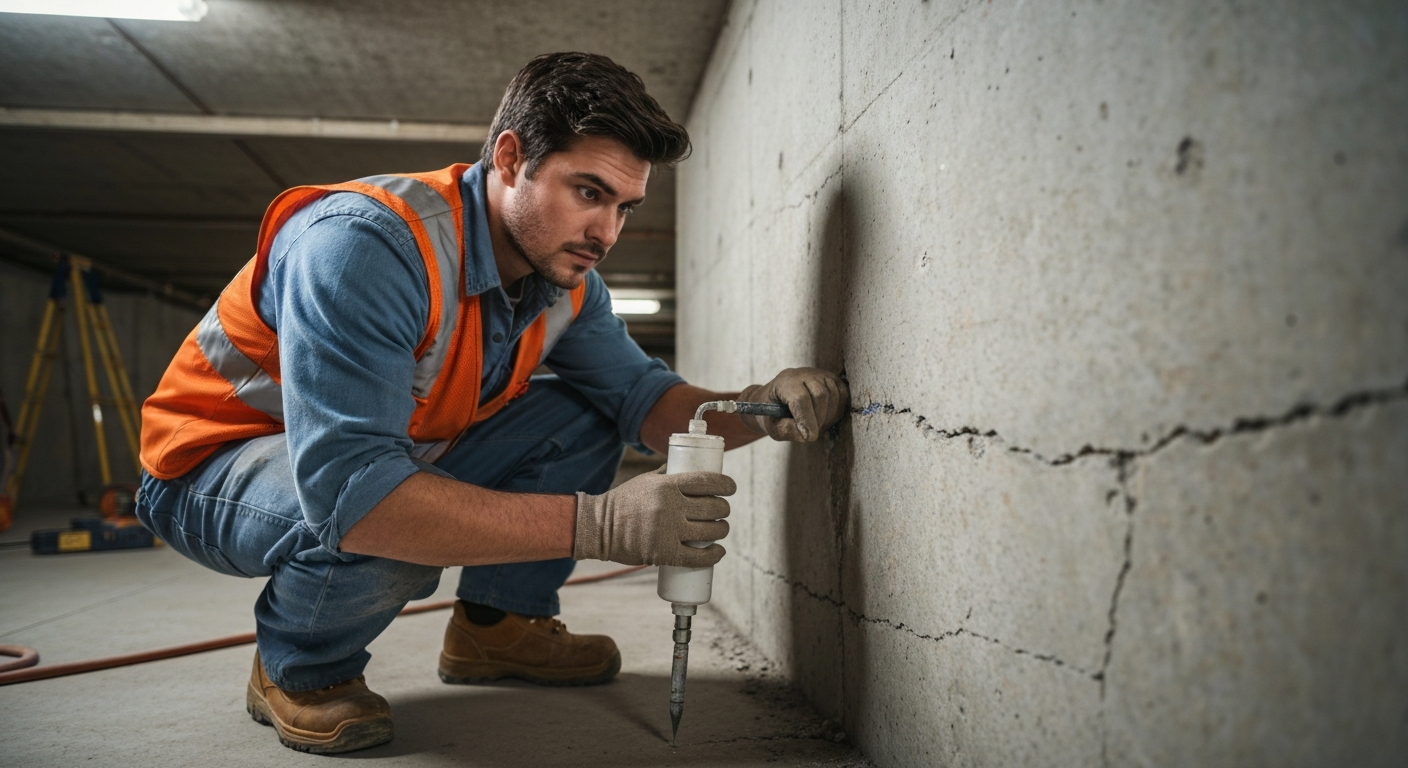
Basement waterproofing options and costs in Langley
Langley homeowners usually start waterproofing decisions with one question: where is the water coming from, and how much of it is still pressing against your foundation? In Langley, a large portion of housing was built before 1981 (38.1% of homes), and older systems are more likely to have corroded or failed perimeter drainage (weeping tile) and outdated wall membranes that simply can’t keep up with today’s wet-season saturation. With 7,920 homeowner households in town (62.9% of households own), there’s steady demand for both exterior re-drainage and targeted interior retrofits.
In the Lower Mainland–Southwest, the climate is a major cost driver. Persistent, prolonged rainfall keeps backfill saturated for longer periods, so contractors often need more comprehensive drainage measures rather than “quick fixes.” Wet, mild winters also bring frequent freeze-thaw, which widens existing cracks and joint weaknesses—so repairs that might last in drier climates can fail sooner here if drainage isn’t addressed. Labour and logistics also influence pricing: excavation around landscaping, driveways, and tighter lots in areas like Walnut Grove and Willoughby often takes more time, and rocky sections can require mechanical breaking.
Below are the most common basement waterproofing methods in Langley, what each addresses, and typical price bands—use this as a comparison tool before you request itemised quotes and confirm site conditions with a contractor.
| Method |
What It Addresses |
Disruption Level |
Durability |
Price Range |
| Exterior excavation + new membrane + drainage tile |
Primary water entry control by rebuilding the perimeter drainage and waterproofing layer |
High (yard/sidewalk/deck access disruption; excavation and regrade) |
High (source control when done with proper drainage capacity and sealing) |
$15,000–$30,000 |
| Interior perimeter drain channel + sump pit |
Intercepts seepage after water enters; reduces hydrostatic pressure at the floor/wall interface |
Medium (interior cutting, limited demo near perimeter) |
Medium to high (depends on wall condition and sump reliability) |
$8,000–$18,000 |
| Foundation crack injection (epoxy or polyurethane) |
Seals non-moving/hairline cracks or actively leaking pathways through controlled injection |
Low to medium (drilling holes, surface patching) |
Medium to high (best paired with drainage; polyurethane helps with active leaks) |
$500–$2,000 |
| Sump pump installation (primary + battery backup) |
Manages collected groundwater and keeps the sump effective during wet periods and outages |
Medium (pit/sump integration; some interior cutting and discharge plumbing) |
High with backup (reduces risk during spring storms and power loss) |
$1,000–$5,000 |
| Window well drain installation |
Controls rain-driven water around basement egress points where seepage is common |
Low to medium (small exterior/yard work around window wells) |
Medium (good when grading and clear discharge are maintained) |
$1,200–$4,000 |
| Lot re-grading / downspout extension |
Redirects roof runoff and helps prevent ponding against foundation walls |
Low (minor landscaping disturbance; usually quicker) |
Low to medium (helps a lot if water is mostly “surface” runoff) |
$1,000–$3,500 |
Prices are estimates only and vary by project scope, site access and material selection.
What affects the price of waterproofing in Langley
In Langley and across the Lower Mainland–Southwest, it’s common to see waterproofing quotes for the “same” basement issue vary by 30–50%. The reason is that contractors price for site risk: how much water is under hydrostatic pressure, how the foundation is built, and how difficult it will be to access and excavate around your home. Compared with the national average, three local variables separate this region’s costs—soil conditions/water saturation, groundwater behaviour, and freeze-thaw—because they change both how water travels and how long repairs must last.
First, soil and drainage. Lower Mainland soils typically create problems through persistent saturation and drainage challenges, whereas clay-heavy soils in other provinces can add expansion pressures during freeze-thaw. In Langley, even when soils aren’t the same as Ontario clay, the result can be similar: water keeps sitting near the foundation longer, and freeze-thaw widens existing cracks. Second, water table and hydrostatic pressure. When groundwater stays high, sump pumps run more and interior systems need larger or better-managed drainage capacity. Third, freeze-thaw. In BC’s wet, mild winters, cracks and joints can open and close repeatedly, accelerating deterioration of sealants and allowing new seepage paths to form.
Two practical examples from common Langley scenarios: (1) older homes built before 1981 often have failing weeping tile—if that original drainage can’t keep up, a straightforward interior-only approach may still require a more complete interior drainage and sump plan, pushing projects toward the $8,000–$18,000 band. (2) homes in areas with tight side yards or mature landscaping may force more mechanical breaking and longer excavation time, which is why full exterior work often lands at the higher end of the $15,000–$30,000 range.
Because homeowners in Langley frequently choose between “source control” and “symptom management,” scope clarity is everything—what’s found during the camera inspection or excavation typically determines the final price.
| Price Factor |
Why It Matters |
Cost Impact |
| Interior vs. exterior approach — interior is less disruptive but addresses symptoms |
Interior drainage manages seepage after entry; exterior addresses entry/source and hydrostatic pressure at the wall |
Interior can be $8,000–$18,000; exterior often $15,000–$30,000 depending on access |
| Foundation type — poured concrete vs. block vs. stone vs. ICF |
Block and older walls often need more detailed crack mapping and complementary drainage; ICF can differ in crack behaviour |
Block/older walls frequently increase labour for drainage detail and patching |
| Soil type — clay expands more than sand, adding pressure |
Expansive soils (and saturated soils acting similarly under load) can worsen cracking pathways over time |
More active leakage pathways may require polyurethane injection and/or interior drainage upgrades |
| Crack type and length — hairline vs. structural horizontal cracks |
Hairline cracks may respond to targeted injection; structural movement needs engineer-led work |
Structural repairs can shift costs beyond simple crack injection estimates |
| Sump pump backup system — battery or water-powered backup needed |
Heavy spring storms and outages can stop pumps, causing rapid water build-up |
Backup can add material and installation time; often increases total toward upper end of sump band |
| Access — landscaping, decks, or driveways must be removed for exterior |
Tight lots increase excavation time and restoration costs |
Can move projects toward the higher end of the $15,000–$30,000 exterior band |
| Weeping tile age — original tile (60+ years) may be completely failed |
Failing tile means groundwater isn’t being collected and discharged reliably |
Often increases scope to replacement drainage and improved sump capacity |
| Mould or efflorescence remediation required before sealing |
Moisture-related staining and salt deposits need proper cleaning and drying to avoid trapping contaminants |
Adds labour and sometimes additional drying time before sealing |
Permits & regulations in British Columbia
In British Columbia, foundation excavation, structural crack repair, and changes to lot drainage typically require a building permit. If you’re installing or modifying drainage that affects how water leaves the property, permits are commonly part of the process—especially where sump pump discharge ties into municipal systems. For sump pump installations that connect to storm or sanitary sewer, municipal approval is usually required before discharge plumbing is put in service.
For structural crack repair—such as horizontal cracks in block walls, major step cracks, or signs of movement—an assessment by a structural engineer is often required. This helps determine whether you can seal cracks, or whether underpinning or other structural work is necessary. If the contractor says “we’ll just inject it” but won’t discuss structural evaluation when cracking is severe, that’s a red flag.
To verify a contractor in Langley, check these items step-by-step:
- Confirm the contractor has the right licensing/registration for the work they’re offering (ask them to provide the licence details and trade category).
- Request a current certificate of insurance showing liability coverage; verify the name matches the legal business.
- Ask for WSIB/WCB coverage proof (or a clearance letter, where applicable) and confirm it’s current.
- If structural repairs are proposed, verify they have engineering support and can provide engineer letters/specifications when needed.
- Ask whether they pull permits themselves or coordinate with an owner/municipality process and get confirmation in writing.
Interior vs exterior waterproofing — what does Langley need?
Exterior waterproofing is the source-control option: full excavation, new membrane, new drainage tile, then backfill and regrading. It permanently addresses where water enters by giving groundwater a reliable path to discharge rather than allowing it to sit against foundation walls. It costs more and requires landscape disruption, but it’s often the right move when you have recurring seepage, failing perimeter drainage, or you want the most durable long-term solution.
Interior waterproofing, by contrast, manages water after it enters. Typical elements include a perimeter drain channel, sump pit, and sump pump (often with backup). This approach is less invasive and usually faster to install, which is why many Langley homeowners start here—especially when excavation access is tight in neighbourhood pockets like Walnut Grove or Willoughby. However, interior systems do not stop hydrostatic pressure on the exterior wall itself. That means the wall still needs to be in sound condition, and crack sealing (for example, with epoxy for dormant cracks or polyurethane for active leaks) often becomes part of a complete interior plan.
In Langley’s Lower Mainland–Southwest conditions, exterior systems typically perform best when original weeping tile has failed and rainfall keeps the backfill saturated. Poured concrete foundations often respond very well to crack injection and proper drainage, while older block foundations frequently benefit from interior drainage as a practical complement—especially when exterior access is limited. If you’re deciding between approaches, a concrete example helps: homeowners sometimes compare a mid-scope interior drainage plan (often in the $8,000–$18,000 band) against full exterior waterproofing that can reach $15,000–$30,000. The extra exterior cost is usually justified when water is constant, sump failure risk is high, or the property has extensive moisture history that interior systems would only partially mitigate.
Also consider sump pump backup. During wet spring periods, power interruptions can happen—backup keeps the system pumping when it matters most, reducing the risk of a quick water build-up.
| Method |
Best For |
Addresses Source? |
Disruption |
Lifespan |
Price Band |
| Full exterior excavation + membrane |
Ongoing seepage, failed perimeter drainage, frequent wet-season leaks |
Yes (primary entry control) |
High (excavation and landscaping/restoration) |
Long (when drainage is properly sized and sealed) |
$15,000–$30,000 |
| Interior French drain + sump system |
Seepage inside, limited exterior access, moisture that needs active management |
No (water is managed after entry) |
Medium (interior demo and plumbing) |
Medium to long (depends on sump capacity and maintenance) |
$8,000–$18,000 |
| Crack injection — epoxy (structural) |
Non-moving cracks and hairline pathways in sound concrete |
Partially (seals a pathway, not the full exterior source) |
Low (drilling and surface patching) |
Medium to long (works best when active water entry is controlled) |
$500–$2,000 |
| Crack injection — polyurethane (active leak) |
Active seepage/cracks with ongoing water pressure |
Partially (stops active flow through the crack) |
Low to medium (drilling and controlled injection) |
Medium to long (great when paired with drainage) |
$500–$2,000 |
| Interior drain channel only (no sump) |
Very minor seepage, intermittent moisture, or when a sump plan isn’t feasible |
No (relies on gravity/discharge conditions) |
Low to medium (localized interior cutting) |
Shorter (less resilient during heavy wet periods) |
$6,000–$12,000 |
| Re-grading + downspout extensions |
Surface runoff issues, ponding, and roof-water discharge problems |
No (addresses external water arrival, not subsurface pressure) |
Low (landscaping and drainage adjustments) |
Low to medium (depends on your foundation and soil saturation) |
$1,000–$3,500 |
How to choose a waterproofing contractor in Langley
Choosing the right waterproofing contractor in Langley is mostly about proof: can they plan for your specific water route, and are they properly insured to do the work? Start by verifying British Columbia licensing/registration for the scope they’re proposing, then confirm liability insurance is current and issued to the correct legal business. Next, check WSIB/WCB coverage—ask for documentation directly and confirm dates; if they can’t provide proof, pause the process.
Then get 2–3 itemised written quotes, not a single lump-sum number. A good quote breaks labour and materials by task—inspection/camera work if included, excavation or interior cutting, membrane/drainage products, sump pit and pump components, discharge piping, and restoration. Make sure the scope spells out exclusions (for example: what happens if they find unexpected rock, what is included for disposal, and whether permit pulling is included or billed separately).
Warranty matters in waterproofing because moisture problems can recur if water routes aren’t fully addressed. Ask for two separate warranties: a workmanship warranty length for installation and a manufacturer/product warranty for membranes, drains, and pumps. Also ask if the warranty is transferable to future owners—this can matter when you sell.
Payment schedule should protect you: never pay more than 10–15% upfront, and keep a holdback until substantial completion and cleanup are verified. Finally, demand a timeline with a start date and completion estimate in writing, including weather-sensitive staging for exterior work during wet-season conditions.
- Request the contractor’s licence/registration details for the exact scope (exterior excavation vs interior drainage vs crack injection).
- Verify liability insurance certificate (coverage amount, policy dates, and named insured).
- Confirm WSIB/WCB clearance or coverage documentation is current.
- Ask whether permits are required and whether they handle permit pulling/municipal approvals for sump discharge.
- Get quotes itemised by labour, materials, and access/restoration scope.
- Confirm if site access constraints (driveway, deck, landscaping) are included in pricing.
- Require disposal and haul-away details for excavated soils/demolition debris.
- Ask for a moisture/water plan: how they determine the water entry path (inspection method, testing, or probing).
- Request product specs: membrane type, drainage board, drain pipe size, geotextile filter fabric, and sump pump model.
- Clarify sump pump discharge location and routing, including any ties to municipal lines.
- Review warranty terms in writing (workmanship duration, product warranty, and transferability).
- Set a payment schedule with a holdback until all critical steps are inspected and cleaned up.
Concrete red flags in Langley include: contractors who only offer interior work without evaluating exterior drainage options; “one-size-fits-all” crack injection promises without mapping crack type and movement; quotes that omit sump pump discharge routing and backup considerations; missing insurance/coverage documentation; and warranties that cover materials but not workmanship installation.
Frequently asked questions — waterproofing in Langley
Can I waterproof my basement in winter in Langley?
Yes, basement waterproofing can often be done in winter in Langley, but the approach may differ depending on whether you’re doing exterior excavation or interior drainage. Interior perimeter drainage and sump pump installation are commonly feasible because they rely on cutting and plumbing inside rather than open excavation in saturated ground. For exterior work, cold snaps and wet ground can slow excavation and affect membrane/adhesive curing and backfill compaction, so many contractors schedule exterior phases when conditions allow. Even then, Langley’s wet-season rainfall and freeze-thaw cycles mean active leakage can be present; that’s exactly when polyurethane crack injection is sometimes chosen for actively leaking pathways. If your scope is moving water away from the basement (interior drain channel + sump), a typical interior band can start around $8,000–$18,000, but final pricing depends on how much demo, drying, and drainage tie-in is required. (Statistics Canada, 2021 Census)
What is the difference between waterproofing and damp-proofing?
In plain terms, waterproofing is designed to control active water entry and manage hydrostatic pressure and seepage so the foundation stays dry enough for long-term comfort and building health. Damp-proofing is a lower level of protection—often a coating intended to resist minor moisture and humidity, not sustained water pressure from high groundwater. In Langley’s Lower Mainland–Southwest conditions—especially with prolonged rainfall saturating backfill and freeze-thaw widening joints—damp-proofing alone can fail because it doesn’t reliably handle the volume and pressure of water reaching foundation walls. That’s why interior drainage systems (weeping tile replacement or perimeter drain channels plus a sump) are frequently paired with crack sealing, rather than relying on coating alone. If you’re being quoted only for “damp-proof paint,” ask how they verified groundwater behaviour and what happens when water pressure is high. For serious seepage, interior waterproofing commonly falls in the $8,000–$18,000 band, while full exterior source control can be $15,000–$30,000 depending on access.
Will basement waterproofing affect my property value in Langley?
It can, especially when you reduce moisture damage risks and provide documentation of the work. In Langley, where a notable share of homes are older (38.1% built before 1981) and moisture issues can become a long-term maintenance liability, buyers often view proven waterproofing—particularly solutions with proper drainage and sump reliability—as a confidence booster. Waterproofing typically helps protect finished basements, flooring, and insulation from repeating wetting and mould risk, which can otherwise lower resale appeal and complicate inspections. That said, value impact depends on the system and how well it matches the water source. For example, an interior-only drain and sump may solve recurring seepage, but if groundwater pressure is severe and exterior drainage is failing, you might still face dampness or recurring odours. If you’re comparing options, homeowners sometimes justify exterior work (often $15,000–$30,000) when interior measures would be a partial fix. The strongest value signal is a documented system—photos, product specs, and a clear warranty—installed by a contractor with proper insurance and a workmanship warranty.
What drainage issues are most common in Langley homes?
The most common issues tend to fall into two buckets: (1) failed or undersized perimeter drainage (weeping tile), and (2) water arriving at the foundation due to grading and downspouts. In older Langley homes, original drainage systems may be corroded or completely ineffective after decades of wet-season saturation, which leads to seepage through poured concrete cracks or block wall joints. The Lower Mainland–Southwest climate also means that prolonged rainfall saturates backfill quickly, keeping hydrostatic pressure on the foundation for extended periods. Freeze-thaw then widens cracks, creating new pathways over time. On the surface-water side, poor downspout discharge, inadequate extensions, or areas where the grade funnels water toward the foundation can overload the system and add water that never reaches the soil drainage properly. If you’re hearing about a basement that gets worse during storms but improves briefly after dry spells, it often points to drainage route failure rather than a single “bad crack.” Costs then typically align with interior waterproofing ($8,000–$18,000) or, when access allows and the drainage source is confirmed, exterior work ($15,000–$30,000).
How do I choose a waterproofing contractor in Langley?
Start with verification and clarity. In Langley and across British Columbia, confirm the contractor’s licence/registration matches the scope (interior drainage, exterior excavation, crack injection) and ask for proof of liability insurance. You should also verify WSIB/WCB coverage or a clearance letter—don’t accept verbal statements. Next, compare apples to apples: request 2–3 itemised written quotes with labour and materials breakdowns, and ensure the scope explains exclusions and what’s included for disposal, restoration, and any permit/municipal coordination for sump discharge. Waterproofing quotes should describe how they’ll identify water entry routes (inspection methods and how they assess drainage capacity). Ask about warranties separately: workmanship coverage length, product/manufacturer warranty, and whether warranties are transferable. Payment matters too—never pay more than 10–15% upfront and use holdback until key steps are complete. If a contractor can’t produce documentation or won’t discuss sump backup and discharge routing, that’s a warning sign. For planning, many basement moisture projects in Langley land in the $8,000–$18,000 interior range or $15,000–$30,000 for full exterior source control depending on site access.
What is a battery backup sump pump and do I need one in Langley?
A battery backup sump pump is an additional pump system that activates when the power goes out, allowing water to continue discharging from the sump pit during outages. In Langley, you should consider backup because basement flooding risk rises quickly when pumps stop—especially during wet spring periods when groundwater and rainfall are higher. Even if your area doesn’t have frequent storms, the consequence of a pump outage can be significant if hydrostatic pressure is building. A battery backup typically adds cost within the sump pump installation band—often bringing the project toward the higher end of the $1,000–$5,000 range depending on setup and discharge routing. Whether you “need” it depends on your basement history (how fast water builds during storms), sump size, and where the discharge goes. For homes with recurring wet-season seepage and active sump operation, backup is usually a practical safety layer. For very slow, intermittent seepage, you might manage without it, but you should still discuss outage risk as part of the quote scope.