Basement waterproofing options and costs in Taylor
Taylor, British Columbia has a small-town housing stock, with many homes relying on older damp-proofing and weeping-tile approaches that were never designed for today’s freeze–thaw intensity and water-table behaviour. With 28.4% of homes built before 1981, you’ll commonly see foundations that have lived through decades of widening joints, clogged drainage, and corrosion of original components. In a community of 1,317 people (Statistics Canada, 2021 Census), service availability can also affect pricing—less competition during peak spring leak season can push excavation and labour rates toward the upper end of the regional bands.
In Northeast BC’s Peace region, waterproofing costs are driven less by “the basement’s size” and more by what’s happening outside the foundation: glacial tills and silty/clay pockets can hold water against the wall, while high water episodes in low spots increase hydrostatic pressure. That pressure doesn’t pause for the contractor’s schedule—freeze–thaw cycles widen existing cracks and joints, turning damp corners into active seepage over a few seasons. Around areas near the core of Taylor, where grading and landscaping are often tight to the foundation, exterior excavation is frequently in higher demand because downspouts discharge close to footings and original drainage paths have shifted.
The options below show typical scopes homeowners compare in Taylor—then you can decide which direction best matches your foundation condition, budget, and tolerance for excavation disruption.
| Method |
What It Addresses |
Disruption Level |
Durability |
Price Range |
| Exterior excavation + new membrane + drainage tile |
Water entry at the foundation wall; restores full perimeter drainage and stops hydrostatic pressure where the membrane system is installed correctly |
High (re-excavation, landscaping removal, backfill) |
High (best long-term results when access and drainage outlets are correct) |
$9,000–$20,000 |
| Interior perimeter drain channel + sump pit |
Water after it enters; captures seepage and relieves basement floor and wall moisture |
Medium (floor cut for drain, sump pit) |
Medium to high (depends on pump reliability, discharge routing, and maintenance) |
$4,000–$12,000 |
| Foundation crack injection (epoxy or polyurethane) |
Cracks and joints; epoxy for structural stabilization, polyurethane for active leaks |
Low (minimal demolition, localized drilling) |
Medium (can be excellent for the right crack type; not a substitute for failed exterior drainage) |
$400–$1,200 |
| Sump pump installation (primary + battery backup) |
Operational control of collected water; reduces flood risk during heavy inflow and power loss |
Low to medium (pit and discharge lines) |
Medium to high (backup matters where spring power outages occur) |
$900–$3,000 |
| Window well drain installation |
Localized seepage at egress points; drains water away from window wells and sill lines |
Low to medium (excavation and grade adjustments around openings) |
Medium (good where the issue is clearly localized and outlets drain properly) |
$1,200–$2,800 |
| Lot re-grading / downspout extension |
Surface water management; reduces the amount of water hitting the foundation perimeter |
Low (grading, small drainage/pipe work) |
Low to medium (helps prevent recurrence, but won’t fix wall-level hydrostatic pressure) |
$2,000–$6,500 |
Prices are estimates only and vary by project scope, site access and material selection.
What affects the price of waterproofing in Taylor
In Taylor and the wider Northeast BC Peace region, it’s common to see quotes for “the same basement” vary by 30–50% once you look past the headline issue. Contractors price around what they must excavate, how deep they need to go, what drainage route exists on your lot, and how much cold-weather work (and time) is required to complete concrete and tie-ins. When comparisons are done properly, the biggest differences usually trace back to three drivers: soil type, water table behaviour, and freeze–thaw.
First, soil type: clay-heavy pockets found in glacial tills can expand when saturated, pressing laterally on foundation walls and worsening cracks over time. That can push a job from simple crack injection into a full interior drainage system—or, in worse cases, exterior membrane work. Second, water table and hydrostatic pressure: in low-lying or poorly graded sites, water can sit against the foundation and overload older weeping tile, meaning sump pump run times rise and the drainage design must be bigger and more reliable. Third, freeze–thaw: continental cycles widen existing joints and move water behind membranes or through compromised seals, which increases prep and repair time.
Concrete examples homeowners in Taylor run into: if your weeping tile is already collapsed, the contractor often has to excavate deeper to reach a workable outlet—exterior systems typically land near $9,000–$20,000. If leakage is mostly localized to one wall and the crack type is clearly suited for injection, crack repair can be far less expensive—often in the $400–$1,200 range for crack injection—provided exterior grading isn’t sending ongoing water at the footing. Finally, homes built before 1981 (28.4% locally) frequently combine older poured-concrete or block walls with aging drainage, which increases labour for cleaning, efflorescence control, and proper detailing before sealing.
| Price Factor |
Why It Matters |
Cost Impact |
| Interior vs. exterior approach |
Interior systems manage water after entry; exterior systems stop water at the wall and require more excavation |
Can swing cost by 2× or more in Taylor depending on access and drainage outlets |
| Foundation type |
Poured concrete, block, stone, and ICF behave differently under hydrostatic pressure and crack repair |
Block walls often need interior drainage as a complement; exterior work may still be required |
| Soil type |
Clay expands more than sand, increasing lateral pressure during freeze–thaw and saturation |
More detailed drainage design and membrane protection often increases labour/material costs |
| Crack type and length |
Hairline seepage cracks can be treated differently than structural horizontal cracks |
Structural cracks may require engineering review and potentially underpinning beyond basic waterproofing |
| Sump pump backup system |
Battery or backup protects against overflow during power disruptions |
Typically adds meaningful equipment cost but can prevent expensive basement damage |
| Access |
Decks, driveways, tight side yards, and landscaping affect excavation depth and time |
Removal and reinstatement can raise the price notably for exterior work |
| Weeping tile age |
Original tile (often decades old) may be fully failed, forcing replacement or abandonment of old pathways |
Replacement/excavation increases scope and schedule risk |
| Mould or efflorescence remediation required |
Sealing over contaminated or salt-stained surfaces can reduce adhesion and reactivity |
Requires extra prep, cleaning, and sometimes localized treatments before membrane/drainage ties-in |
Permits & regulations in British Columbia
In British Columbia, foundation excavation, structural crack repair, and changes to lot drainage commonly require a building permit. Sump pump installations that connect discharge to the storm or sanitary sewer usually require municipal approval. For structural crack repair—especially horizontal cracks in block walls, major step cracks, or cases where there’s concern about movement—a structural engineer’s assessment is often required to confirm whether underpinning, reinforcement, or other structural measures are needed.
For a homeowner in Taylor, the practical step is to verify that your waterproofing contractor is working within those requirements. Start by requesting the contractor’s permit responsibilities in writing: what they will pull (if anything), what you must apply for, and how discharge routing will be handled for approval. Then verify contractor qualifications before signing.
How to check licence, insurance and WSIB/WCB: (1) Search the provincial licensing/credential information using the trade name or company name to confirm they’re properly authorized for the scope. (2) Ask for a current certificate of insurance (liability) and confirm the start/end dates and that the coverage limits make sense for excavation and concrete work. (3) Request evidence of workers’ compensation coverage (WSIB/WCB) and ensure it’s active for the specific company performing the job. For structural repairs, ask if they have documented engineering support and whether the engineer’s role is included in the proposal.
If the quote is silent on permits and discharge, that’s a red flag—ask questions before work begins.
Interior vs exterior waterproofing — what does Taylor need?
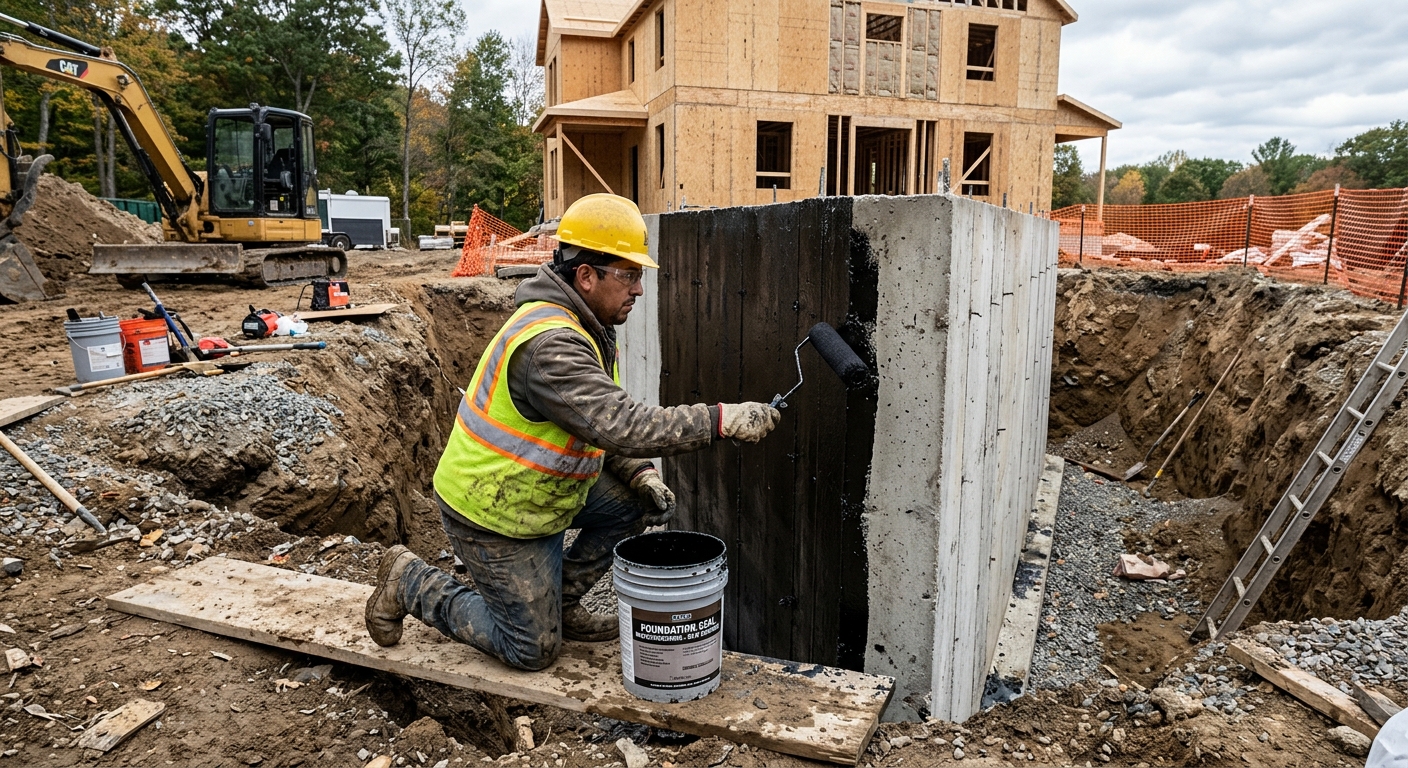
The fundamental difference is where the water is managed. Exterior waterproofing (full excavation, membrane installation, new drainage tile, then backfill) targets the source—water entry through the foundation wall—so it reduces or eliminates the hydrostatic pressure pushing toward the basement. It’s more expensive and disruptive because it requires digging down beside the foundation, installing the system correctly, and restoring the yard. Interior waterproofing (a perimeter drain channel, sump pit, and a sump pump) focuses on what happens after water enters: it captures seepage and moves it away, typically without stopping the wall from being under pressure.
In Taylor’s Northeast BC climate, freeze–thaw is a major reason interior-only solutions sometimes underperform when the exterior system has already failed. When clay pockets hold water against the wall, interior drains can still work, but they must be designed for the volume of water and backed by reliable pump systems. That’s why sump pump backup matters—spring seasons can bring heavy melt events, and even short power interruptions can turn a manageable leak into a cleanup job.
Foundation type also guides the choice. Poured concrete walls often respond well to crack injection combined with proper drainage, especially for defined seepage cracks. Block foundations are more porous at joints and transitions; interior drainage is often the practical complement because water paths concentrate at mortar joints even after localized repairs. For example, if you can clearly identify a limited crack and confirm surface grading/downspout discharge is not overwhelming the footing, crack injection can be economical (commonly around $400–$1,200)—but if the weeping tile is failed or the basement wall shows widespread dampness, the justified spend often moves toward interior drainage in the $4,000–$12,000 range, or exterior systems if the water source needs to be stopped.
| Method |
Best For |
Addresses Source? |
Disruption |
Lifespan |
Price Band |
| Full exterior excavation + membrane |
Widespread seepage, failing exterior drainage, persistent hydrostatic pressure, older weeping tile replacement |
Yes |
High |
High (when outlets and detailing are correct) |
$9,000–$20,000 |
| Interior French drain + sump system |
Basement leakage after entry; blocked/collapsed exterior drainage; practical option when excavation access is limited |
No (manages after entry) |
Medium |
Medium to high with proper pump design and maintenance |
$4,000–$12,000 |
| Crack injection — epoxy (structural) |
Stable cracks needing structural stabilization and low seepage |
Partially (seals crack path but doesn’t replace exterior drainage) |
Low |
Medium |
$400–$1,200 |
| Crack injection — polyurethane (active leak) |
Cracks with active seepage or water under pressure |
Partially (seals pathways; still depends on water source management) |
Low |
Medium (best when combined with drainage fixes) |
$400–$1,200 |
| Interior drain channel only (no sump) |
Light dampness, intermittent seepage, or when water can’t reliably be managed with a sump |
No |
Medium |
Lower than full sump setup in high water episodes |
$3,000–$8,000 |
| Re-grading + downspout extensions |
Surface-water-driven dampness; gutters discharging near the footing |
Yes for surface water (not for wall hydrostatic pressure) |
Low |
Low to medium (helps prevent recurrence) |
$2,000–$6,500 |
How to choose a waterproofing contractor in Taylor
Choosing a waterproofing contractor in Taylor starts with verification. In British Columbia, confirm the contractor’s ability to perform the work they’re proposing: ask for proof of current liability insurance, and request evidence they have active WSIB/WCB coverage for their workers. How to check: (1) look for a current certificate of insurance and verify the policy is active during your scheduled dates; (2) verify WSIB/WCB clearance/status documents are valid and issued for the company doing the job; and (3) confirm the contractor’s licence/registration credentials match the scope—especially if excavation, concrete repairs, or any structural-related crack work is included.
Next, don’t accept “lump sum only” proposals. Get 2–3 itemised written quotes that separate labour and materials: excavation/backfill, membrane/drainage components, pump and backup equipment, disposal, and interior drain/pit labour. Read exclusions carefully—ask whether a permit pull is included, whether discharge connection approvals are covered, and whether debris disposal is included or billed separately. For warranty, distinguish workmanship warranty length from manufacturer product warranty, and ask whether the workmanship warranty is transferable if you sell your home.
Finally, protect your cash flow and schedule: never pay more than 10–15% upfront, and keep a holdback until the job is complete and tested/inspected. Request a start date and completion timeline in writing so you can plan around early site-season conditions and any cold-weather concrete limits.
- Ask for a written scope that specifies wall locations, crack lengths, and how water will be collected and routed.
- Confirm whether they’ll CCTV/inspect existing drainage if applicable, or how they determine outlet functionality.
- Require a materials list (membrane type, drainage board, pipe size, check valve and pump model).
- Ask what happens if existing weeping tile is collapsed—does the price change automatically or by a written change order?
- Check that disposal and backfill materials are included (topsoil vs. granular backfill).
- Ensure interior demolition limits are defined (where floor cutting happens and how it’s restored).
- Clarify discharge routing (and who manages approvals if connecting to municipal services).
- Get proof of liability insurance and WSIB/WCB in writing before work starts.
- Verify warranty details: workmanship duration, exclusions, and whether it covers both interior and exterior components.
- Ask about testing: pump switch-on test, discharge flow verification, and water-migration checks after completion.
- Use itemised pricing so you can compare apples-to-apples across exterior vs interior options.
- Confirm payment schedule and retainage/holdback terms before signing.
In Taylor, red flags include quotes that (1) promise “100% waterproofing” without addressing site drainage/outlets, (2) skip mention of freeze–thaw and hydrostatic pressure in their explanation, (3) propose sump pumps without backup or without test/maintenance guidance, (4) provide non-itemised pricing that hides what’s excluded (disposal, permit/approval work, reinstatement), and (5) cannot provide current certificates for liability insurance and WSIB/WCB coverage.
Frequently asked questions — waterproofing in Taylor
How do I know if a foundation crack is serious?
In Taylor and across Northeast BC, “serious” usually means the crack isn’t just cosmetic—it’s connected to active water movement or ongoing movement. Look for signs like dampness or staining that appears after rain/snowmelt, water weeping from the crack, widening that’s noticeable between seasons, and cracks that run horizontally across block walls or show step patterns. Horizontal cracks can indicate block joint stress and may require an engineer’s assessment in British Columbia before you rely on injection alone. Also note efflorescence (white salts) or recurring mould along the same line. If the crack is accompanied by widespread basement dampness, you likely need drainage corrections beyond crack injection.
How much does foundation crack repair cost in Taylor?
In Taylor, foundation crack repair commonly falls in the $400–$1,200 range when it’s true crack injection on stable cracks and the scope is limited. Epoxy is usually chosen for structural stabilization, while polyurethane is used when there’s active leakage under pressure. The price can rise if there are multiple crack runs, if surface prep requires aggressive cleaning due to efflorescence, or if water is coming from more than one pathway (which can require interior drainage additions). Because 28.4% of local homes were built before 1981, it’s also common to find older joints that have shifted, increasing labour for drilling, sealing, and ensuring proper crack routing before injection.
Do I need a sump pump in Taylor?
You may need a sump pump in Taylor when water collects after it enters—especially during spring melt or after heavy rain—because the foundation and drainage system can become overwhelmed in low-lying or clay-prone areas. Interior perimeter drains often work best when paired with a sump pit, since the pump actively removes water and reduces the risk of seepage migrating into walls, floors, and mechanical areas. Where power interruptions are a concern, a backup system (battery) is typically recommended so the system can continue running during short outages. If you only have minor, intermittent dampness and the issue is mostly from surface runoff, re-grading or downspout extension may be sufficient—often cheaper than a full interior drainage setup.
How does Taylor's soil affect my foundation?
Taylor’s local soil profile in Northeast BC’s Peace region is often shaped by glacial tills and fine-grained pockets that can hold water against foundation walls. When those fine soils saturate, they can exert lateral pressure and worsen cracks, particularly through freeze–thaw cycles that widen joints and seals. That’s why older drainage systems may fail over time: weeping tile can clog or collapse, leaving water no longer able to escape the perimeter. If your yard grading directs downspout flow near the footing, the soil becomes even more saturated—turning damp corners into repeat leaks. In practical terms, clay-prone sites often require more robust drainage design, and interior drainage or exterior membrane work may be justified sooner.
Do I need a permit for foundation work in British Columbia?
In British Columbia, foundation-related work such as excavation around the foundation, structural crack repair, and changes to lot drainage commonly require a building permit. Sump pump installations that connect to storm or sanitary sewer systems generally need municipal approval. For crack repairs that may be structural—like horizontal cracks in block walls or step cracks—an engineer’s assessment is often required to determine whether additional structural work (including underpinning) is necessary. The best homeowner approach in Taylor is to ask your contractor what permits they will pull, what approvals are needed for discharge routing, and to request documentation in writing before work starts. Avoid signing if the scope is silent about permitting or discharge approvals.
How long does waterproofing last?
With correct scope selection, waterproofing can last many years, but “lifespan” depends on what actually failed first. Exterior excavation with a new membrane and drainage tile typically offers the longest protection because it addresses water entry where hydrostatic pressure originates. Interior perimeter drains and sump systems can also provide durable results, but their performance is tied to pump reliability, outlet routing, and how well the home is graded away from the foundation. In Taylor’s climate, freeze–thaw can reactivate issues if drainage outlets are restricted or backfill is disturbed—so maintenance matters. If your home has older foundations (28.4% built before 1981), planning for drainage upgrades earlier helps prevent recurring leaks.