Basement waterproofing options and costs in Beltline
Beltline homeowners typically start with one question—how do we stop basement seepage without turning the basement into a recurring maintenance project? With Beltline’s population of 25,880 (Statistics Canada, 2021 Census), there’s a steady supply of older mid-century foundations in the neighbourhood, and those are often the homes that need the most attention. In this area, it’s not unusual to find that original tar-and-paper systems have aged out, and weeping tile has corroded or become clogged. Freeze–thaw cycles in southern Alberta also widen existing cracks and joints, so a “small” leak in late fall can become an active flow path by spring melt.
Pricing and scheduling in Calgary’s core are shaped by excavation access and labour availability. Beltline lots are often tight, with patios, landscaping, fences, and mature drainage paths close to the foundation. On top of that, clay-and-clay-till soils can hold water and expand when saturated, which increases lateral pressure on basement walls and footings and makes full exterior work more labour-intensive. The trade is especially busy around the 17th Avenue SE / 4th Street SW corridor and near dense apartment-to-row transitions where excavation staging is complicated.
Because most failures are either at the water-entry plane (exterior membrane/drainage) or at collection/egress (weeping tile and sump), contractors usually recommend either a full exterior system or a well-designed interior retrofit. Use the comparison below to line up your symptoms with the right approach before you request itemised quotes.
| Method |
What It Addresses |
Disruption Level |
Durability |
Price Range |
| Exterior excavation + new membrane + drainage tile |
Source water control by stopping infiltration and rebuilding perimeter drainage |
High (full excavation; landscaping and hardscape removal) |
10–25 years with proper backfill, membrane detail, and discharge |
$9,500–$24,500 |
| Interior perimeter drain channel + sump pit |
Intercepts water after it enters; reduces hydrostatic pressure at the floor/wall joint |
Medium (floor/trim cuts; interior restoration) |
8–20 years depending on sump pump selection and discharge reliability |
$6,000–$14,500 |
| Foundation crack injection (epoxy or polyurethane) |
Seals cracks to stop seepage paths (epoxy for dry/structural cracks; polyurethane for active leaks) |
Low to Medium (minor interior access; surface prep) |
5–15 years (stronger results when crack cause is managed by drainage) |
$800–$2,200 |
| Sump pump installation (primary + battery backup) |
Improves water removal during spring storms and power interruptions |
Low to Medium (pit excavation and electrical work) |
10+ years with correct piping, check valves, and backup plan |
$1,200–$3,200 |
| Window well drain installation |
Controls bulk water entering at egress wells; reduces wall and floor wetting near windows |
Low to Medium (well excavation; drain tie-in) |
7–15 years |
$700–$1,900 |
| Lot re-grading / downspout extension |
Moves surface water away from the foundation to reduce water load at the wall |
Low (light excavation; grading) |
3–10 years (depends on ongoing maintenance and soil settling) |
$2,000–$6,500 |
Prices are estimates only and vary by project scope, site access and material selection.
What affects the price of waterproofing in Beltline
In Beltline, two homes with the “same” basement leak can receive quotes that differ by 30–50% across Calgary and the broader province because waterproofing is a site-specific rebuild, not a one-size product. Contractors adjust pricing for soil movement, where water actually enters, how much demolition is required, and whether the project needs a full perimeter drainage rebuild or a targeted fix.
The three biggest drivers that separate Beltline-area costs from a national average are soil type, water table conditions, and freeze–thaw. Calgary and surrounding communities sit on predominantly clay and clay‑till soils that hold water and expand when saturated, increasing lateral pressure on foundation walls and footings. That pressure can worsen cracks over time—so crack injection alone may be insufficient if drainage is failing. In low-lying pockets near river valleys and coulees, seasonal groundwater and storm events can increase hydrostatic pressure, which means higher-capacity sump systems or continuous perimeter drainage. Finally, freeze–thaw widens joints and cracks, so detail work around penetrations, joints, and backfill quality becomes more important, which adds labour and materials.
Concrete examples: if you have a poured concrete wall with stable, dry cracks, you may be able to stay in the $500–$1,800 crack repair band for sealing work—especially when paired with downspout extensions. If you instead have active weeping tile failure and saturated clay backfill, interior drain + sump systems often move into the mid-range (for example, $5,000–$15,000) because the scope includes floor work, pump discharge routing, and sometimes battery backup. Conversely, projects that require exterior excavation to correct perimeter drainage typically align with the higher end of exterior waterproofing ranges ($9,000–$25,000) because of tight access and heavy disposal volumes.
| Price Factor |
Why It Matters |
Cost Impact |
| Interior vs. exterior approach — interior is less disruptive but addresses symptoms |
Interior systems manage water after entry; exterior systems address the source and require excavation |
Interior often costs less short-term, but exterior can prevent repeat failures |
| Foundation type — poured concrete vs. block vs. stone vs. ICF |
Different wall materials crack and behave differently; block frequently benefits from interior drainage support |
Block and stone often increase diagnostic and drainage complexity |
| Soil type — clay expands more than sand, adding pressure |
Clay saturation increases hydrostatic and lateral wall stress during spring thaw |
More robust drainage details and pump sizing may be required |
| Crack type and length — hairline vs. structural horizontal cracks |
Active horizontal or stepped cracks can indicate movement and require more than surface sealing |
Structural crack repair typically increases materials, prep, and time |
| Sump pump backup system — battery or water-powered backup needed |
Spring storms and local outages make backup planning essential for safety and drying |
Backup adds electrical components and testing, raising the job minimum |
| Access — landscaping, decks, or driveways must be removed for exterior |
Excavation staging affects labour time, traffic control, and restoration scope |
Extra demolition/restoration can shift the project to the upper band |
| Weeping tile age — original tile (60+ years) may be completely failed |
Old tile often clogs from silt and roots, reducing collection capacity |
If replacement is required, scope changes from targeted to full perimeter drainage |
| Mould or efflorescence remediation required before sealing |
Sealers and membranes don’t bond well to contaminated, powdery, or wet surfaces |
Remediation extends timelines and adds containment and drying costs |
Permits & regulations in Alberta
In Alberta, waterproofing can involve regulated work depending on what you change. In general, foundation excavation and structural crack repair often require a building permit—especially when the work could affect load paths, involves major crack treatment, or includes any alteration that an inspector would consider part of structural remediation. Changes to lot drainage and any work intended to redirect water away from the foundation may also trigger permit requirements, particularly if it involves connections, grading at scale, or modifications that affect neighbouring drainage.
Sump pump installations that connect discharge lines to a storm or sanitary sewer require municipal approval before you connect. In practice, many homeowners assume “a drain line” is always straightforward—on the Beltline side, it’s not always the case because routing, daylighting location, and connection rules can vary by system layout. For structural crack repair (for example, horizontal cracks in block walls or major step cracks), an assessment by a structural engineer is commonly required to confirm whether underpinning or other structural work is needed.
Step-by-step verification you can do before signing: (1) ask for the contractor’s Alberta business licence/registration details (if applicable to the trade they’re performing), (2) request a certificate of liability insurance showing current coverage limits and the effective date, (3) obtain confirmation of WSIB/WCB coverage—some contractors provide a clearance letter—and (4) for structural work, confirm they have engineering support in their scope and will coordinate documentation. Do not rely on verbal assurances; ask for documents before mobilization.
Interior vs exterior waterproofing — what does Beltline need?
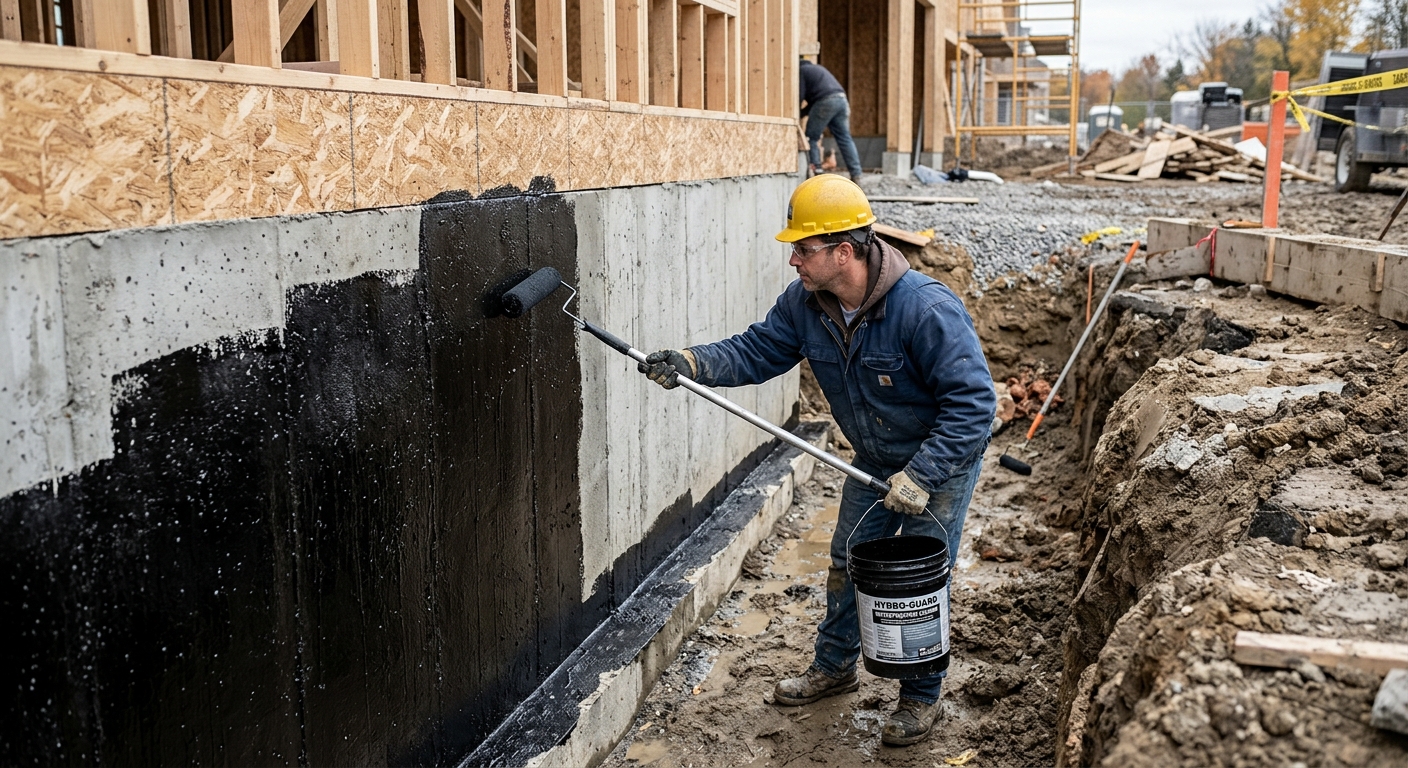
The fundamental difference is where you stop water. Exterior waterproofing (full excavation, membrane, new drainage tile, and properly designed backfill) addresses the source of water entry and can be the most complete long-term solution. It costs more and causes more landscape disruption, but it rebuilds the perimeter system that clay-and-clay-till soils struggle with during wet seasons and spring thaw.
Interior waterproofing (perimeter drain channel, sump pit, and sump pump) manages water after it enters. It’s typically less invasive and faster to execute, but it does not eliminate hydrostatic pressure against the wall—so if the exterior system has failed completely, interior systems may need stronger pump capacity and careful sump backup planning to handle Alberta’s spring runoff and occasional power interruptions.
For Beltline, this choice depends heavily on foundation type and the failure pattern. Poured concrete walls often seal well with crack injection when cracks are dry-to-slightly damp and when surface drainage is improved. By contrast, block foundations more often benefit from interior drainage as a practical complement, especially when joints have allowed moisture migration. In neighbourhoods with aged drainage infrastructure, interior systems combined with downspout extension and re-grading can reduce recurrence, but they’re still “managing water” rather than rebuilding the source barrier.
Dollar example: if your leak is localized along one corner and a crack repair program fits your crack type and condition, you might stay in the crack repair band of about $500–$1,800, especially if you also correct downspouts. If inspections show perimeter drainage collapse and saturated clay backfill, stepping up to a full exterior system is usually justified—even though it often lands closer to $9,000–$25,000—because you’re preventing re-entry at the wall line, not only pumping out collected water.
| Method |
Best For |
Addresses Source? |
Disruption |
Lifespan |
Price Band |
| Full exterior excavation + membrane |
Repeated seepage, high hydrostatic pressure pockets, failed perimeter drainage |
Yes |
High (excavation and landscape restoration) |
10–25 years |
$9,000–$25,000 |
| Interior French drain + sump system |
Clay-driven seepage, interior wetting at corners, limited exterior access |
No (manages after entry) |
Medium (floor work and interior finishing) |
8–20 years |
$5,000–$15,000 |
| Crack injection — epoxy (structural) |
Dry, stable cracks in poured concrete or structural cracks after drainage is addressed |
Partial (seals a path, not perimeter drainage) |
Low to Medium |
5–15 years |
$700–$1,800 |
| Crack injection — polyurethane (active leak) |
Active seepage through cracks where water is still finding a route |
Partial (seals the active leak path) |
Low to Medium |
5–12 years |
$800–$2,200 |
| Interior drain channel only (no sump) |
Minor dampness or early-stage seepage where water volumes are low |
No |
Medium (floor and plumbing tie-in) |
3–10 years |
$3,500–$7,500 |
| Re-grading + downspout extensions |
Surface water-driven wetness, oversaturated window well areas, minor foundation sweating |
Helps reduce entry load, but not a full waterproofing barrier |
Low |
3–10 years |
$2,000–$6,500 |
How to choose a waterproofing contractor in Beltline
Choosing the right contractor in Beltline is mostly about proof: proof they can design for clay soils and freeze–thaw, proof they can document the scope, and proof they’re insured for the work they do. Start by verifying Alberta coverage. Ask for a certificate of liability insurance and confirm the effective dates and coverage limits. For WSIB/WCB, request a clearance letter or written confirmation of coverage—then verify it matches the contractor’s legal name. If structural repairs are proposed, confirm they coordinate engineering support (or include it) rather than improvising.
Next, get 2–3 itemised written quotes. “Itemised” matters: you want a labour and material breakdown, not just a lump sum. The scope should clearly state what’s included and excluded—permit pull included or not, disposal included, pump model included, pipe routing, liner/membrane type, backfill spec, and restoration responsibilities. Ask where the discharge will go and whether municipal approval is required for that connection.
Warranty should be specific: workmanship warranty length (commonly several years), product/manufacturer warranty, and whether warranties are transferable to a future homeowner. Payment schedule should protect you: never pay more than 10–15% upfront, and use holdback until key milestones are complete and defects are corrected. Finally, insist on a written timeline with a start date and completion estimate; waterproofing timelines slip when access and excavation approvals are unclear.
- Request proof of liability insurance with coverage effective dates.
- Request WSIB/WCB clearance or confirmation under the correct legal entity name.
- Confirm whether a building permit is required for the proposed scope.
- Ask for a moisture/water-entry assessment method (hose testing, exterior observation, crack mapping).
- Get an itemised labour + materials quote (membrane/drain tile/pipe/pump listed by type).
- Clarify exclusions: are landscaping restoration and disposal included?
- Confirm sump pump model, discharge line type, check-valve inclusion, and backup plan.
- Ask who supplies and installs the backup system and how it’s tested.
- Verify warranty terms for both workmanship and products, including transferability.
- Ensure the contract specifies start date, duration estimate, and conditions that can extend timelines.
- Do not accept vague language like “we’ll waterproof it” without detailing methods and materials.
- Use a holdback and get a defect list process in writing for punch-list completion.
Red flags I see in Beltline: (1) contractors who dismiss sump backup as “not needed” despite spring runoff, (2) offers that rely on interior sealing only while ignoring failed weeping tile drainage, (3) no engineering discussion when horizontal/major step cracks are present, (4) quotes that don’t state disposal/restoration responsibilities for excavation, and (5) refusing to provide insurance/WSIB/WCB documentation or a written scope.
Frequently asked questions — waterproofing in Beltline
How long does basement waterproofing take in Beltline?
In Beltline, typical timelines depend on whether you’re doing exterior excavation or an interior retrofit. An interior perimeter drain and sump installation is often completed in about 3–7 working days on average, assuming access is clear and concrete cutting/drying isn’t delayed. Exterior waterproofing commonly takes longer—often 1–3 weeks—because excavation, membrane installation, drainage tile placement, backfill, and inspection hold points add time. Winter scheduling can extend the process because soils can be harder to excavate and drying conditions are less predictable. The contractor you choose should give you a start date, a completion estimate, and a list of conditions that can change the timeline.
What is a weeping tile and does my Beltline home have one?
Weeping tile (perimeter drain tile) is a buried drainage system installed around many foundations to collect groundwater and seepage and route it to a sump or discharge point. In older Beltline homes, it’s common to find original weeping tile that has clogged from silt, roots, or mineral build-up, or to find it disconnected or undersized for today’s drainage demands. There’s no “one answer” for every home, especially in mixed neighbourhood housing stock; the best way is an inspection plus checking existing interior sump pits (if present), exterior grading details, and—if needed—locating tile runs during repair planning. Your quote should explain whether the system will be repaired, replaced, or bypassed.
Can I waterproof my basement in winter in Beltline?
Yes, you can often waterproof a basement in winter in Alberta, but the work type matters. Interior work—like crack injection and interior drain channel/sump work—can be scheduled if access is workable and if the concrete cutting and drying steps meet product requirements. Exterior excavation is more challenging in freeze conditions because soil can be harder to remove and membrane detailing requires careful temperature and moisture control for adhesion. In practice, winter projects may shift some steps to the interior side or delay backfill-sensitive stages. If your goal is to stop active leaks, interior methods can still help; if your goal is full source control, many contractors plan exterior excavation for milder windows and stage interim measures first.
What is the difference between waterproofing and damp-proofing?
For Beltline homeowners, the key difference is performance under water pressure. Damp-proofing is intended for minor moisture control and typically relies on coatings or membranes that resist water vapour and light seepage. Full waterproofing is designed to resist bulk water movement and hydrostatic pressure—particularly important in clay-and-clay-till conditions that saturate and expand during spring thaw. That’s why a home with active wall seepage or recurring floor wetting often needs a drainage and collection system (weeping tile and/or an interior sump) rather than only a coating. If you’re quoting options, ensure the method matches the symptom: interior drains and sump pumps address collected water, while exterior membranes and perimeter drains address the water-entry point.
Will basement waterproofing affect my property value in Beltline?
It can, especially when the work solves a real, documented moisture problem. In Beltline, buyers are wary of recurring dampness, efflorescence, and musty odours because those issues often require ongoing repairs if not corrected at the source. A properly designed and permitted waterproofing system—including sump documentation, drainage improvements, and a clear warranty—tends to be a stronger selling point than cosmetic sealing alone. Even targeted crack repair (for example, in the $500–$1,800 range) can improve perceived livability if it’s part of a correct drainage plan. The biggest value boost usually comes when the scope reduces recurrence risk and provides transferable documentation, not when water management remains unchanged.
What drainage issues are most common in Beltline homes?
Common Beltline drainage issues often start with how water loads the foundation. On clay-heavy lots, saturated backfill and poor surface drainage can force water toward basement walls. Freeze–thaw then widens existing cracks and joints, and if weeping tile is clogged or undersized, seepage becomes more persistent. Many older homes experience localized wall leaks, efflorescence, and damp corners where interior perimeter drainage isn’t functioning well. If the basement has window wells, clogged well drains or missing egress well drainage can also drive recurring wetness after heavy spring rains. Finally, pump failure or lack of backup (especially during outages) can turn “slow seepage” into sudden flooding during peak melt periods.