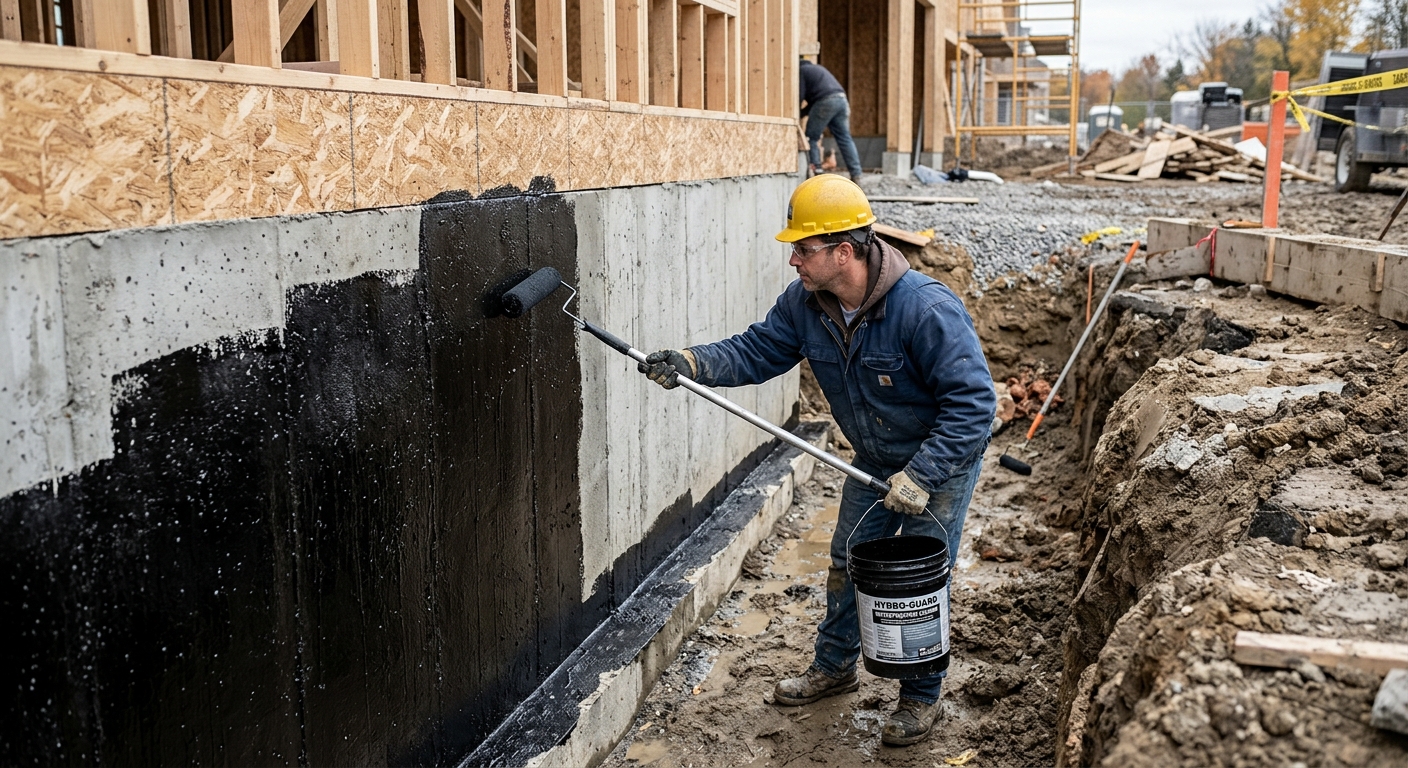
Basement waterproofing options and costs in James Bay
Basement waterproofing in James Bay typically comes down to choosing how aggressively you want to address water before it reaches your foundation—or how much you prefer to manage it after it seeps in. James Bay’s housing base is a mix of older stock and infill, and in many Lower Mainland–Southwest neighbourhoods, failed original waterproofing and aging drainage infrastructure are common. In a city with a population of 13,055 (Statistics Canada, 2021 Census), contractor schedules often reflect steady demand for interior retrofits plus exterior drainage where access allows. Older homes in the James Bay area are more likely to have long-in-service tar-and-paper-type systems, corroded weeping tile, and perimeter drains that can’t keep up with sustained coastal rainfall.
In the Lower Mainland–Southwest, soil conditions and water table levels are the primary cost drivers. Coastal BC’s intense, prolonged precipitation maintains hydrostatic pressure against basement walls and slabs, even when the home is relatively new. That pressure—combined with wet, mild winters and freeze-thaw—widen existing cracks and joints, increasing seepage and repair complexity. Labour and logistics also push pricing up in James Bay, especially when excavation involves breaking through rock or when tight lots require careful staging to protect landscaping, hardscaping, and adjacent access points. Trade demand is especially strong in the James Bay core where backyards are smaller and perimeter drain replacement is more frequently needed.
Below are the most common waterproofing paths and what they typically address, with realistic cost ranges to help you compare quotes before you move to a detailed scope review.
| Method |
What It Addresses |
Disruption Level |
Durability |
Price Range |
| Exterior excavation + new membrane + drainage tile |
Stops water entry by replacing the perimeter water barrier and re-establishing drainage and weeping tile flow to the sump |
High (yard excavation, possible mechanical breaking, re-grading and landscaping restoration) |
High (best long-term performance when properly installed with correct drainage and backfill) |
$15,000 – $30,000 |
| Interior perimeter drain channel + sump pit |
Collects water after it enters, reducing seepage through floors/walls and controlling hydrostatic pressure via pumping |
Medium (interior floor work, limited exterior disturbance) |
Medium to high (excellent when exterior drainage is failing, but it manages water rather than preventing entry) |
$8,000 – $18,000 |
| Foundation crack injection (epoxy or polyurethane) |
Seals cracks to prevent leakage; epoxy typically for structural crack filling, polyurethane for active leakage management |
Low to medium (localized drilling/patching; may include minor surface restoration) |
Medium (depends on crack movement and whether water pressure continues behind the wall) |
$500 – $2,000 |
| Sump pump installation (primary + battery backup) |
Maintains control when groundwater rises; backup reduces risk during power interruptions |
Low to medium (pit installation, discharge line routing, electrical work) |
Medium to high (reliable pumping strategy when paired with proper drainage) |
$1,000 – $5,000 |
| Window well drain installation |
Prevents groundwater and surface runoff from pooling near egress wells and entering window areas |
Low to medium (small excavation around window wells) |
Medium (depends on grading/drainage to keep wells functioning) |
$1,000 – $4,000 |
| Lot re-grading / downspout extension |
Reduces water at the foundation by directing roof runoff away and improving surface drainage |
Low (often minimal demolition) |
Low to medium (works best for surface water issues; not a substitute for failed perimeter drainage) |
$3,000 – $8,000 |
Prices are estimates only and vary by project scope, site access and material selection.
What affects the price of waterproofing in James Bay
In James Bay and across the Lower Mainland–Southwest, waterproofing quotes for the “same” symptom can swing by 30–50% because contractors price different risk levels: how much water is actually reaching the foundation, whether the perimeter drainage is failed, and how difficult excavation will be on a tight urban lot. When you compare Lower Mainland–Southwest work to other parts of British Columbia, the pricing gap is driven less by labour “mileage” and more by water table behaviour and site access—especially in coastal pockets where hydrostatic pressure stays consistent during prolonged rainfall.
Three drivers separate regional costs from the national average: soil type, water table and freeze‑thaw. Unlike clay-rich expansive soils in parts of Ontario and the Prairies, Lower Mainland soils often contribute through persistent saturation and drainage challenges rather than extreme swelling. Still, when backfill and native soils hold water, basement walls experience ongoing pressure. In high water-table conditions, sump pump run times increase and discharge routing becomes more critical. Freeze‑thaw then enlarges existing cracks, so crack injection alone may not last if the source of pressure isn’t addressed.
Concrete examples in James Bay include: (1) a poured-concrete wall with hairline vertical cracks may respond well to targeted injection, often keeping you near the $500 – $2,000 range for that portion of the work; (2) a block foundation with failed weeping tile frequently requires an interior perimeter drain plus sump—often in the $8,000 – $18,000 band because water is being intercepted; and (3) full exterior excavations can climb toward $15,000 – $30,000 when rock breaking, limited access, and careful restoration are required after mechanical trenching.
These differences are why one contractor’s “interior fix” can look cheaper up front, but still leave moisture pressure unaddressed—while a properly detailed exterior system can reduce repeat repairs.
| Price Factor |
Why It Matters |
Cost Impact |
| Interior vs. exterior approach — interior is less disruptive but addresses symptoms |
Interior systems manage water after it enters; exterior systems reduce water entry by restoring the perimeter barrier and drainage |
Interior often 30–70% less than full exterior, depending on the foundation and how badly drainage has failed |
| Foundation type — poured concrete vs. block vs. stone vs. ICF |
Crack behaviour and sealing methods differ; block foundations commonly require complementary drainage strategies |
Poured concrete may need fewer interventions; block/older masonry can push costs toward the upper end of bands |
| Soil type — clay expands more than sand, adding pressure |
Expansive clays can amplify lateral stress during freeze‑thaw; saturated soils still create long-duration hydrostatic pressure |
More movement and pressure can increase crack repairs and the need for a sump strategy |
| Crack type and length — hairline vs. structural horizontal cracks |
Structural movement cracks often need engineered assessment and broader repair, not just sealing |
Severe cracks can move the job from “injection” into “structural + drainage,” raising total price |
| Sump pump backup system — battery or water-powered backup needed |
Backup reduces risk when hydrostatic conditions coincide with power interruptions |
Usually adds several thousand dollars, but can prevent costly damage during spring wet periods |
| Access — landscaping, decks, or driveways must be removed for exterior |
Tight lots increase labour time and disposal/restoration requirements |
Exterior work can swing upward quickly when patios, fences, or rocky sections must be removed |
| Weeping tile age — original tile (60+ years) may be completely failed |
Old systems often clog or separate, failing to direct groundwater away |
Confirmed failure typically pushes scope toward replacement drains and/or interior interception |
| Mould or efflorescence remediation required before sealing |
Moisture contamination must be treated before barrier products or patching can perform reliably |
Adds time for controlled cleaning, drying, and proper surface prep |
Permits & regulations in British Columbia
In British Columbia, permits are commonly required for foundation excavation, structural crack repair where the work could affect load-bearing elements, and changes to lot drainage. While the exact permit trigger can vary by the scope and by the impact on grading and adjacent systems, homeowners should assume that adding or modifying drainage ties, altering discharge routes, or doing work that changes how water leaves the property will require municipal approval. For sump pump installations that connect to the storm or sanitary sewer, you should expect municipal review before any connection is made. For structural crack repair—particularly horizontal cracks in block walls or major step cracks—an engineer’s assessment is often recommended (and in many cases required) to confirm whether underpinning or other structural measures are necessary.
Step-by-step for James Bay homeowners: (1) Ask the contractor what permit(s) they will pull and for which exact scope items; don’t rely on “we’ll handle it” without itemised confirmation. (2) Verify the contractor’s business information and classification on the relevant BC online registry for their licence/registration status. (3) Request a current certificate of liability insurance showing adequate coverage for jobsite risk. (4) Confirm WSIB/WCB coverage with a clearance letter or documentation that matches the legal name on the quote and invoice. (5) For structural work, ask whether they include engineering support (and whether any engineer assessment is included or billed separately).
This verification protects you from downtime and scope changes when regulators or municipalities request documentation.
Interior vs exterior waterproofing — what does James Bay need?
For James Bay homeowners, the fundamental difference is simple: exterior waterproofing addresses the source of water entry, while interior waterproofing manages water after it arrives. Exterior work typically involves full excavation, installation of a proper waterproofing membrane, replacement drainage tile (weeping tile), and backfill with materials designed to encourage drainage away from the foundation. It’s more expensive and more disruptive because it requires trenching around the foundation perimeter and restoring the yard. Interior waterproofing—such as a perimeter drain channel, sump pit, and sump pump—intercepts seepage and reduces hydrostatic pressure inside the basement. It’s less invasive, but it doesn’t stop groundwater pressure from acting on the wall.
In the Lower Mainland–Southwest, saturated soils and high, persistent rainfall mean hydrostatic pressure can stay elevated for long stretches. That’s why poured-concrete foundations in particular often respond well to combined strategies: crack injection can seal monitored leakage paths, and an interior sump strategy can provide protection during peak moisture events. Block foundations, however, more often require interior drainage as a practical complement because joints and movement patterns can allow ongoing seepage even after surface sealing.
Because British Columbia power interruptions can happen during spring storms, sump pump backup systems matter. If you’re installing a sump anyway, adding battery backup (or a water-powered backup where appropriate) helps keep the system running during outages when groundwater pressure is highest.
Price-wise, it can be worth paying for exterior work when you confirm failed perimeter drainage and you have access for excavation. For example, if a full exterior system is priced near the $15,000 – $30,000 band, it may be justified when interior solutions would otherwise become a recurring maintenance pattern due to ongoing water entry. If the issue is limited to localized seepage or a single drainage point, an interior approach in the $8,000 – $18,000 range can be the more cost-effective choice—provided the root cause is confirmed.
| Method |
Best For |
Addresses Source? |
Disruption |
Lifespan |
Price Band |
| Full exterior excavation + membrane |
Widespread seepage from hydrostatic pressure where perimeter drainage has failed and excavation is practical |
Yes |
High (yard restoration and possible mechanical breaking) |
Long (often the most durable option when drainage is correctly re-established) |
$15,000 – $30,000 |
| Interior French drain + sump system |
Homes with failing weeping tile, limited excavation access, or repeated interior moisture |
No (manages water after entry) |
Medium (floor work and sump installation) |
Medium to long when paired with reliable pumping and proper discharge |
$8,000 – $18,000 |
| Crack injection — epoxy (structural) |
Non-moving structural cracks (or cracks judged to be stable) to stop seepage paths |
Partially (seals a pathway, but not the external hydrostatic source) |
Low to medium (surface prep and patching) |
Medium (best when crack movement is minimal) |
$500 – $1,500 |
| Crack injection — polyurethane (active leak) |
Active leaks where water is moving through cracks under pressure |
Partially (seals the leak pathway, still benefits from drainage control) |
Low to medium |
Medium (depends on ongoing pressure and crack dynamics) |
$800 – $2,000 |
| Interior drain channel only (no sump) |
Very localized seepage where gravity drainage can be relied upon |
No (still depends on how water is managed) |
Medium (interior trenching) |
Short to medium (riskier during prolonged saturation without pumping) |
$3,000 – $7,000 |
| Re-grading + downspout extensions |
Surface water management at the foundation when leaks correlate with roof runoff or pooling |
No |
Low |
Short to medium (depends on whether groundwater is the true source) |
$3,000 – $8,000 |
How to choose a waterproofing contractor in James Bay
Choosing the right contractor in James Bay starts with verifying credentials that match the risk of foundation and water-control work. First, confirm British Columbia licensing/registration for the contractor’s scope by using the BC online registry and comparing the legal company name to your contract documents. Next, request a certificate of liability insurance that shows adequate coverage for jobsite work (especially excavation and any electrical components tied to sump pumps). Then confirm WSIB/WCB coverage: ask for a clearance letter or current documentation and ensure it matches the same legal name on the quote.
For quotes, insist on 2–3 itemised written proposals rather than a single lump sum. A good quote breaks down labour and materials (membrane type, drainage components, pipe sizes, sump model, discharge routing, and restoration). Read exclusions line by line: whether permit pulls are included, whether excavation includes rock breaking, what disposal fees cover, and how landscaping restoration is handled. Check warranty terms too—workmanship warranty length matters, and product/manufacturer warranties should be provided clearly (including whether they’re transferable to future homeowners).
Payment scheduling should be conservative. For waterproofing and foundation work, never pay more than about 10–15% upfront, and use a holdback until key stages are complete. Finally, request a written timeline with a start date window and completion estimate, plus weather-related contingencies suited to coastal BC rainfall and freeze‑thaw.
- Confirm the contractor’s BC licence/registration online and match it to the quote name.
- Request current certificate of liability insurance and review effective dates.
- Provide WSIB/WCB clearance letter/documentation (not a verbal assurance).
- Ask for an itemised scope: membrane, drainage tile, sump pump model, backfill, discharge line.
- Verify whether permit pulling is included and which specific items require permits.
- Confirm excavation scope: rock breaking, haul/disposal, and what is counted as “restoration.”
- Ask how they test drainage performance (flow checks, sump run-time observations, discharge inspection).
- Require written warranty: workmanship duration + product warranty details.
- Ask if warranty is transferable and how claims are handled if you sell the home.
- Use a payment schedule with small deposits and retainage until work is inspected/complete.
- Ensure the quote includes monitoring/drying steps if mould or efflorescence is present.
- Get a start/completion window in writing, including weather contingencies.
Red flags I commonly see in James Bay include: quotes that omit disposal/restoration line items, “one-size-fits-all” recommendations without discussing water table pressure and drainage condition, refusal to provide insurance/WSIB/WCB documentation, vague warranty language (no workmanship term or product specifics), and missing clarity on permits—especially for discharge routing and structural crack repair. If you see more than one of these, slow down and request revisions to the scope.
Frequently asked questions — waterproofing in James Bay
How does James Bay's soil affect my foundation?
In James Bay and much of the Lower Mainland–Southwest, the issue is less about dramatic seasonal swelling (common in some clay-expansive regions) and more about persistent saturation. Coastal BC rainfall keeps soils near the foundation wet for long periods, so hydrostatic pressure can remain elevated against basement walls and slabs. When that pressure acts through cracks or weak joints, freeze‑thaw cycles during cool stretches can widen openings and accelerate deterioration. If your home is on older drainage infrastructure, the soil may appear “fine” during dry spells but become a consistent water source during prolonged wet weather. That’s why a properly detailed drainage plan often matters as much as sealing—especially when original weeping tile is older and likely to have partially failed (Statistics Canada, 2021 Census).
Do I need a permit for foundation work in British Columbia?
Often, yes—depending on what you’re changing. In British Columbia, foundation excavation, certain structural crack repairs, and changes to lot drainage typically require a building permit. Also, sump pump installations that connect to storm or sanitary sewer services generally need municipal approval before any tie-in. For James Bay homeowners, the practical approach is to ask your contractor to specify which scope items require permits and whether they will pull them. A reputable contractor will also coordinate engineering support when cracks suggest structural movement. Before signing, confirm they provide permit responsibility in writing, and verify your contractor is operating under the correct licensing/registration and has liability insurance and WSIB/WCB coverage for the work.
How long does waterproofing last?
It depends on which problem you’re solving. Interior waterproofing (perimeter drain channel and sump management) can perform well for many years, but it manages water after it enters, so ongoing pressure still exists outside the foundation. Exterior waterproofing generally lasts longer when it fully replaces perimeter drainage and installs the membrane correctly with proper drainage backfill—because it reduces water entry at the source. Crack injection can last a long time if the crack is stable, but in the Lower Mainland–Southwest, freeze‑thaw can keep cracks moving slightly, especially where drainage is failing. If a quote is only for crack injection and your weeping tile is failed, you may be looking at repeat moisture complaints. As a reference point, interior systems often fall in the $8,000 – $18,000 range and are best paired with reliable drainage and pumping strategies.
Can I waterproof my basement from the inside only?
Yes, inside-only waterproofing can work—particularly when exterior excavation isn’t feasible on a tight James Bay lot or when you’re targeting an active moisture problem quickly. Interior perimeter drains plus a sump pit help keep floors and lower walls drier by collecting seepage and reducing hydrostatic pressure. However, interior-only strategies do not stop the groundwater pressure against the foundation wall itself. In coastal BC conditions, that means interior systems must be paired with reliable pumping (and ideally backup) if you want consistent performance during prolonged rainy stretches. If your issue is primarily roof runoff or surface pooling, re-grading and downspout extensions may help, but that’s usually not enough when groundwater is the driver. For comparison, interior solutions often price around $8,000 – $18,000, while full exterior systems are typically much higher at $15,000 – $30,000.
What causes foundation cracks in James Bay?
In James Bay and the surrounding Lower Mainland–Southwest, foundation cracks are commonly driven by a combination of persistent moisture pressure and freeze‑thaw effects. When groundwater levels remain high, hydrostatic pressure can force water through joints and widen small defects in block or poured-concrete foundations. Cold nights during wet seasons contribute to freeze‑thaw, which expands and contracts moisture trapped in cracks and around joints. Over time, that can turn hairline cracks into seepage paths. If your original weeping tile is failing, the foundation can spend longer periods under pressure than newer systems might. Also, settlement differences (even minor) can create step or horizontal cracking, which may require engineer review rather than basic sealing. Your contractor should inspect crack pattern, entry points, and drainage performance before choosing injection or drainage.
How do I compare waterproofing quotes?
Comparing waterproofing quotes is mostly about apples-to-apples scope. Ask for itemised labour and materials, not just a lump sum, and verify what’s included: permit pull responsibility, disposal, mechanical breaking if rock is encountered, and restoration details (landscaping, grading, and downspout work). Make sure each quote clearly states the method and components—membrane type, drainage tile, sump pump model, discharge route, and whether backup power is included. In coastal BC conditions, ask how they plan to handle persistent wet weather and whether they’ll address underlying drainage failure rather than only sealing. You should also compare warranties: workmanship duration, product warranty terms, and whether warranties transfer to you or future owners. Finally, confirm the contractor’s BC coverage (liability insurance and WSIB/WCB) before you decide.