Basement waterproofing options and costs in Puntledge
Puntledge waterproofing decisions usually start with one simple question: is the water getting in from the exterior (hydrostatic pressure) or from interior pathways (condensation, failed joints, or a tired drainage system)? Puntledge’s small base of 1,387 people (Statistics Canada, 2021 Census) can make local crews easier to reach than in the core urban centres, but it also means scheduling depends on how many basement and drainage jobs are already booked in the surrounding Lower Mainland–Southwest area.
In practice, homeowners with older foundations often need more than a “quick fix.” In the Lower Mainland–Southwest, wet winters and prolonged groundwater pressure keep basement walls and slabs under stress, and that pressure finds weak points fast—especially where original tar-and-paper or early weeping tile has failed. Even when homes look intact, freeze-thaw can widen hairline cracks and joints, turning slow seepage into active dampness. Market demand is especially noticeable around the Puntledge River corridor, where yard grading and drainage details can be more challenging after heavy rain events.
Costs in Puntledge are also shaped by access constraints on tight lots and by the need for mechanical breaking during excavation. Because excavation and comprehensive drainage work sit at the higher end of the regional range, many owners compare exterior waterproofing first, then decide whether an interior system can realistically control moisture given their foundation type and water behaviour. Use the table below as a practical starting point for budgeting and scoping.
| Method |
What It Addresses |
Disruption Level |
Durability |
Price Range |
| Exterior excavation + new membrane + drainage tile |
Primary water entry from outside, hydrostatic pressure control, replaced weeping tile system |
High (excavation, landscaping restoration) |
Long-term when drainage and backfill are correctly engineered |
$15,000–$30,000 |
| Interior perimeter drain channel + sump pit |
Seeps and seepage channels after water penetrates; manages water to sump |
Medium (partial interior floor work) |
Very good if sump capacity and discharge routing are properly sized |
$8,000–$18,000 |
| Foundation crack injection (epoxy or polyurethane) |
Crack sealing (epoxy for non-active cracks; polyurethane for active leaks) |
Low to Medium (interior or localized exterior access) |
Good to excellent when water pressure is controlled and the right product is used |
$500–$2,000 |
| Sump pump installation (primary + battery backup) |
Reduces basement flooding risk during outages or heavy rain spikes |
Low to Medium (pit + discharge routing) |
High reliability when backup and discharge are correctly implemented |
$1,000–$5,000 |
| Window well drain installation |
Surface runoff and seepage around window wells; prevents pooling and damp walls |
Medium (excavation around wells) |
Moderate to high when weeping path is maintained and outlets are clear |
$1,500–$4,000 |
| Lot re-grading / downspout extension |
Moves roof and surface water away; reduces saturation behind foundations |
Low (typically yard work) |
Moderate (depends on grading permanence and drainage maintenance) |
$750–$3,500 |
Prices are estimates only and vary by project scope, site access and material selection.
What affects the price of waterproofing in Puntledge
In the Lower Mainland–Southwest, homeowners often see quote swings of 30–50% for the “same” waterproofing symptom because contractors price for risk: soil saturation, water-table behaviour, and how much demolition is needed to reach reliable drainage paths. Even within British Columbia, labour rates, excavation challenges, and the availability of specialized crews can shift totals. When you’re comparing bids, look past the line item name—compare the method, outlet/discharge plan, and how they address water pressure.
The three biggest separators from a national average are soil type, water table, and freeze-thaw. Coastal BC’s frequent rainfall maintains constant hydrostatic pressure against basement walls and slabs, so sump sizing and perimeter drainage detail matter. Freeze-thaw cycles keep cracks opening and allow more water ingress, which can increase both inspection time and prep work before sealing. Soil differences also change the labour intensity: clay-heavy soils (more common in parts of Ontario and the Prairies) can expand during freeze-thaw and push laterally, while Lower Mainland soils more often create cost through persistent saturation and drainage failures rather than extreme seasonal swelling.
In Puntledge specifically, a couple of real-world examples commonly raise cost: (1) original perimeter drain (weeping tile) that has failed for decades may require deeper, mechanical excavation and re-routing; (2) a poured-concrete basement with a known hairline vertical crack might be cheaper to treat with crack injection, while block foundations with multiple step cracks often need a complementary interior perimeter drain and sump system. As a result, an exterior approach is frequently budgeted in the $15,000–$30,000 band, while interior retrofits often land in the $8,000–$18,000 range—depending on how much water control is achievable from the inside.
| Price Factor |
Why It Matters |
Cost Impact |
| Interior vs. exterior approach — interior is less disruptive but addresses symptoms |
Exterior targets the source; interior manages water after entry and typically costs less upfront |
Interior often 30–60% less than full excavation, but may be insufficient for high hydrostatic pressure sites |
| Foundation type — poured concrete vs. block vs. stone vs. ICF |
Materials respond differently to cracking and injection, and affect drainage compatibility |
Block/stone with active moisture often increases labour and may shift you toward interior drains or exterior work |
| Soil type — clay expands more than sand, adding pressure |
Soil expansion and saturation can change the force pushing water through cracks and joints |
More expansive or saturated conditions typically raise prep work and sealing complexity |
| Crack type and length — hairline vs. structural horizontal cracks |
Horizontal or widening step cracks can indicate movement and require different repair strategies |
Structural evaluation and additional stabilization can increase totals beyond simple injection pricing |
| Sump pump backup system — battery or water-powered backup needed |
Prevents basement flooding during outages, especially in spring storm periods |
Backup can add meaningful cost but often prevents much larger damages |
| Access — landscaping, decks, or driveways must be removed for exterior |
Excavation depth and equipment access determine time, disposal, and restoration |
Tight lots can increase excavation and restoration costs quickly |
| Weeping tile age — original tile (60+ years) may be completely failed |
Failing tile means water bypasses the intended drainage path |
Often increases scope from “repair” to “replacement” of drainage networks |
| Mould or efflorescence remediation required before sealing |
Moisture-related contamination can prevent proper membrane bonding or coatings |
May add drying time, cleaning, and controlled remediation steps before waterproofing |
Permits & regulations in British Columbia
In British Columbia, many basement and foundation-related changes involve the need for a building permit, particularly when work affects the structure, excavation, or the way drainage is handled around a foundation. Foundation excavation and structural crack repair typically require a permit, especially when repairs could affect load paths or involve engineering direction. If you’re changing lot drainage (for example, adding or re-routing downspouts, adjusting surface flow, or altering discharge routes for a drainage system), check with the City/municipality on approval requirements before work begins.
Sump pump installations that connect to storm or sanitary sewer lines generally require municipal approval. For structural cracks—such as horizontal cracks in block walls or major step cracks—an engineer’s assessment is often required to confirm whether underpinning, stabilization, or additional structural measures are necessary.
Step-by-step, here’s how a Puntledge homeowner can verify a contractor in British Columbia: (1) Ask for their licence/registration information relevant to the work they’re doing; confirm details using the province’s online registry tools where applicable. (2) Request a current Certificate of Insurance showing general liability coverage (and ensure it matches the job address and dates). (3) Confirm WSIB/WCB status for worker coverage—obtain the clearance letter or proof document they provide. (4) For any structural scope, confirm they have engineering support (either in-house or via a partnered professional) and that they’ll obtain any required permits before starting intrusive work.
Interior vs exterior waterproofing — what does Puntledge need?
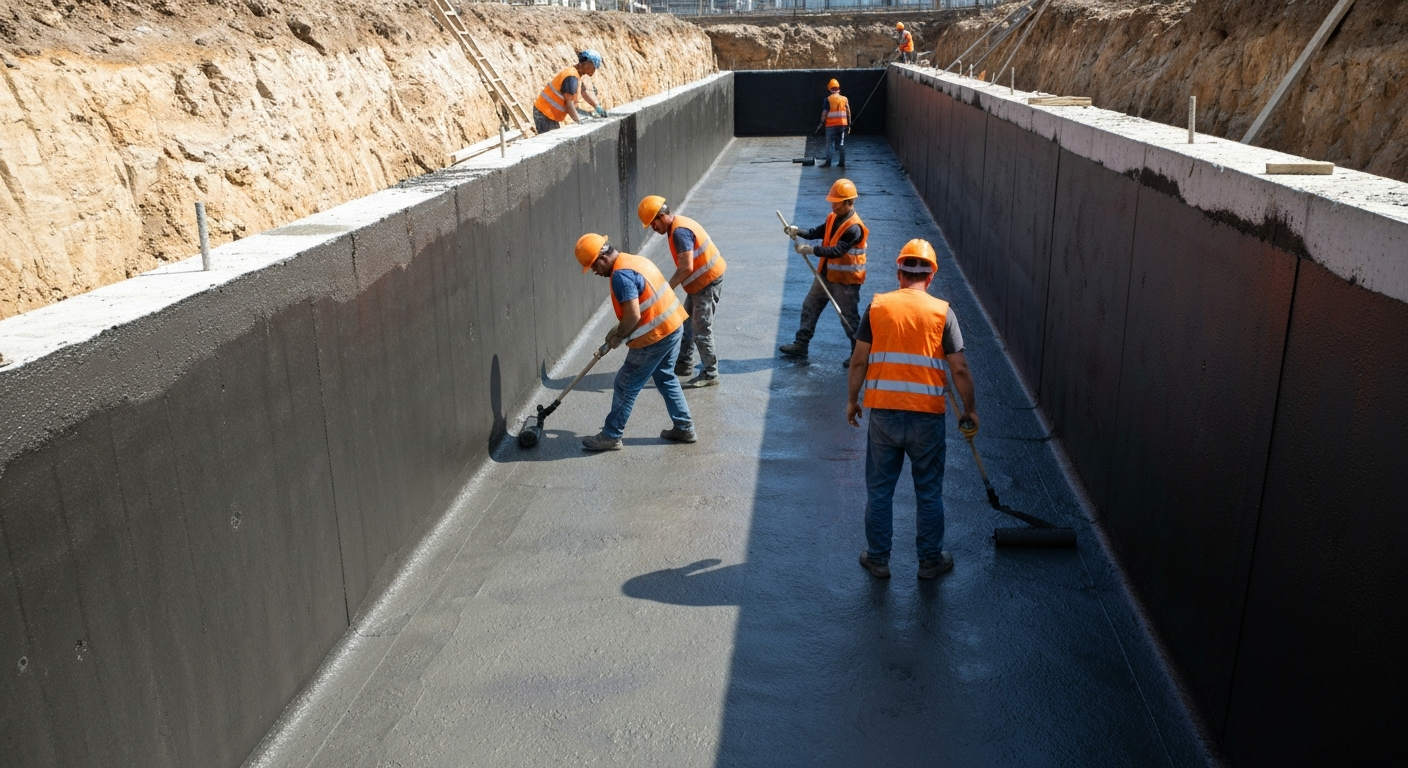
The fundamental difference is water-source control versus water-management. Exterior waterproofing—full excavation, new membrane, replacement drainage tile, and properly engineered backfill—targets the entry point and reduces hydrostatic pressure at the foundation. It’s the most permanent approach, but it is also the most disruptive because it typically requires mechanical excavation and significant landscape restoration. Interior waterproofing—perimeter drain channels, a sump pit, and sump pump systems—controls water after it enters. It can be less invasive and faster to execute, but it doesn’t stop water pressure from acting on the wall itself.
In Puntledge’s Lower Mainland–Southwest conditions, interior systems are often chosen when access for excavation is limited or when testing shows the exterior drainage path is uncertain but manageable from inside. Poured concrete walls generally respond well to targeted crack injection when cracks are not actively moving, and interior drainage can complement sealing by preventing recurring water flow. Block foundations, however, frequently need interior perimeter drainage as a practical complement because moisture can track through mortar joints and micro-voids, even when visible cracks look localized.
Because British Columbia spring storms and wet weather can cause prolonged high moisture loads, a sump pump backup system can be a wise addition. During outages, battery backups can keep the sump running long enough to prevent a small seep from becoming a flood.
For budgeting, consider a common decision point: a full exterior system may fall in the $15,000–$30,000 band, while a well-designed interior perimeter drain plus sump typically sits in the $8,000–$18,000 range. If your problem is mainly localized surface runoff and downspouts, re-grading may resolve it without full excavation; but if you have persistent groundwater pressure against multiple wall areas, choosing interior only may require additional work later to reach a stable moisture level.
| Method |
Best For |
Addresses Source? |
Disruption |
Lifespan |
Price Band |
| Full exterior excavation + membrane |
High hydrostatic pressure, widespread basement seepage, failed original drainage |
Yes |
High |
Long-term when drainage outlet and backfill are correctly engineered |
$15,000–$30,000 |
| Interior French drain + sump system |
Manage seepage from inside when exterior access is limited or as a practical retrofit |
Partly (manages water entry impact) |
Medium |
Very good with correctly sized sump, discharge, and backup options |
$8,000–$18,000 |
| Crack injection — epoxy (structural) |
Non-active or non-water-bearing cracks (no ongoing seepage) |
No (treats pathways, not pressure) |
Low to Medium |
Good when cracks are stable and water pressure is controlled |
$500–$2,000 |
| Crack injection — polyurethane (active leak) |
Active leaks or flowing seepage through cracks |
No (treats water pathways, not hydrostatic pressure) |
Low to Medium |
Good to excellent when paired with drainage control |
$900–$2,500 |
| Interior drain channel only (no sump) |
Minor seepage where gravity draining is feasible and water volumes are low |
No |
Medium |
Moderate; can be less reliable during sustained wet periods |
$6,000–$12,000 |
| Re-grading + downspout extensions |
Surface water and roof runoff driving moisture near foundation |
Yes for surface water pathways |
Low |
Moderate; depends on maintenance and erosion control |
$750–$3,500 |
How to choose a waterproofing contractor in Puntledge
Start by verifying the basics in British Columbia: (1) licensing/registration relevant to the work they’re performing—ask for their credentials and confirm through the province’s online registry tools where applicable; don’t accept verbal assurances. (2) liability insurance—request a Certificate of Insurance and confirm it’s current, active for the job dates, and lists the project address or owner name as appropriate. (3) WSIB/WCB coverage—ask for proof such as a clearance letter or current documentation, and ensure it covers workers who will be on your site.
Next, get 2–3 itemised written quotes. You want labour and materials broken out (excavation, membrane, drainage tile, sump pit liner, pump model, electrical/discharge components, and disposal/restoration). Avoid lump sums that don’t specify products, pump capacity, or where the discharge goes. Carefully read what’s excluded: is there allowance for removing concrete steps or ties back into existing landscaping? Is permit pulling included or excluded? Will they handle excavation spoil disposal?
Warranty matters. Ask for the workmanship warranty length, whether manufacturer product warranties apply, and if they’re transferable to future owners. Keep a conservative payment schedule—never pay more than 10–15% upfront, and hold a practical holdback until key milestones are completed and inspected. Request the start date and an estimated completion timeline in writing so wet-weather scheduling and drying time are accounted for.
- They inspect downspouts, grading, and discharge route before quoting exterior work.
- They test/diagnose the water path (sump pit evaluation, crack mapping, moisture source reasoning).
- Scope includes what happens if the original weeping tile is failed beyond repair.
- They specify the pump type, discharge plan, check valve strategy, and backup option.
- They provide exact product names (membrane system, injection type, drain components).
- They include restoration details (topsoil, sod/asphalt/sidewalk reinstatement if affected).
- They list disposal and trucking for excavation spoil and concrete removal.
- Permit responsibilities are written clearly (who pulls, who pays, timelines).
- They state how they prevent re-freeze damage during cold snaps (drying and scheduling approach).
- They include moisture verification or drying period before sealing (not “paint over damp”).
- They document photos of excavation, membrane coverage, and drainage connections.
- They explain warranty terms in plain language, including transferability.
Red flags in Puntledge include: quoting “interior only” without assessing whether exterior hydrostatic pressure is the real driver; offering epoxy injection for cracks without confirming whether they’re active; vague pump specs (no capacity, discharge route, or backup discussion); skipping insurance/WSIB/WCB proof during the quoting stage; and starting work without confirming permit requirements for excavation or structural scope.
Frequently asked questions — waterproofing in Puntledge
How do I know if a foundation crack is serious?
In Puntledge and across British Columbia, not every crack is an emergency, but pattern matters. A serious crack is one that changes—worsening over time, widening seasonally, or showing offsets/steps in block walls. Horizontal cracks (or cracks that track in a way consistent with settlement/movement) deserve prompt attention and often require a structural engineer assessment before you seal anything. Also take warning signs from your moisture behaviour: if the crack is actively wet during and after heavy rain, sealing alone may fail unless hydrostatic pressure is addressed with drainage. As a rule of thumb, hairline vertical cracks that stay dry may be suitable for targeted crack injection, typically in the $500–$2,000 band depending on length and access.
How much does foundation crack repair cost in Puntledge?
Foundation crack repair pricing in Puntledge depends mainly on whether the crack is active (water moving through) and how many linear metres need treatment. For non-active, stable cracks, epoxy injection is usually the lower-cost option, often starting around the $500–$2,000 range for typical residential scopes. If the crack is actively leaking, polyurethane injection is commonly used to stop flow, and costs can run higher due to prep and sealing process, plus any need for complementary interior drainage. If your contractor discovers broader moisture pathways (failed joints or a tired weeping tile system), crack repair may be priced separately from interior perimeter drain or sump work.
Do I need a sump pump in Puntledge?
You may need a sump pump in Puntledge if your basement experiences recurring seepage during prolonged rain or if the interior perimeter drainage needs active pumping to maintain dry conditions. In the Lower Mainland–Southwest, high groundwater and sustained saturation can keep hydrostatic pressure elevated for long stretches, so passive drainage alone sometimes can’t keep up. A sump pump is also a practical way to reduce risk during freeze-thaw cycles, because water managed continuously is less likely to refreeze in cracks and joints. Many homeowners budget in the $1,000–$5,000 range for sump installation, and if flooding risk is high, asking about battery backup is smart for spring storm periods and outages.
How does Puntledge's soil affect my foundation?
Puntledge foundations are influenced less by extreme seasonal swelling (compared with some clay-heavy regions elsewhere in Canada) and more by persistent saturation and drainage challenges typical of coastal BC. When backfill stays wet, hydrostatic pressure can remain against basement walls, increasing seepage through joints and cracks. Heavy rainfall saturates soils quickly when drainage paths fail, and freeze-thaw can widen existing openings—especially around mortar joints, slab edges, and penetrations. The practical result is that soil and water behaviour often drive the choice of system: exterior excavation and membrane replacement for true water-source control, or interior perimeter drainage plus a sump system for managing water after it enters.
Do I need a permit for foundation work in British Columbia?
Many foundation and waterproofing-related projects in British Columbia require a building permit—especially foundation excavation and structural crack repair. Sump pump installations can also require municipal approval when discharge connections tie into storm or sanitary sewer systems. If your work changes lot drainage or how water is directed away from the foundation, approvals may be required too. For structural cracks (for example, horizontal cracks in block walls or major step cracking), an engineer’s assessment is often expected to determine whether underpinning or structural measures are necessary. A good first step in Puntledge is to ask your contractor what permits they pull, then confirm their liability insurance and WSIB/WCB coverage before work starts, since permitted scope is often tied to that responsibility.
How long does waterproofing last?
“How long” depends on which part of the waterproofing system addresses the real water source. Exterior waterproofing—when membrane coverage is done correctly and drainage tile is replaced with reliable outlets—can provide long-term performance, especially in wet Lower Mainland conditions where constant moisture is the norm. Interior systems (perimeter drains, sump pits, and pumps) can also last many years, but performance depends on maintaining pump reliability, correct discharge routing, and keeping drain channels clear. Crack injection durability varies: epoxy works best for stable, non-active cracks, while polyurethane is intended for active leaks but may need complementary drainage if water pressure remains high. Expect the longest service life when the plan matches the cause, not just the symptom, and follow the recommended maintenance schedule after heavy rain seasons.