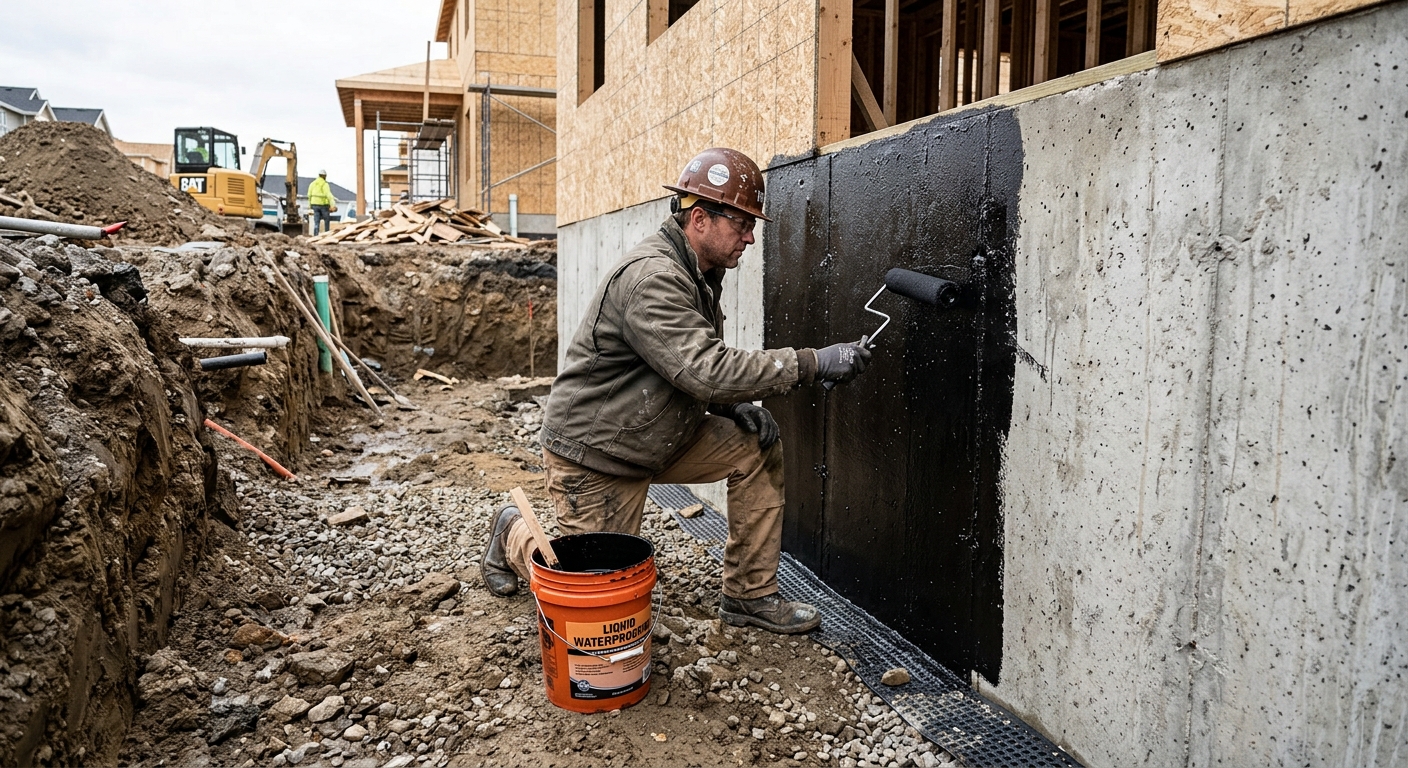
Basement waterproofing options and costs in Surrey City Centre
Surrey City Centre homeowners typically face waterproofing decisions shaped by Lower Mainland–Southwest wet conditions and consistently high moisture pressure on foundations. With a population of 33,520 in the area (Statistics Canada, 2021 Census), demand is steady, and many crews are scheduling work months ahead during spring wet-season demand. One reason costs can feel “all over the map” is that older basements are more likely to have aging drainage components—especially perimeter weeping tile and joints—so water finds the same weak points repeatedly. In this region, “failures” often show up as persistent seepage, damp floors, and recurring sump operation after heavy rains, not just single flooding events.
Lower Mainland–Southwest pricing is driven less by extreme soil expansion and more by sustained saturation and drainage challenges. Coastal BC’s intense, prolonged rainfall keeps backfill wet, so hydrostatic pressure stays elevated. Wet, mild winters plus frequent freeze-thaw cycles also widen existing cracks and open joints, accelerating deterioration even in homes that look fine in summer. That means preventative drainage upgrades may cost more upfront, but they reduce the cycle of re-repair and recurring cleanup.
In Surrey City Centre—particularly around the older housing pockets near Guildford and along established residential lanes—contractors see frequent demand for perimeter drainage refreshes and interior retrofits due to aging foundation details and tight access. Below is a practical comparison of the main options and what they typically cost, so you can line up your quote scope before calling for site measurements.
| Method |
What It Addresses |
Disruption Level |
Durability |
Price Range |
| Exterior excavation + new membrane + drainage tile |
Primary water entry (hydrostatic pressure) and perimeter seepage; restores engineered drainage path |
High (excavation, landscape/driveway impacts, disposal) |
Long-term, typically 20+ years with proper installation and grading |
$15,000–$30,000 |
| Interior perimeter drain channel + sump pit |
Water that enters through wall/slab and pushes it away from the interior |
Medium (floor/finish impacts in basement perimeter) |
Typically 10–20 years depending on foundation condition and discharge routing |
$8,000–$18,000 |
| Foundation crack injection (epoxy or polyurethane) |
Crack sealing to stop seepage pathways (epoxy for structural/past cracks; polyurethane for active leaks) |
Low to Medium (access holes; some patching) |
Varies: 5–15+ years if crack movement is stable and prep is correct |
$500–$2,000 |
| Sump pump installation (primary + battery backup) |
Prevents interior flooding by lowering water level; backup helps during outages |
Low to Medium (pit excavation on basement side; electrical work) |
Good if maintained; pump life often 7–12 years (unit dependent) |
$1,000–$5,000 |
| Window well drain installation |
Directs water away from basement window wells to reduce localized seepage |
Low to Medium (excavation around well; grading) |
Moderate to good; depends on discharge and surface drainage |
$1,500–$4,000 |
| Lot re-grading / downspout extension |
Reduces how much water reaches the foundation; addresses roof runoff and surface pooling |
Low to Medium (landscaping changes, repairs) |
Moderate; benefits last 3–10+ years with ongoing surface maintenance |
$2,000–$6,500 |
Prices are estimates only and vary by project scope, site access and material selection.
What affects the price of waterproofing in Surrey City Centre
In Surrey City Centre and across British Columbia, two homeowners can receive quotes for the “same” basement leak and still see a 30–50% difference. That gap is common because waterproofing isn’t one product—it’s an engineered system tied to soil saturation, water-table behaviour, foundation details, and discharge design. Compared with a national average, Lower Mainland–Southwest jobs typically land higher because soil conditions here create persistent saturation and because excavation access on urban lots is harder and more labour-intensive. Even when the visible problem is “a crack,” the cost drivers are usually what’s happening behind the wall.
The three drivers that separate Lower Mainland–Southwest costs from national averages are soil/water interactions and freeze-thaw. Clay-heavy soils in other parts of Canada can expand during freeze-thaw and add lateral pressure, worsening cracks; meanwhile, in this region, persistent high groundwater and intense rainfall keep hydrostatic pressure elevated against walls and slabs. On rainy periods, sump run times increase, so discharge reliability and pump sizing matter. Freeze-thaw also widens existing joints, meaning earlier seal failures reappear faster, especially when original drainage is undersized or failing.
Concrete examples from Surrey City Centre that change the number fast: (1) homes with older perimeter drain systems often need excavation tie-ins because the original weeping tile is blocked or collapsed, which pushes exterior work toward the upper band of $15,000–$30,000; (2) a basement with active seepage but stable foundation may allow a targeted interior approach closer to $8,000–$18,000 rather than full excavation; (3) if you need mechanical breaking due to rocky sections during digging, labour and disposal rise even when the footage is similar. Roofing runoff management can also lower demand—simple downspout extensions and re-grading can reduce recurrence, but they rarely replace drainage when hydrostatic pressure is ongoing.
| Price Factor |
Why It Matters |
Cost Impact |
| Interior vs. exterior approach — interior is less disruptive but addresses symptoms |
Exterior targets the source by intercepting groundwater; interior manages water after entry |
Exterior typically costs more; interior can be 40–60% lower but may not stop hydrostatic pressure |
| Foundation type — poured concrete vs. block vs. stone vs. ICF |
Different crack behaviour and sealing performance change the repair method and expected outcomes |
Poured concrete often seals more cleanly; block and stone can require more drainage and labour |
| Soil type — clay expands more than sand, adding pressure |
Expansion and saturation patterns influence how aggressively water moves and how cracks progress |
Heavier, moisture-retentive soils increase sealing frequency and drainage capacity requirements |
| Crack type and length — hairline vs. structural horizontal cracks |
Active leaks need flexible sealing and sometimes additional investigation |
Structural work (engineer/monitoring) can raise costs substantially versus small hairline cracks |
| Sump pump backup system — battery or water-powered backup needed |
Ensures pumping during power issues; critical during wet-season stress |
Backup can add meaningful cost but protects against overflow damage |
| Access — landscaping, decks, or driveways must be removed for exterior |
Tight sites increase excavation time and restoration scope |
Restoration and extra labour can push exterior projects toward the top end |
| Weeping tile age — original tile (60+ years) may be completely failed |
Failing tile means water has no engineered path; walls and slabs stay saturated |
Replacement can turn a “minor” issue into a full perimeter system |
| Mould or efflorescence remediation required before sealing |
Moisture-related biological growth and salts must be addressed for seals to perform |
Remediation time and materials add cost; skipping it often leads to repeat issues |
Permits & regulations in British Columbia
In British Columbia, permits are commonly required when your scope includes foundation excavation, structural crack repairs, or changes to how lot drainage manages runoff. In Surrey City Centre, contractors typically treat exterior perimeter drainage and membrane work as a permit-related project because you’re altering the site and foundation conditions. Sump pump installations that connect discharge to municipal systems usually require municipal approval before work proceeds.
For structural crack repair—especially horizontal cracks in block walls, major step cracking, or any crack pattern suggesting potential movement—a structural engineer’s assessment is often required. That assessment determines whether underpinning or other structural work is needed, or whether targeted crack injection is sufficient. For homeowner safety, you should confirm your contractor has engineering support for structural scopes, along with liability insurance and WSIB/WCB coverage.
How a homeowner verifies everything (practical steps): (1) ask for the contractor’s legal business information and license details; (2) request a current certificate of liability insurance and verify limits match the project risk; (3) ask for WSIB/WCB account clearance or proof of coverage; (4) for structural crack repairs, request proof of engineer involvement (report, letter, or stamped plan as applicable); (5) confirm whether the contractor will pull any permit(s) on your behalf and what they include—inspection scheduling, drawings, and municipal coordination. If a quote doesn’t mention permits, ask directly what’s included and who is responsible.
Interior vs exterior waterproofing — what does Surrey City Centre need?
Surrey City Centre waterproofing decisions come down to one question: are you trying to stop water at the foundation source, or manage water once it enters? Exterior waterproofing involves full excavation, new membrane, and new drainage tile plus backfill and re-grading. It’s the most permanent approach because it intercepts groundwater before it presses on the wall. The trade-off is higher cost, greater disruption, and more scheduling pressure—especially in tight lots where excavation may require breaking through pavement or working around mature landscaping.
Interior waterproofing—like an interior perimeter drain channel, sump pit, and sump pump—addresses water after entry. In Lower Mainland–Southwest conditions, this can still be an effective solution when you need lower disruption or when excavation access is limited. But it doesn’t relieve hydrostatic pressure on the wall; it redirects the water pathway once it shows up. That’s why interior systems perform best when combined with crack sealing, proper discharge, and surface drainage that reduces water reaching the foundation.
Given Surrey City Centre’s typical wet-season saturation and frequent freeze-thaw cycles, poured concrete walls often respond well to crack injection when cracks are stable. Block foundations commonly benefit from interior drainage as a practical complement because joints and mortar conditions can allow ongoing moisture migration. For a real cost comparison: if you’re seeing interior dampness and a failing perimeter drain but the foundation walls are otherwise sound, you may be able to stay near $8,000–$18,000 for an interior drain + sump system rather than moving to the full exterior band of $15,000–$30,000. The difference is justified when excavation would be extensive or when the water entry points are better managed from the interior.
| Method |
Best For |
Addresses Source? |
Disruption |
Lifespan |
Price Band |
| Full exterior excavation + membrane |
Active seepage with persistent groundwater pressure; sites where drainage failure is near-complete |
Yes (intercepts water entry) |
High |
20+ years |
$15,000–$30,000 |
| Interior French drain + sump system |
Lower disruption retrofits; when exterior access is limited or homeowner wants an interior-first plan |
No (manages water after entry) |
Medium |
10–20 years |
$8,000–$18,000 |
| Crack injection — epoxy (structural) |
Stable cracks in poured concrete where structural movement is minimal |
Sometimes (seals pathways if movement has stopped) |
Low |
5–15+ years |
$500–$2,000 |
| Crack injection — polyurethane (active leak) |
Active seepage through joints/cracks where flexibility is needed |
Sometimes (effective when water pathways are properly prepped) |
Low |
5–12+ years |
$500–$2,000 |
| Interior drain channel only (no sump) |
Minor seepage where a gravity discharge solution is feasible |
No |
Medium (floor work) |
5–10 years |
$6,000–$12,000 |
| Re-grading + downspout extensions |
Surface runoff problems; basement dampness tied to pooling and roof water |
Partial (reduces inflow) |
Low to Medium |
3–10+ years |
$2,000–$6,500 |
How to choose a waterproofing contractor in Surrey City Centre
Choosing a waterproofing contractor in Surrey City Centre is mostly about verifying coverage and reading the scope like a checklist. Start by confirming British Columbia licensing (ask for the contractor’s registration details and legal business information), then verify liability insurance with a current certificate of insurance. For workforce protection, request proof of WSIB/WCB coverage—don’t accept “we’ll cover it” without documentation. For foundation crack repairs that may be structural, make sure the contractor can show engineering support through an assessment letter or stamped documentation when required.
Next, insist on 2–3 itemised written quotes. You want labour and materials broken down (excavation, membrane, drain pipe, sump pit, electrical/pump, disposal, restoration), not a single lump sum. Confirm what’s included versus excluded: permit pull, disposal of excavated materials, patching/finishes, electrical connections, and whether restoration includes topsoil, sod, or just backfill. Read the schedule section carefully and ask for a start date and completion estimate in writing—waterproofing timelines in the Lower Mainland often change with weather windows.
Warranty matters: ask for a workmanship warranty length and whether it’s tied to specific products. Also ask about product/manufacturer warranty coverage, and whether it’s transferable if you sell the home. Payment schedule should protect you: never pay more than 10–15% upfront, and hold back the remainder until key milestones are complete and punch-list items are addressed. The best contractors will document conditions before and after waterproofing so the “why” and “what changed” are clear.
- Ask for itemised scope (labour + materials) and confirm measurements in writing.
- Confirm whether permits and municipal approvals are included and who pulls them.
- Request start date, weather contingency, and completion estimate in writing.
- Verify liability insurance certificate is current and request WSIB/WCB proof.
- Ask for engineering support process if structural cracking is suspected.
- Confirm pump model, discharge method, and whether backup power is included.
- Check how mould/efflorescence is handled before any sealing or membrane.
- Ensure disposal and restoration details are spelled out (topsoil, sod, concrete patching).
- Ask for a written warranty: workmanship term and product warranty details.
- Do not accept verbal promises—get change orders in writing.
- Verify payment schedule (10–15% max upfront) and holdback at completion.
- Request photos documenting excavation, membrane installation, and drain tie-ins.
Red flags I see in Surrey City Centre include: contractors who offer “universal” waterproofing without diagnosing hydrostatic pressure or drainage discharge, quotes that omit disposal/restoration costs until the day of work, vague warranty wording (“lifetime” without workmanship terms), and claims that they can “guarantee no leaks” without mentioning crack movement conditions and drainage maintenance. Also watch for contractors who won’t show WSIB/WCB proof or who pressure you to pay most of the contract upfront.
Frequently asked questions — waterproofing in Surrey City Centre
Do I need a permit for foundation work in British Columbia?
In British Columbia, permits are commonly required for foundation excavation, changes that affect lot drainage, and structural crack repair scopes. Exterior waterproofing typically involves altering site conditions around the foundation, so contractors often handle permit pulls or coordinate them with the homeowner. Sump pump installations also can require municipal approval depending on where the discharge connects (storm or sanitary systems). In Surrey City Centre, always ask your contractor to state clearly what they will permit and what you’re responsible for. For crack repairs, minor cosmetic sealing often doesn’t need a permit, but structural crack patterns (like major horizontal cracking) frequently do require an engineer assessment before any work proceeds.
How long does waterproofing last?
Basement waterproofing longevity depends on whether you addressed the source of water entry or only managed water after it enters. Exterior excavation + membrane systems in Lower Mainland–Southwest homes are commonly expected to last 20+ years when installed with proper drainage and re-grading. Interior perimeter drain + sump solutions typically last about 10–20 years, depending on foundation condition, sump pump maintenance, and whether cracks continue to widen in freeze-thaw seasons. Crack injection can last 5–15+ years, but only if the crack movement is stable and the correct product is used (epoxy for stable cracks, polyurethane for active leaks). If you’re comparing options, it’s normal to see exterior in the $15,000–$30,000 band versus interior in the $8,000–$18,000 band because the source-versus-management difference matters.
Can I waterproof my basement from the inside only?
Yes, you can often waterproof from the inside only in Surrey City Centre, especially when you need lower disruption or exterior access is limited. Interior perimeter drains and sump pits can effectively reduce standing water and basement seepage by moving water away from interior surfaces. However, interior systems don’t eliminate hydrostatic pressure against your foundation walls, so you still may need crack injection and strict attention to surface drainage (downspouts, grading) to reduce the amount of water reaching the foundation. In the Lower Mainland–Southwest, prolonged rainfall can keep groundwater-saturated backfill wet, so interior-only solutions are best when paired with a plan for discharge and ongoing moisture management. A good contractor will explain whether interior-only is “likely to work” based on crack location, foundation type, and water entry patterns.
What causes foundation cracks in Surrey City Centre?
In Surrey City Centre and across British Columbia’s Lower Mainland–Southwest, cracks are usually influenced by moisture and freeze-thaw, and sometimes by foundation material behaviour and drainage performance. Wet winters and frequent freeze-thaw cycles can widen existing hairline cracks and open joints, allowing water pathways to grow over time. When perimeter drain systems are failing or undersized, backfill stays saturated longer after storms, increasing hydrostatic pressure and accelerating deterioration. While heavy clay expansion is more typical in some parts of Canada, the Lower Mainland’s consistent saturation can still create stress on foundations through repeated wet/dry and temperature cycling. If you have poured concrete walls, crack injection may be appropriate when cracks are stable; for block foundations, interior drainage is often a practical complement because seepage paths can persist through joints.
How do I compare waterproofing quotes?
Start by comparing scope, not just price. Ask each contractor for an itemised breakdown (labour and materials), what is included for excavation/disposal/restoration, and whether permits and municipal approvals are part of the quote. For Surrey City Centre, confirm how they plan to handle discharge: sump pit location, pump specs, and where the water goes. Compare the approach to your symptoms: if you have active seepage, the quote should specify crack injection product type (epoxy vs polyurethane) and describe prep and testing. Also compare warranties and payment schedules. A quote that lands near the $8,000–$18,000 interior band but omits sump backup or mould remediation may be cheaper up front but costlier later. Similarly, a quote near the $15,000–$30,000 exterior band should clearly explain membrane, drain tile, tie-ins, and re-grading details.
How long does basement waterproofing take in Surrey City Centre?
Timelines vary with excavation needs, basement finishing, and weather windows in the Lower Mainland–Southwest. Interior systems often take less time than full exterior work because they avoid yard excavation, but they still require careful prep, drying time (when applicable), and curing for crack injection. Full exterior waterproofing can take longer due to excavation, membrane installation, drain tile work, backfilling, and then restoration. In Surrey City Centre, spring wet conditions can also affect scheduling because contractors want soils to behave predictably for membrane and drainage performance. When you request a quote, ask for a start date, completion estimate, and weather contingency plan in writing. A solid contractor will outline the sequence: assessment and measurements, permitting (if needed), installation, curing, and final restoration/punch list.