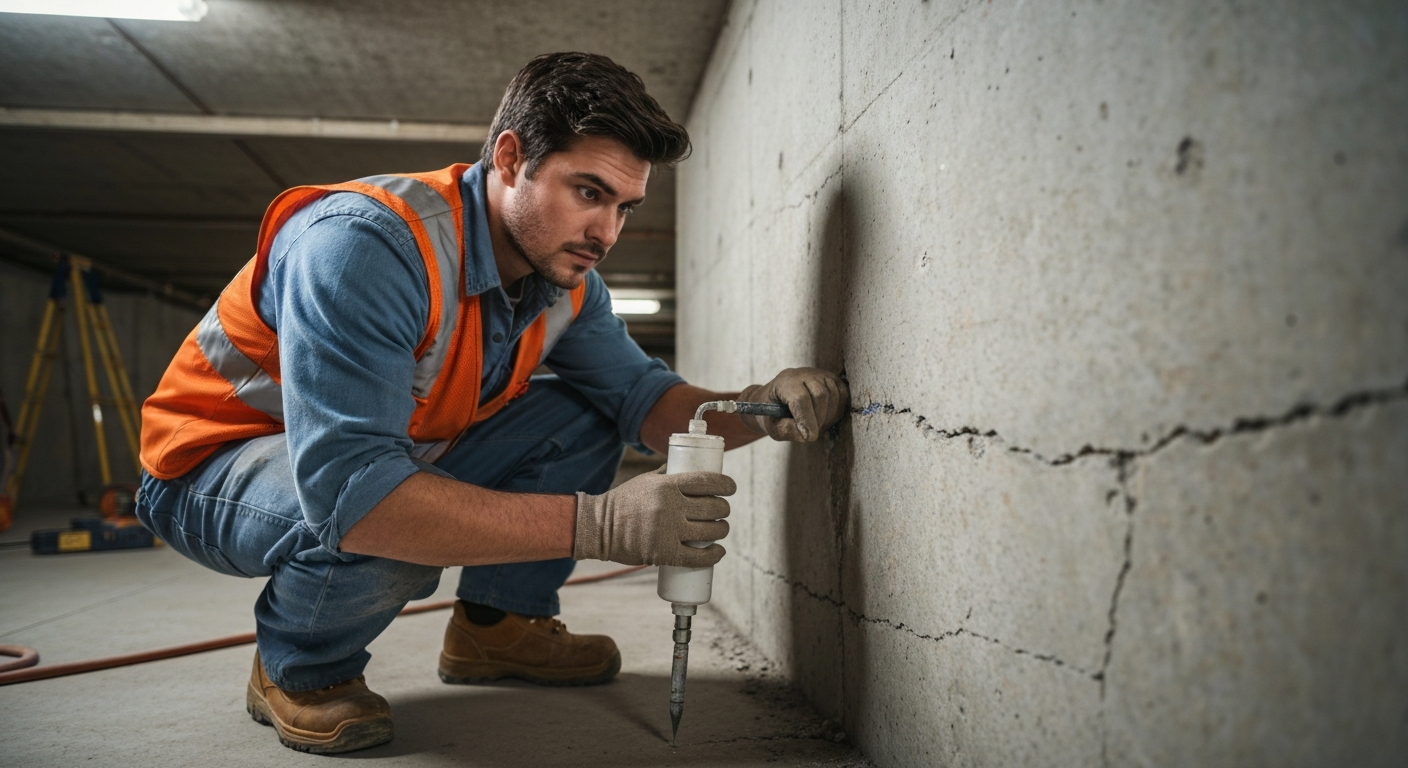
Basement waterproofing options and costs in Long Branch
Waterproofing is a practical—and sometimes urgent—topic for many homeowners in Long Branch, especially as basements age and winter moisture cycles turn small defects into recurring problems. With a 2021 population of 10,084 in Long Branch (Statistics Canada, 2021 Census), many buyers and owners are also competing for contractors’ time, which can affect scheduling and availability. Pricing is also influenced by housing age: many Long Branch homes sit in the post‑war to 1960–1980s range, when earlier drainage solutions (like original clay weeping tile) were common and often have partially failed after decades.
In Toronto’s mixed glacial till and clay-heavy pockets, water tends to build against foundation walls, increasing lateral pressure. Combine that with freeze–thaw cycles, and hairline cracks can widen and become active leaks over a few winters. That’s why exterior work (excavation, membrane, and new drainage tile) is often priced higher, but it can address the source of seepage. Where excavation is difficult—tight urban lots, decks, and additions—interior drainage and sump systems become the more realistic plan, especially when the weeper is clogged or collapsed.
In Long Branch, trade demand is especially high near the lakeside bluffs and older residential streets where grading is uneven and where basement dampness is common in homes with older drains. The next step is comparing common methods side-by-side, so you can line up the scope with your risk level and budget.
| Method |
What It Addresses |
Disruption Level |
Durability |
Price Range |
| Exterior excavation + new membrane + drainage tile |
Hydrostatic/lateral water pressure from soil; replaces failed drainage; re-establishes weeping tile function |
High (full excavation along foundation, landscape/sidewalk impacts) |
Long-term when installed to detail and backfilled properly |
$7,000–$25,000 |
| Interior perimeter drain channel + sump pit |
Manages water after it enters; reduces hydrostatic-related seepage to keep floors dry |
Medium (floor work in basement perimeter, limited exterior impact) |
Very good with proper sump, discharge route, and maintenance access |
$3,500–$15,000 |
| Foundation crack injection (epoxy or polyurethane) |
Isolated cracks: epoxy for non-moving/crack stabilization; polyurethane for active seepage |
Low (minimal demolition; prep and surface patching) |
Good for correctly matched crack type and application |
$600–$3,000 |
| Sump pump installation (primary + battery backup) |
Prevents basement flooding during normal and power-outage conditions |
Medium (pit excavation, discharge piping, electrical tie-in) |
High reliability when backup is included and discharge is properly routed |
$800–$3,500 |
| Window well drain installation |
Stops water pooling and seepage around egress window wells |
Low to medium (varies with landscaping and window type) |
Good when ties into a proper discharge route |
$900–$4,200 |
| Lot re-grading / downspout extension |
Reduces surface water load on the foundation; helps keep gutters from overwhelming drainage |
Low to medium (gardening removal/replacement) |
Moderate (depends on long-term maintenance and soil settlement) |
$1,200–$6,500 |
Prices are estimates only and vary by project scope, site access and material selection.
What affects the price of waterproofing in Long Branch
Two homeowners in the same Toronto region can receive quotes that differ by 30–50% for what sounds like the “same” waterproofing. The difference usually comes down to how contractors must deal with soil conditions, water pressure, and how many foundation details (cracks, tie holes, and failed drainage) are actually contributing to the problem. Nationally, many basements are treated as one-size-fits-all; in Long Branch and the GTA, mixed glacial till and clay-heavy pockets are a bigger variable, and crews need to match the solution to your foundation’s water pathway.
Three drivers most strongly separate regional pricing from the national average: soil type, water table, and freeze–thaw. Clay soils tend to expand when saturated, increasing lateral pressure against foundation walls and worsening cracks over time. In Toronto-area neighbourhoods, recurring wet periods can push sump run times and increase the required drainage capacity, which shows up in labour and parts. Freeze–thaw cycles then widen small defects, turning a crack repair that might otherwise be “one and done” into something that needs the right injection product and thorough crack mapping.
Concrete examples from Long Branch: (1) a home with a partially collapsed original weeping tile often shifts from a lower-cost crack injection plan to a full interior drainage scope (and sometimes sump backup), because the water pathway is broader than one crack; (2) a finished basement with tile flooring requires more demo and patching than a bare concrete floor, raising labour even if the waterproofing system is the same; (3) exterior work in tight lots near decks or shared driveways can add days of careful hand-digging—pushing the project toward the higher end of exterior pricing (for example, closer to the $7,000–$25,000 band) rather than the low end.
| Price Factor |
Why It Matters |
Cost Impact |
| Interior vs. exterior approach — interior is less disruptive but addresses symptoms |
Interior drainage collects water; exterior prevents entry by removing the hydrostatic source |
Exterior typically costs more due to excavation and membrane; interior can be lower but may need sump upgrades |
| Foundation type — poured concrete vs. block vs. stone vs. ICF |
Different wall systems behave differently under pressure and respond differently to sealing |
Block often needs more interior drainage detail; poured concrete can accept crack injection more predictably |
| Soil type — clay expands more than sand, adding pressure |
Clay saturation increases lateral pressure and crack activity during winter cycles |
Higher risk of recurrence increases scope, inspections, and drainage capacity |
| Crack type and length — hairline vs. structural horizontal cracks |
Active seepage cracks require different materials and sometimes engineer review |
Structural cracks can add engineering, testing, and heavier repair labour |
| Sump pump backup system — battery or water-powered backup needed |
Power outages can coincide with spring storms and melt cycles |
Backup raises material and electrical work but reduces flood risk |
| Access — landscaping, decks, or driveways must be removed for exterior |
Urban constraints increase labour and disposal/reinstatement costs |
Access issues can move an exterior job toward the top of the $7,000–$25,000 band |
| Weeping tile age — original tile (60+ years) may be completely failed |
Old drains clog and collapse, changing how water enters and where it shows up |
May require full replacement or interior capture, affecting both excavation and system size |
| Mould or efflorescence remediation required before sealing |
Sealing over active contamination can fail and create indoor air issues |
Adds remediation steps, drying time, and material prep |
Permits & regulations in Ontario
In Ontario, many waterproofing-related tasks require permits depending on how much you’re changing the building envelope or drainage systems. In general, foundation excavation near a home, structural crack repairs when there are indications of movement (especially horizontal cracking in block walls), and changes to lot drainage and surface water management often trigger permit requirements. If a sump pump ties into the storm or sanitary sewer system, you’ll typically need municipal approval before the connection is made.
Structural crack repair can be a key threshold. If you have major step cracks in block, horizontal cracks, bowing, or signs that the wall may be moving, an assessment by a structural engineer is commonly required to confirm whether underpinning or other structural work is needed. That assessment affects the permit path and the contractor’s scope—so choose contractors who can coordinate engineering support for structural repairs rather than treating it as “just a sealing job.”
To verify a contractor in Long Branch, start with the scope and then confirm coverage. Step-by-step:
- Request proof of Ontario business registration where applicable and ask whether a permit pull is included in the quote.
- Ask for a certificate of insurance and confirm it includes liability coverage appropriate for construction work.
- Confirm WSIB/WCB coverage status before work begins; obtain a clear clearance letter or documentation.
- For structural work, ask whether they retain or collaborate with a structural engineer for required assessments.
- Verify the contractor’s work references similar foundation types and water conditions in the GTA.
Always match the permit need to the scope: excavation and structural crack remediation are the common “permit-risk” items, while minor interior sealant work or localized crack injection may not be the same level of permitting—your contractor should state it clearly before starting.
Interior vs exterior waterproofing — what does Long Branch need?
In Long Branch, the difference between exterior and interior waterproofing is the difference between addressing the source versus managing the symptoms. Exterior waterproofing involves full excavation along the foundation, installing a membrane system, re-establishing footing/bedding drainage, and replacing drainage tile with correct slope and discharge. When done properly, it reduces the amount of water that ever reaches the wall, which is why it’s often the most permanent approach for homes with chronic seepage. However, it’s also significantly more invasive and disruptive because landscaping, patios, and sometimes portions of walkways or decking must be removed and restored.
Interior waterproofing—like perimeter drain channels, sump pits, and sump pumps—captures water that enters after hydrostatic pressure pushes it through cracks, tie holes, or deteriorated joints. It’s less invasive and often chosen when exterior excavation is constrained by tight lots, existing additions, or shared driveways. In Toronto-area clay-heavy soils, interior systems can perform extremely well, but they work best when paired with correct pump selection and, ideally, backup protection for power loss during spring flooding events.
Which approach is right for you depends on your foundation type and where the water is coming from. Poured concrete walls often respond well to crack injection for isolated leaks, but if the original weeping tile is clogged or the wall is experiencing ongoing lateral pressure, interior drainage and sump capacity become the more reliable “second line of defence.” Block foundations typically benefit from interior drainage as a practical complement, since mortar joints and block seams can allow continued moisture transfer even after targeted repairs.
As a straightforward example, if your basement is dry most of the year but you get short, heavy wet periods, a sump-focused interior plan may land in the lower end of the $3,500–$15,000 band. If you’re seeing persistent dampness, efflorescence, or recurring water after heavy rains and you can access the exterior, spending closer to the $7,000–$25,000 exterior band can be justified because it reduces the ongoing water load rather than only capturing it indoors.
| Method |
Best For |
Addresses Source? |
Disruption |
Lifespan |
Price Band |
| Full exterior excavation + membrane |
Chronic seepage, failed original drains, high lateral soil pressure, and homes where exterior access is feasible |
Yes |
High (major landscaping disruption) |
Often long-term with correct backfill and drainage detailing |
$7,000–$25,000 |
| Interior French drain + sump system |
Water already entering the basement, clogged/failed weepers, and homes where excavation is difficult |
No (it captures and manages) |
Medium (basement perimeter work) |
Long as long as pump/discharge are maintained |
$3,500–$15,000 |
| Crack injection — epoxy (structural) |
Non-moving cracks and stable, non-active leaks in poured concrete |
Partial (seals the leak path, not the full water load) |
Low |
Good when crack movement is ruled out |
$600–$3,000 |
| Crack injection — polyurethane (active leak) |
Active seepage through cracks or joints where water pressure is present |
Partial (seals active leak paths) |
Low |
Good when correctly matched to moving/active conditions |
$900–$3,500 |
| Interior drain channel only (no sump) |
Light seepage where water quantity is limited and can be controlled without pump capacity |
No |
Medium (floor sawcut/patch) |
Moderate—can be stressed if water events are heavy |
$3,000–$9,500 |
| Re-grading + downspout extensions |
Surface water management issues and dampness tied to gutter discharge or poor site slope |
Partial (reduces water load) |
Low to medium |
Moderate (depends on settlement and maintenance) |
$1,200–$6,500 |
How to choose a waterproofing contractor in Long Branch
Choosing the right waterproofing contractor in Long Branch is mostly about confirming details before anyone excavates or opens your foundation. Start with Ontario licensing and insurance basics: ask for their insurance certificate (liability coverage) and confirm WSIB/WCB coverage with documentation you can keep for your records. If the project involves structural crack repair, ask how they handle engineering assessments and whether they can provide engineering support as required by the scope.
Then, get 2–3 itemised written quotes. You want labour and materials broken down by line item (excavation and disposal, membrane system, drainage tile, pumps and backups, sump pit work, crack injection materials, and restoration). A quote should also say what’s excluded: for example, whether disposal is included, whether permit fees are handled, and whether restoration includes sod/seed and concrete/stone patching to match existing finishes.
Warranty clarity matters. Look for a workmanship warranty period stated in writing, plus a manufacturer warranty for products—sealants, membranes, and pump components. Confirm whether the warranty is transferable to future owners if you sell the home.
Payment schedule is a risk area. Don’t pay more than about 10–15% upfront. Use a holdback until key milestones are verified (for exterior work, that can include inspection of membrane/drainage installation before backfill). Also require a written start date and a completion estimate so the work aligns with dry-season schedules where possible.
- Ask for proof of WSIB/WCB clearance (not just a verbal statement).
- Request liability insurance certificate and confirm the work class matches construction.
- Verify permit responsibility: “permit pull included?” in writing.
- Require an itemised scope (not a single lump-sum line).
- Confirm disposal costs for removed soil and construction waste are included/excluded.
- Check whether restoration is included (sod, grading, paving patch, window well covers).
- Ask how the contractor identifies active leaks vs stable cracks before injection.
- Confirm pump selection (capacity, discharge route) and whether backup is included when recommended.
- Request their warranty terms for workmanship and product components.
- Ask what conditions allow/require adjustments (wet weather, blocked drains, inaccessible weeper).
- Review the schedule and ask for an estimated inspection/return for final handover.
- Make sure the discharge route won’t push water back toward neighbour properties or windows.
Common Long Branch red flags: vague scope language (“we’ll waterproof it”), no itemised pricing, missing WSIB/WCB documentation, no stated workmanship warranty, and a refusal to explain whether the fix addresses the water source versus only capturing water indoors.
Frequently asked questions — waterproofing in Long Branch
Do I need a sump pump in Long Branch?
In Long Branch, you usually consider a sump pump when you’re dealing with recurring seepage during wet periods, visible water seepage along the basement perimeter, or any history of basement flooding after heavy rain or spring melt. The GTA’s clay-heavy pockets can hold water against foundation walls, and freeze–thaw can turn small cracks into active leak paths over a few winters. If your interior drainage plan includes a perimeter drain, a sump becomes the practical way to keep water levels controlled, especially if you can’t reliably remove or replace the exterior weeping tile.
Many homeowners choose sump systems because interior collection alone isn’t enough during heavy water events. If you’re budget-conscious, a basic sump installation can be in the $800–$3,500 band, and adding a battery backup is often the difference between “dry basement most of the time” and “dry basement even during an outage.”
How does Long Branch's soil affect my foundation?
Long Branch sits on mixed glacial till and clay soils, and many neighbourhood pockets have dense clay that holds water. That matters because saturated clay can expand during freeze–thaw and exert lateral pressure against foundation walls. Over time, that pressure can worsen cracks around tie holes, joints, and areas where original drainage has failed—often turning minor dampness into recurring wet floors or efflorescence. This is one reason you may see interior dampness even when the exterior wall looks “fine.”
When your exterior weeping tile is clogged or collapsed, water can’t drain away effectively and instead migrates toward the foundation. In those cases, exterior excavation and membrane work can be more definitive, but interior drainage and a sump may be the best fit if access is limited.
Do I need a permit for foundation work in Ontario?
Ontario permit requirements depend on the specific foundation and drainage work being done. In general, foundation excavation, structural crack repair when there’s a possibility of wall movement, and meaningful changes to lot drainage often require permits. Also, if your sump pump discharge is connected to municipal storm or sanitary services, municipal approval is typically required. A structural engineer’s assessment is often required when cracks are horizontal in block walls or otherwise suggest structural involvement.
For a homeowner in Long Branch, the best approach is to ask your contractor to state in writing which permits they will pull and which they will coordinate. Before work starts, confirm the contractor’s liability insurance and WSIB/WCB coverage, and verify whether engineering support is included for any structural crack scenario.
How long does waterproofing last?
Basement waterproofing longevity depends on what problem was actually solved (source prevention vs water capture) and whether the system is matched to your foundation, soil, and drainage conditions. Exterior waterproofing—when excavation, membrane installation, and new drainage tile are completed to detail—often provides the most durable outcome because it reduces water entry and hydrostatic pressure at the wall. Interior systems can also last many years, especially with correct sump sizing, properly routed discharge, and maintenance, but they manage water after it enters.
Crack injections can be long-lasting when the crack is stable and the right material is used: epoxy for non-moving conditions and polyurethane for active leaks. If freeze–thaw continues to move the crack or the weeping tile remains failed, recurrence is more likely. That’s why accurate diagnosis influences both lifespan and cost, with many interior waterproofing projects commonly falling in the $3,500–$15,000 band and exterior work often higher when the source is addressed.
Can I waterproof my basement from the inside only?
Yes, you can often waterproof from the inside only—especially when the original drainage is clogged, exterior access is constrained, or you’re primarily trying to control seepage. Interior perimeter drain channels combined with a sump pit can significantly reduce wet floors and prevent basement flooding by collecting water as it enters and pumping it away. For isolated leaks, crack injection can also be done from inside without excavation.
That said, interior-only work typically does not eliminate the hydrostatic pressure pressing on the foundation wall. In Long Branch’s clay-heavy soils, that pressure can continue, and if the water pathways are larger than the cracks being treated, water may reappear elsewhere. If you see persistent efflorescence, widespread dampness, or evidence that the weeping tile is completely failed, an exterior excavation plan may be the more permanent solution—even though it’s more disruptive and often lands closer to the $7,000–$25,000 range.
What causes foundation cracks in Long Branch?
Foundation cracks in Long Branch are usually tied to the interaction between soil moisture, hydrostatic pressure, and freeze–thaw. Dense clay soils can expand when saturated and exert lateral pressure on basement walls. As temperatures swing, freeze–thaw cycles widen small defects in concrete and block mortar joints, turning hairline cracks into active leak paths. Poor drainage—like clogged original weeping tile, a downspout dumping too close to the foundation, or settled grading—can intensify this cycle by keeping soil saturated near the foundation.
Cracks can also appear at common details: tie holes, corners, and areas where early drainage systems were installed and later failed. If you’re seeing horizontal cracks, widening step cracks in block, or signs of movement, treat it as more than a cosmetic issue and ask for an assessment—Ontario often requires engineering review for structural scenarios.