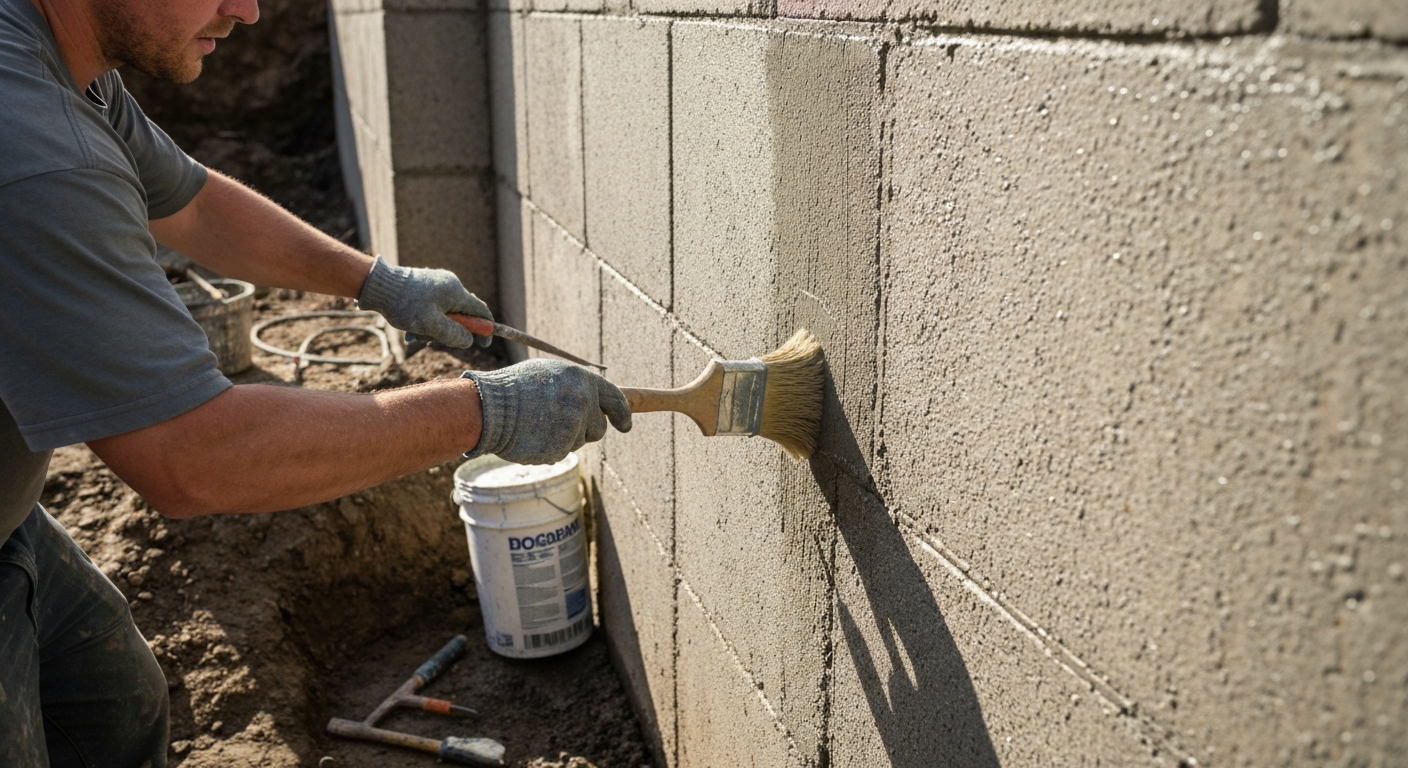
Basement waterproofing options and costs in Meadowlark Park
In Meadowlark Park, Alberta, basement leaks usually aren’t a “mystery”—they’re a response to how local clay soils hold water, how freeze–thaw cycles widen joints, and how older drainage systems age. With a population of 2,602 (Statistics Canada, 2021 Census), you’ll often find repeat contractors who understand the same excavation constraints, lot grades, and common foundation types that show up across the Calgary area. Even in newer pockets, many homeowners are still dealing with foundations built decades ago that were originally protected with simpler systems; if the weeping tile is original, it may now be blocked or collapsed, turning small seepage into recurring wet spots.
Calgary pricing is also influenced by labour availability and job complexity. When crews must remove landscaping, deal with tight setbacks, and excavate around patios or retaining edges, the scope naturally shifts toward exterior waterproofing. In low-lying pockets near river valleys and coulees, hydrostatic pressure can be higher seasonally, making a dependable perimeter drain and sump system more urgent. In Meadowlark Park, this trade is especially in demand for homes around established residential nodes where backyard access is limited and downspouts/grades have been “tweaked” over the years rather than corrected.
Below is a comparison of the most common waterproofing approaches and what they typically address, so you can match options to your leak pattern and budget before you call for a site review.
| Method |
What It Addresses |
Disruption Level |
Durability |
Price Range |
| Exterior excavation + new membrane + drainage tile |
Continuous water barrier plus perimeter drainage that relieves hydrostatic pressure |
High (landscaping removal and deep excavation) |
Long-term when properly detailed and protected |
$9,500–$24,000 |
| Interior perimeter drain channel + sump pit |
Manages water after it enters; reduces wall seepage and floor moisture |
Medium (floor work; less yard excavation) |
Good (depends on battery reliability and discharge routing) |
$6,000–$14,000 |
| Foundation crack injection (epoxy or polyurethane) |
Stops through-cracks or active leaks; restores watertightness of targeted joints |
Low to Medium (minor demo around crack line) |
Excellent for stable cracks; limited if movement continues |
$700–$1,950 |
| Sump pump installation (primary + battery backup) |
Prevents water accumulation; improves reliability during power disruptions |
Low to Medium (cutting and plumbing to discharge) |
High for proper maintenance and backup setup |
$1,200–$3,200 |
| Window well drain installation |
Stops runoff and seepage at egress openings; reduces localized efflorescence |
Medium (excavation around window well) |
Good (depends on grading and drain outlet) |
$1,600–$4,500 |
| Lot re-grading / downspout extension |
Reduces the amount of surface water reaching foundation walls and joints |
Low to Medium (landscape work) |
Moderate (effective if grades stay maintained) |
$800–$2,800 |
Prices are estimates only and vary by project scope, site access and material selection.
What affects the price of waterproofing in Meadowlark Park
In Meadowlark Park and across Calgary’s surrounding communities, two homeowners can receive very different quotes for “the same” waterproofing because the scope often changes—30% to 50% is common when contractors uncover deeper excavation needs, failing drainage, or additional corrective work. Pricing variance isn’t just overhead; it reflects how clay soils, seasonal groundwater behaviour, and freeze–thaw cycles create different failure paths at each address.
First is soil type. Calgary-area soils are frequently clay and clay-till, which expand when saturated. That swelling increases lateral pressure on foundation walls and keeps cracks “working,” which can raise costs for crack injection or require a full perimeter drainage plan. Second is water table and seasonal saturation. In pockets influenced by river valleys and coulees, the drainage system must handle heavier inflow, which can increase labour and increase sump pumping requirements and piping routing. Third is freeze–thaw. When water gets into joints in winter and then freezes, it widens cracks and joints in spring—so you may see repeating leaks unless the water source and pathway are corrected.
For concrete examples: (1) a basement with persistent efflorescence along one wall may stay in the $5,000–$15,000 interior range if the source is mainly localized seepage and the perimeter drain can capture it; (2) the same symptom can jump toward the exterior $9,000–$25,000 range when excavation shows a failed weeping tile and saturated backfill around the entire perimeter; (3) window wells with ongoing runoff often add a few thousand dollars, but they can be cheaper than full excavation if grading and drainage are corrected right away.
Lastly, market factors matter. In older housing stock areas, failing weeping tile and undersized interior drainage are common failure points, so contractors typically spend more time diagnosing and may recommend complementary measures instead of one fix.
| Price Factor |
Why It Matters |
Cost Impact |
| Interior vs. exterior approach — interior is less disruptive but addresses symptoms |
Exterior targets water entry; interior manages water after entry |
Interior often saves on excavation but may still cost $5,000–$15,000+ depending on sump complexity |
| Foundation type — poured concrete vs. block vs. stone vs. ICF |
Crack behaviour and sealing method differ by material |
Block and older stone can require more drilling/injection and interior drainage; poured concrete may respond better to injection |
| Soil type — clay expands more than sand, adding pressure |
Expanding soils increase lateral pressure and worsen active seepage |
Clay sites can push projects toward exterior membrane + drainage or add reinforcements to interior systems |
| Crack type and length — hairline vs. structural horizontal cracks |
Movement cracks often need engineering and may not stay sealed with injection alone |
Structural or long horizontal cracks can add assessment, more prep, and possible underpinning pathways |
| Sump pump backup system — battery or water-powered backup needed |
Backup reduces risk during outages in spring thaw and heavy storms |
Often adds meaningful cost; however, it can be cheaper than rebuilding damaged finishes after a failure |
| Access — landscaping, decks, or driveways must be removed for exterior |
Exterior excavation is labour-intensive when yards are tight |
Can move exterior work toward the high end of $9,000–$25,000 when multiple removals are required |
| Weeping tile age — original tile (60+ years) may be completely failed |
Old tile frequently collapses or clogs, reducing drainage capacity |
May turn a localized repair into a full perimeter drainage replacement |
| Mould or efflorescence remediation required before sealing |
Moisture + salts can degrade coatings and prevent proper adhesion |
Extra demo/cleaning can add time and materials before waterproofing products are applied |
Permits & regulations in Alberta
In Alberta, many waterproofing-related tasks can affect building performance and drainage, so permits are not always optional. As a general rule, foundation excavation, structural crack repair, and changes to lot drainage typically require a building permit. If you’re installing or modifying drainage that ties into municipal services, a municipal approval process may also apply—especially for work that connects sump discharge lines to storm or sanitary systems. For structural crack repair—particularly horizontal cracks in block walls or any sign that a wall has moved—an engineer’s assessment is often required to confirm whether underpinning or structural reinforcement is needed, not just sealing.
What commonly DOES require a permit:
- Excavation and modifications that change foundation drainage pathways or how water leaves the site.
- Major crack repairs where the scope is structural (movement indicators, significant horizontal cracks, or wall instability concerns).
- Alterations that impact foundation elements beyond small cosmetic patching.
What typically does NOT require a permit:
- Minor interior waterproofing work that doesn’t alter municipal drainage connections (for example, interior drain channels within the basement when not changing exterior discharge routes).
- Targeted crack injection for minor, non-structural cracks—though a permit may still be triggered depending on severity and how the contractor categorizes the work.
Step-by-step verification for Meadowlark Park homeowners: (1) Ask for the contractor’s Alberta licence number and verify it through the appropriate online registry search; (2) request a current certificate of liability insurance showing the effective dates and limits; (3) confirm workers’ compensation coverage (WSIB/WCB) by asking for proof/clearance letter; (4) for structural scopes, confirm whether they carry engineering support or will coordinate directly with a licensed structural professional; and (5) ensure the permit is pulled (if required) under your address and scope before work begins.
Interior vs exterior waterproofing — what does Meadowlark Park need?
When you compare interior to exterior waterproofing in Meadowlark Park, the biggest difference is the “source vs. symptom” problem. Exterior waterproofing involves full excavation, a continuous membrane, new perimeter drainage tile, and backfill protection—so it addresses where water is entering and keeps hydrostatic pressure from building up against the wall. It’s disruptive and more expensive, but it’s the most complete solution in clay-heavy sites or where weeping tile has failed.
Interior waterproofing works differently. A perimeter drain channel, sump pit, and sump pump manage water after it enters the basement through cracks or seepage paths. That can be less invasive, but it does not eliminate the pressure on the wall; it just captures and removes the water. In Meadowlark Park, this matters because freeze–thaw can keep widening joints and allowing continued seepage. If you have a poured concrete wall with stable cracks, crack injection (often with epoxy for stable conditions) can complement an interior drain. If you have block foundations, interior drainage is frequently a practical complement to reduce recurring seepage, especially when exterior access is limited.
Given spring runoff and winter precipitation patterns across the Calgary market, backup systems for sump pumps are a real need—not a luxury. Alberta power disruptions can happen during storm events, and a battery backup (or water-powered backup where appropriate) reduces the chance of a pump failure during peak inflow.
A concrete example: if your leaks are limited to a few corners and inspection suggests localized seepage, interior perimeter drainage plus sump work might land in the $6,000–$14,000 range. If inspection reveals failed exterior drainage and saturated clay around much of the perimeter, moving to exterior excavation and membrane work can be justified at the $9,000–$25,000 level because the root pathway is corrected rather than repeatedly managed.
| Method |
Best For |
Addresses Source? |
Disruption |
Lifespan |
Price Band |
| Full exterior excavation + membrane |
Widespread seepage, failed weeping tile, saturated clay backfill, high seasonal inflow areas |
Yes |
High |
Long-term when detailed correctly |
$9,000–$25,000 |
| Interior French drain + sump system |
Leaking basements where exterior access is limited or leaks are manageable after entry |
No (manages after entry) |
Medium |
Good with maintenance and reliable pump backup |
$5,000–$15,000 |
| Crack injection — epoxy (structural) |
Stable, non-moving cracks in poured concrete where water path is limited to the crack |
Partially (targets a major entry path) |
Low to Medium |
High if the crack remains stable |
$600–$1,800 |
| Crack injection — polyurethane (active leak) |
Active seepage where material needs to expand and seal around moving moisture |
Partially (targets an active entry path) |
Low to Medium |
Good for ongoing seepage when movement is limited |
$700–$2,050 |
| Interior drain channel only (no sump) |
Light seepage and cases where gravity discharge is practical and reliable |
No |
Low to Medium |
Moderate (system reliability depends on discharge) |
$3,500–$8,500 |
| Re-grading + downspout extensions |
Surface runoff issues, minor dampness after storms, poor eaves drainage |
No (reduces load on foundation) |
Low to Medium |
Moderate (requires ongoing maintenance) |
$800–$2,800 |
How to choose a waterproofing contractor in Meadowlark Park
Choosing a waterproofing contractor in Meadowlark Park starts with proof, not promises. First, verify Alberta licensing for the work they’re proposing, then confirm current liability insurance (certificate showing the limits and effective dates). Next, check WSIB/WCB coverage—ask for a clearance letter or proof of coverage rather than accepting a verbal statement. If the job includes structural repair or engineering involvement, ask who coordinates the structural assessment and ensure it’s completed by a qualified professional.
Second, get 2–3 itemised written quotes. You want a breakdown that separates labour and materials (for example, membrane type, drainage tile components, sump basin and pump model, piping and discharge, disposal fees, and concrete/finish reinstatement). A lump-sum only quote is difficult to compare fairly. Also read exclusions: is permit pulling included? Is removal and replacement of landscaping and concrete included or billed separately? Are excavation spoil disposal fees included?
Third, check warranty terms. You should receive a workmanship warranty (often expressed as years) and product/manufacturer warranty details for membranes, drain materials, and pumps. Ask whether the warranty is transferable if you sell the home.
Fourth, payment schedule matters. Never pay more than 10–15% upfront; use milestone payments tied to inspection points, and hold back a portion until the job is complete and clean-up/documentation is delivered. Finally, insist on a written start date and a completion estimate that includes weather contingencies typical of southern Alberta.
- Provide a written scope with measurements, not just “waterproofing basement.”
- Show photos of existing conditions and explain what failed (tile, grading, cracks, seepage path).
- List permit responsibilities: who pulls it, and what’s included in the quote.
- Specify sump model, basin size, discharge line routing, and check valves.
- If recommending a backup, state the type (battery or water-powered) and what it covers.
- Include disposal and backfill material requirements for clay spoils excavation.
- Confirm concrete coring/demo limits so you’re not surprised later.
- Detail membrane protection strategy (board/cover and proper terminations).
- State crack injection method and whether the crack is stable vs active.
- Provide warranty documents before you sign—workmanship and product coverage.
- Request a post-job checklist: documentation, photos, and maintenance instructions for sump system.
- Ask about drainage testing or verification steps (e.g., water table simulation isn’t practical, but runoff inspection and discharge validation are).
Concrete red flags: (1) a quote that skips investigation and proposes one “standard” fix; (2) refusing to discuss permit or municipal approval when discharge routing is involved; (3) no proof of WSIB/WCB or liability insurance; (4) warranty wording that only covers materials or excludes installation; and (5) insisting on large upfront payments (well beyond 10–15%).
Frequently asked questions — waterproofing in Meadowlark Park
Do I need a sump pump in Meadowlark Park?
If you’re seeing recurring water in a basement after spring melt, heavy storms, or along multiple wall sections, a sump pump is often the most reliable way to keep water from pooling and damaging finishes. In Meadowlark Park and the wider Calgary area, clay soils can hold moisture and contribute to pressure during freeze–thaw, which can overload passive drainage. If an interior perimeter drain is installed, most systems are designed to discharge into a sump pit, especially when gravity drainage isn’t practical. When you’re comparing quotes, it helps to know the typical installed range: sump pump installation is commonly around $900–$3,000, and adding primary plus backup capability often pushes toward the higher end. A site inspection should confirm discharge route, check valve strategy, and whether backup is required based on your leak severity and basement layout.
How does Meadowlark Park's soil affect my foundation?
Meadowlark Park homeowners commonly deal with clay and clay-till soils that behave like a sponge. When the ground saturates, clay expands and can exert lateral pressure on foundation walls and footings. During Alberta winter, freeze–thaw cycles then widen existing cracks and joints, providing pathways for meltwater and storm runoff to enter. Over time, this is why many basements show repeating seepage or new efflorescence lines instead of one-time leaks. Practically, clay-heavy sites often cost more to fix because they may require a continuous exterior membrane and functioning perimeter drainage, or—if exterior access is limited—an interior perimeter drain plus sump system that can handle higher run times. The upside: with the right drainage design and proper crack sealing, you can break the cycle rather than “patching” the same wet spot each season.
Do I need a permit for foundation work in Alberta?
In Alberta, whether you need a permit depends on the scope. Foundation excavation, changes to lot drainage, and structural crack repair typically require a building permit, because they affect how the foundation and drainage systems perform. If waterproofing work includes connecting sump discharge to storm or sanitary sewer systems, municipal approval may also be required. For Meadowlark Park homeowners, the key is to confirm what the contractor will do before excavation starts: ask whether they will pull the permit under your address and provide the permit number. If the work involves potential structural concerns (like horizontal cracks in block walls), an engineer’s assessment is often required to determine if underpinning or other structural remediation is necessary. A reputable contractor should show you how permits, insurance, and engineering support are handled as part of the written scope and documentation package.
How long does waterproofing last?
“How long it lasts” depends on the method and whether the root water pathway is corrected. Exterior systems—when installed with correct membrane detailing, protected terminations, and properly functioning drainage tile—are typically designed for long-term performance, often lasting many years. Interior systems also last, but their effectiveness relies on capturing and pumping the water consistently; if the sump fails or the discharge route is blocked, issues can return. Crack injection can be durable too, especially epoxy injection for stable cracks, but it’s not a permanent cure if the crack continues to move due to pressure changes from saturated clay. In Meadowlark Park, freeze–thaw and seasonal saturation are the reason annual monitoring matters: keep downspouts working, watch for changes in water entry points, and ensure pumps run as expected. When comparing quotes, a realistic price difference between approaches—interior work often around $5,000–$15,000 versus exterior in the $9,000–$25,000 band—usually reflects how completely the system tackles the source.
Can I waterproof my basement from the inside only?
Yes, in many Meadowlark Park basements you can waterproof from the inside only, especially when the leak pattern is limited and an interior perimeter drain and sump can capture inflow effectively. Interior methods are also common when exterior access is restricted by patios, decks, or tight lot lines. However, interior waterproofing generally manages water after it enters and does not stop hydrostatic pressure against the wall itself. That distinction matters in clay-heavy conditions: if saturation pressure remains high, you may still see continued crack activity and moisture through floors/walls until the interior system is correctly sized and reliable. A practical strategy is often combining interior drainage with targeted crack injection when cracks are the main entry path. If the weeping tile is failed and the backfill is fully saturated, an exterior membrane and drainage replacement is usually the more complete fix. That’s why some homeowners see quotes that differ substantially, often aligning with the interior versus exterior price bands.
What causes foundation cracks in Meadowlark Park?
In Meadowlark Park and the Calgary area, foundation cracks are commonly caused by a combination of soil movement, moisture changes, and freeze–thaw. Clay soils expand when saturated and can exert pressure laterally on foundation walls, leading to cracks over time. Seasonal freeze–thaw then amplifies the issue by widening joints and cracks as water freezes and thaws in and around the foundation. In older homes, corroded or clogged weeping tile and inadequate drainage can keep soils around the foundation wetter for longer periods, increasing the cycle. Another driver is settlement or movement in older block foundations, where step or horizontal cracks can indicate more than just surface shrinkage. If your cracks are accompanied by active seepage (dampness, wet spots, or active flow), crack injection selection matters—epoxy is typically used for stable cracks, while polyurethane is often chosen for active leaks. If you’re unsure, schedule an inspection before you spend on repairs.