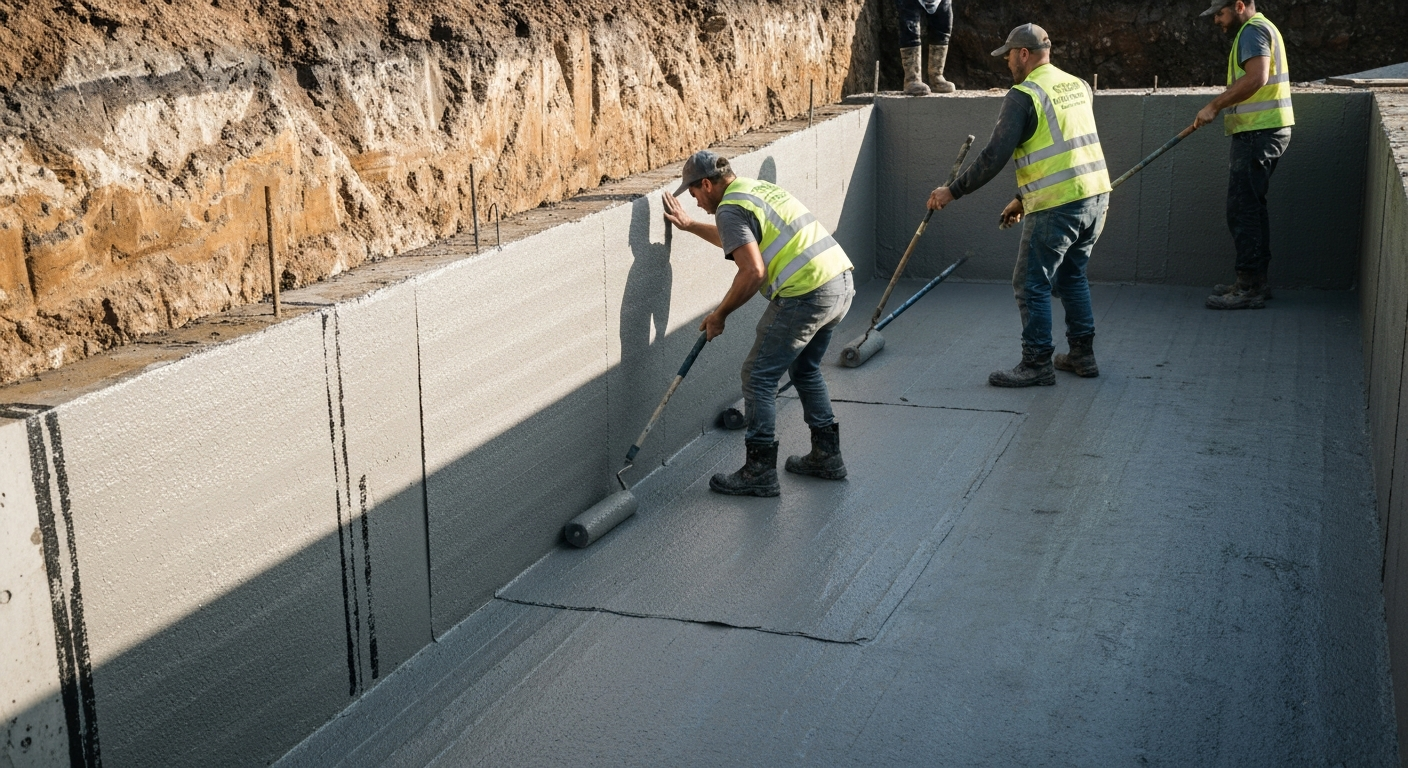
Basement waterproofing options and costs in Chatham
Basement waterproofing in Chatham is all about matching the right system to how water is getting in—because a “wet basement” in one part of town can be caused by clogged weeping tile, cracking block walls, or seasonal groundwater pressure against the foundation. Chatham’s population is 43,550 (Statistics Canada, 2021 Census), and that steady local building demand means established crews and materials suppliers are easier to book than in smaller communities. Just as importantly, many homes in the Windsor–Sarnia corridor were built with limited exterior drainage details, so when the original weeping tile ages out, homeowners typically see recurring seepage rather than a single one-time leak. In many older neighbourhoods around Westcourt and parts of downtown, interior retrofits and sump upgrades are especially in demand.
In the Chatham area, soil type, water table behaviour, and freeze–thaw cycles push pricing higher than homeowners expect from “average Ontario” estimates. Fine-textured, poorly drained soils can keep moisture against foundations, while winter freeze–thaw widens joints and cracks, opening pathways for water. Contractors usually price for these conditions by engineering drainage capacity, selecting frost-resistant backfill and detailing insulation properly along the foundation line.
The sections below compare the common repair paths and typical cost ranges. For most homeowners, the decision comes down to whether you want to permanently address the source through exterior work, or manage water after it enters with interior drainage and pumping.
| Method |
What It Addresses |
Disruption Level |
Durability |
Price Range |
| Exterior excavation + new membrane + drainage tile |
Source control by stopping lateral moisture/groundwater and collecting it in new footing drains |
High (excavation, landscaping, backfill, regrading) |
Long-term when properly detailed and protected from freeze damage |
$12,000–$25,000 |
| Interior perimeter drain channel + sump pit |
Hydrostatic pressure management by capturing seepage at the footing line and pumping it away |
Medium (wall access, floor/finish protection, limited excavation) |
Very good as long as pump, discharge, and discharge grading are correct |
$8,000–$18,000 |
| Foundation crack injection (epoxy or polyurethane) |
Seepage control through cracks (epoxy for structural/static cracks; polyurethane for active leaks) |
Low to Medium (interior surface prep; minor patching) |
Good for the right crack type; best as part of a drainage plan |
$600–$2,500 |
| Sump pump installation (primary + battery backup) |
Reliable removal of collected water, plus continued operation during power interruptions |
Low to Medium (pit, discharge line, some electrical work) |
High dependability when backup is maintained and discharge is clear |
$1,800–$4,500 |
| Window well drain installation |
Managing water pooling near below-grade window wells and directing it away from the opening |
Medium (well excavation/adjustments; landscaping impacts) |
Good, especially when paired with downspout control |
$1,200–$3,800 |
| Lot re-grading / downspout extension |
Reducing surface water runoff toward the foundation |
Low to Medium (yard work; minor restoration) |
Moderate (depends on soil slope stability and maintenance) |
$2,000–$6,000 |
Prices are estimates only and vary by project scope, site access and material selection.
What affects the price of waterproofing in Chatham
Homeowners in Chatham often see quotes swing by 30–50% for what seems like the “same” basement leak repair. In the Windsor–Sarnia corridor, the three biggest separation points from the national average are soil type, water table behaviour, and freeze–thaw impacts. Where clay-heavy or compact, poorly drained soils are present, water is slower to move away from the foundation. That increases hydrostatic pressure and forces contractors to design stronger drainage and pumping capacity. Freeze–thaw then expands existing cracks and joint gaps—especially in older concrete and block foundations—so a small seepage path can become a larger problem over a few seasons.
Water table conditions drive the practical side of cost too. When the water table runs higher seasonally, pumps cycle more often and discharge routing must be engineered carefully. In Chatham, older housing stock is common in areas such as Westcourt and parts of downtown, and many of those homes rely on aging or clogged weeping tile with limited exterior damp-proofing. That’s why interior perimeter drains and sump retrofits are frequent remedial projects, often aligning with the interior waterproofing band of $8,000–$18,000—particularly when you need a properly sized footing drain and a dependable discharge setup.
Cost can drop when the leak source is narrow and surface water is clearly misdirected, allowing re-grading and downspout corrections (often closer to $2,000–$6,000) to solve the problem without excavation. Cost climbs when exterior access is constrained by decks, paved driveways, or tight lots, and when excavation must be deeper to tie into footing drains designed for higher moisture loads.
| Price Factor |
Why It Matters |
Cost Impact |
| Interior vs. exterior approach — interior is less disruptive but addresses symptoms |
Exterior controls water before it reaches the wall; interior manages it after entry |
Exterior often costs ~1.5× to 2.0× interior where excavation is feasible |
| Foundation type — poured concrete vs. block vs. stone vs. ICF |
Crack pattern and permeability differ; joint treatment and drainage details change |
Block and stone typically require more crack/joint-focused work |
| Soil type — clay expands more than sand, adding pressure |
Clay holds moisture and exerts lateral pressure during freeze–thaw cycles |
High pressure areas increase drainage pipe sizing, membranes and backfill quantity |
| Crack type and length — hairline vs. structural horizontal cracks |
Active or structural cracks need different repair chemistry and scope |
Structural repairs can push costs beyond crack injection alone |
| Sump pump backup system — battery or water-powered backup needed |
Power interruptions during spring wet weather can quickly turn seepage into flooding |
Backup adds line items but reduces risk of basement damage |
| Access — landscaping, decks, or driveways must be removed for exterior |
More removal/restore time and disposal increases labour hours |
Access constraints can add days and raise total cost |
| Weeping tile age — original tile (60+ years) may be completely failed |
Failing tile increases groundwater seepage volume at the perimeter |
Full replacement of drainage components may be required |
| Mould or efflorescence remediation required before sealing |
Sealers and membranes won’t bond well to contaminated or wet surfaces |
Remediation adds steps and follow-up drying time |
Permits & regulations in Ontario
In Ontario, several waterproofing-related tasks typically require a permit, especially when excavation affects grade near the foundation, when structural crack repair is involved, or when drainage changes could alter how water leaves the property. In many cases, foundation excavation and any modifications to lot drainage require review, and structural crack repair (for example, major horizontal cracks in block walls) often needs a permit and a structural engineer’s assessment to confirm whether underpinning or other structural work is required. Also, sump pump installations that connect to municipal services—especially where discharge ties into storm or sanitary systems—typically need municipal approval before work begins.
For homeowners in Chatham, the easiest way to stay protected is to verify three things before signing: (1) Ontario licensing where applicable for the contractor’s trade category, (2) liability insurance, and (3) WSIB/WCB clearance (or the appropriate proof of coverage). Start by asking the contractor for a current certificate of insurance and proof of clearance. Then check the contractor’s standing through the provincial online registry for business/trade status, and confirm the coverage is active for the work date range. If a job involves structural repairs, request written confirmation that they can coordinate engineering support or provide engineer stamp documentation if required.
Work that often does not require a permit is limited surface water control like downspout extensions, basic re-grading within established lawn areas, and targeted sealing after the source issue has been identified—however, the moment you begin excavation, tie drainage, or address structural cracking complexity, treat it as permit-triggering until the contractor confirms otherwise in writing.
Interior vs exterior waterproofing — what does Chatham need?
The fundamental difference is simple: exterior waterproofing permanently addresses water at the source by excavating around the foundation, installing a new membrane, and adding/renewing drainage tile and backfill that manage groundwater before it reaches the wall. Interior waterproofing is a “capture and pump” approach: you install a perimeter drain channel, a sump pit, and a sump pump to manage water after it enters the basement. In Chatham’s Windsor–Sarnia conditions, where poorly drained soils and seasonal groundwater can keep moisture pressed against foundation walls, many basements benefit from interior drainage—especially when exterior access is limited. Exterior work can still be the best long-term solution when the yard allows safe excavation and you want to reduce dependence on pumping.
Poured concrete foundations often respond well to crack injection as part of a drainage strategy, because proper sealing combined with a footing drain can stop many seepage pathways. Block foundations, common in older local housing stock, frequently need interior drainage as a practical complement because joint and mortar channels can route water even after surface repairs. For interior systems, backup matters: during spring flooding events or short power interruptions, a battery backup sump pump helps prevent water from rising quickly while power is out.
A realistic cost example: exterior waterproofing (excavation + membrane + drainage tile) commonly falls in the $12,000–$25,000 range, while a well-designed interior perimeter drain system with sump typically lands around $8,000–$18,000. The price difference is justified when you have recurring seepage from groundwater pressure, accessible exterior perimeter, and you want to reduce long-term reliance on pumping. If the leak is isolated to surface runoff and window well drainage, interior excavation may not be necessary and lower-cost corrections can be the better value.
| Method |
Best For |
Addresses Source? |
Disruption |
Lifespan |
Price Band |
| Full exterior excavation + membrane |
Frequent seepage from groundwater pressure where exterior access is workable |
Yes (source control) |
High |
Long (when membranes, backfill, and drainage are detailed for freeze–thaw) |
$12,000–$25,000 |
| Interior French drain + sump system |
Basements with recurring water where excavation is restricted by decks/driveways or additions |
No (manages entry and hydrostatic pressure after it happens) |
Medium |
Long with correct discharge and pump sizing |
$8,000–$18,000 |
| Crack injection — epoxy (structural) |
Static, structural cracks in poured concrete where there is little to no active flow |
Partly (seals pathways, but doesn’t replace drainage) |
Low |
Good for properly selected crack types |
$600–$2,500 |
| Crack injection — polyurethane (active leak) |
Active seepage where water is moving through cracks/joints |
Partly (stops active leak paths; still benefits from drainage) |
Low |
Good when matched to moisture conditions |
$900–$2,800 |
| Interior drain channel only (no sump) |
Light seepage that can drain by gravity with a suitable daylight discharge route |
No (captures and drains, but without pumping redundancy) |
Medium |
Moderate; depends on discharge reliability |
$5,000–$10,000 |
| Re-grading + downspout extensions |
Surface runoff problems and minor dampness near the foundation line |
Partly (reduces water reaching foundation) |
Low to Medium |
Moderate; requires maintenance as soil settles |
$2,000–$6,000 |
How to choose a waterproofing contractor in Chatham
Choosing the right waterproofing contractor in Chatham comes down to proof and process, not just a low number. First, verify Ontario licensing for the relevant trade category where applicable, and request a current certificate of insurance showing liability coverage for the project. Next, confirm WSIB/WCB clearance: ask for the clearance letter or proof of coverage status and check that the dates cover your planned work window. If they can’t provide documents immediately, that’s a practical red flag—especially for exterior excavation work where injuries and property damage risk is higher.
Get 2–3 itemised written quotes. You want a breakdown that separates labour, materials (membranes, drainage tile, pumps), engineering/diagnostics if required, disposal, and restoration. Avoid “one-line” proposals. Read the exclusions carefully: does the quote include permit pulling (if needed), site protection, disposal of excavated soil, concrete patching, and restoration of landscaping or driveways? For warranty, ask for both workmanship and product/manufacturer coverage terms, how long they last, and whether the warranty transfers if you sell the house.
On payment scheduling, keep it controlled—never pay more than 10–15% upfront and use a holdback until the work is complete and reviewed. Finally, insist on timing in writing: a confirmed start date and a realistic completion estimate, including drying and curing periods for repairs.
- Request the contractor’s insurance and WSIB/WCB clearance before any work starts.
- Confirm whether the scope requires permits and whether the contractor pulls them.
- Ask for an itemised breakdown (labour, materials, disposal, restoration, pump and backup).
- Require a written drainage plan: where water goes, discharge routing, and backup strategy.
- Check whether foundation crack repair uses the correct chemistry for the crack type.
- Confirm pump horsepower, discharge size, float settings, and backup type (battery vs. water-powered).
- Verify membrane system and protective board/wrap details where exterior excavation is done.
- Ask how they handle freeze–thaw detailing: insulation, frost-resistant backfill, and grading.
- Confirm who is responsible for engineer sign-off if structural repair is indicated.
- Clarify what’s included for mould/efflorescence remediation before sealing.
- Use a payment schedule with a holdback until final inspection and clean-up.
- Get photos of existing conditions and as-built photos of the drainage and membrane steps.
Red flags in Chatham include contractors who won’t provide written scopes, who refuse to show insurance/WSIB clearance on request, who propose a sump without addressing discharge risk, who mix up epoxy vs polyurethane based only on guesswork, or who quote exterior excavation without specifying membrane and drainage tie-in details.
Frequently asked questions — waterproofing in Chatham
What is a battery backup sump pump and do I need one in Chatham?
In Chatham and across Ontario, a battery backup sump pump is a secondary pump system (or secondary power source) that runs when the main power is interrupted, such as during storms, spring wind events, or short outages. The main idea is to keep water from rising quickly after the pit fills—because even a few hours can cause damage when soil is saturated and seepage volume increases. If your basement ever floods during heavy rain or you’ve seen pump failure in past storms, backup is often a smart risk-control choice. Typical installed ranges for sump upgrades with backup align with $1,800–$4,500, depending on whether you already have a pit, electrical work required, and which backup system type is selected.
How much does basement waterproofing cost in Chatham?
Basement waterproofing costs in Chatham depend mainly on whether you can manage water at the source (exterior) or must capture it after entry (interior). For many homeowners, interior perimeter drainage plus a sump system commonly falls around $8,000–$18,000, especially when older weeping tile is failed and excavation is limited inside the basement. If full exterior excavation is feasible, exterior waterproofing typically falls in the $12,000–$25,000 band because of excavation, membrane installation, drainage tile replacement, and extensive backfill and restoration. Smaller components—like window well drains or crack repairs—can be lower, but the total usually reflects access, foundation type, and how much water is actually coming in during the wet season.
Interior vs exterior waterproofing — which is better?
Exterior waterproofing is generally the best “source control” option because it prevents groundwater from pressing against foundation walls. In Chatham’s soil and seasonal water conditions, that can reduce seepage and long-term dependence on pumping. However, it’s also the most disruptive and often the most expensive because excavation needs workable yard access. Interior waterproofing is usually the best practical choice when exterior access is restricted by decks, driveways, or additions; it manages water after it enters with perimeter drains and a sump. Many basements are solved with interior systems, but the success hinges on correctly sized drainage, reliable discharge, and a dependable pump plan (especially backup). A common value comparison is exterior at $12,000–$25,000 versus interior at $8,000–$18,000, where exterior is justified if you want maximum long-term risk reduction and have excavation access.
Why is my basement leaking in Chatham?
In Chatham, leaks usually come from one of three paths: groundwater pressure through the foundation, failed drainage/weep systems that let water collect at the footing, or surface water runoff that channels toward the basement during wet weather. Windsor–Sarnia area soils can hold moisture longer, and freeze–thaw cycles widen existing cracks and joints, creating new pathways. Older neighbourhood homes often have aging or clogged weeping tile and limited exterior damp-proofing, so water finds the path of least resistance—frequently at wall cracks, joint lines, or around window wells. Concrete and block respond differently: block joints can seep more readily, while poured concrete can benefit from targeted crack injection if the crack type is correct. A proper site assessment should include where the water shows up, whether it tracks to window wells or downspouts, and whether the weeping tile appears to be functioning.
How do I know if a foundation crack is serious?
Not every crack is an emergency, but the “serious” cracks are typically the ones that indicate movement or active flow. In Chatham basements, watch for horizontal cracks, step cracks in block, cracks that widen over time, and cracks accompanied by dampness, efflorescence (white salt staining), or water weeping after rain or spring melt. Hairline vertical cracks in poured concrete can be less concerning—especially if the wall stays dry and the crack width doesn’t change. If you see water actively moving through a crack, the repair approach needs to match that moisture condition (often polyurethane for active leaks). When a contractor classifies the crack as structural or movement-related, engineering review may be recommended before any sealing plan, particularly because repairs that only “cosmetically cover” cracks won’t stop hydrostatic pressure coming through other pathways.
How much does foundation crack repair cost in Chatham?
Foundation crack repair in Chatham is usually priced based on crack type, length, accessibility, and whether the crack is active. For straightforward crack injection work, pricing typically aligns with the band of $600–$2,500. If the crack is active and requires a different material strategy, or if multiple cracks and additional prep steps are needed, the job can land toward the upper end of that range. Cost also increases when there’s significant prep required (for example, removal of loose material, cleaning efflorescence, or dealing with localized interior moisture so products can bond). The key point: crack injection often performs best as part of a broader drainage plan, especially in Windsor–Sarnia conditions where freeze–thaw and seasonal groundwater pressure can keep stressing the foundation.