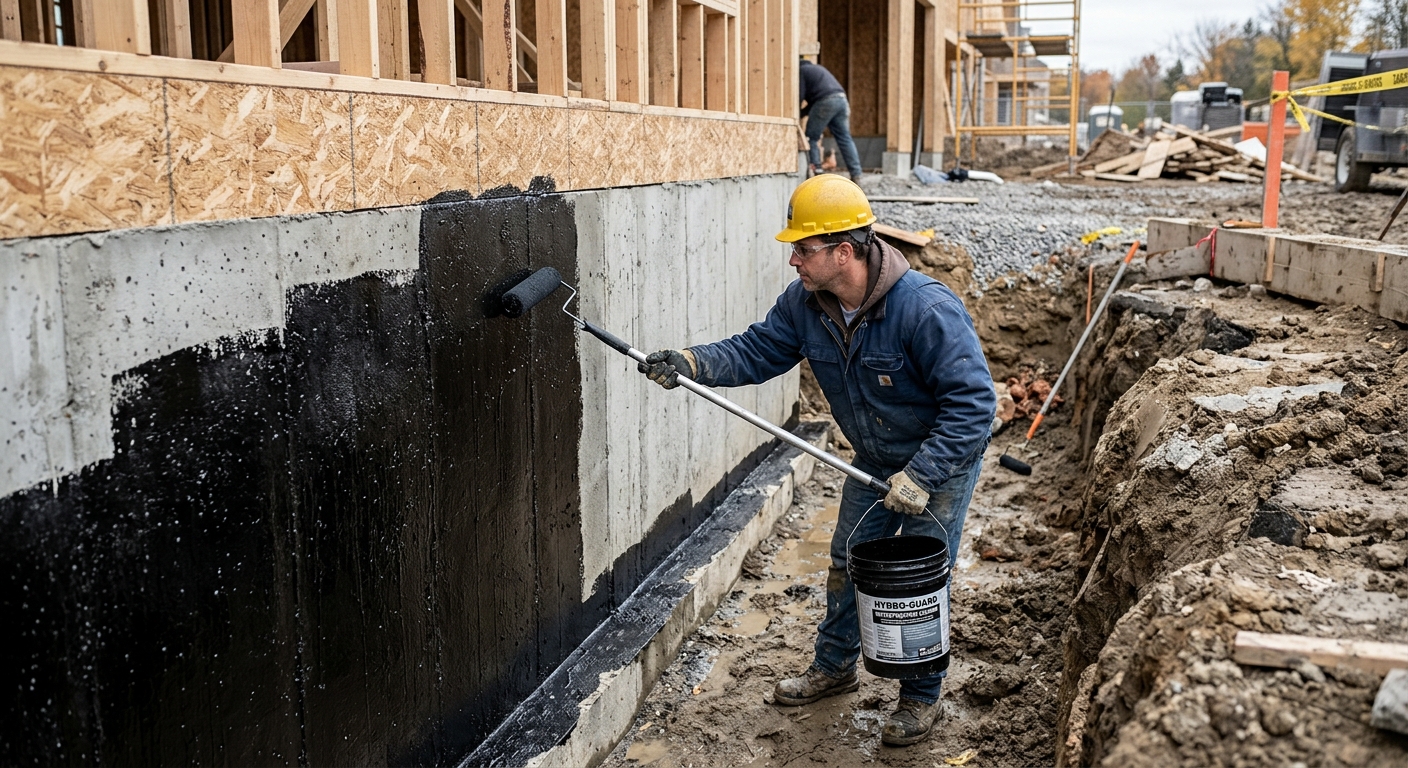
Basement waterproofing options and costs in Ancaster
Ancaster homeowners usually start looking at basement waterproofing when they notice musty odours, damp block joints, or wall cracks that worsen after spring thaw. With Ancaster’s housing mix and the fact that the area sits in the Hamilton–Niagara Peninsula economic region, you’ll often see older basements where original waterproofing systems have aged out. Ancaster’s population is 40,557 (Statistics Canada, 2021 Census), and that steady demand supports consistent contractor availability—especially in the older, more established pockets such as the neighbourhoods around Mohawk Road and near Governors Road where lots tend to back onto lower-lying drainage patterns.
Cost is driven by what’s actually causing the water. In this region, clay and silty clay subsoils can hold moisture and expand during Ontario’s freeze–thaw cycles, which increases the likelihood of cracking and inward bowing over time. Regional hydrogeology often puts water tables roughly 2–4 m below grade, with perched water possible in shallow fill layers—so deeper basements and properties with limited surface drainage often require more robust excavation, drainage stone, and sump capacity. That’s why two neighbours can get very different quotes for what looks like the same “damp basement” problem.
Below are the most common options we see around Ancaster, along with typical disruption and cost ranges. Use this table to anchor your budget before you meet contractors and confirm the exact scope (excavation depth, pump sizing, and whether we’re treating failed weeping tile or just managing seepage).
| Method |
What It Addresses |
Disruption Level |
Durability |
Price Range |
| Exterior excavation + new membrane + drainage tile |
Primary source of water entry and hydrostatic pressure control |
High (excavation, landscaping restoration) |
Long-term (typically 15–25+ years with proper backfill/drainage) |
$12,000–$25,000 |
| Interior perimeter drain channel + sump pit |
Water after it enters; reduces seepage and hydrostatic pressure locally |
Medium (cutting/drain channel, pump discharge line) |
Good (often 10–20+ years depending on maintenance) |
$8,000–$18,000 |
| Foundation crack injection (epoxy or polyurethane) |
Crack sealing to stop seepage and/or stabilize non-moving cracks |
Low (typically localized drilling/injection) |
Variable: epoxy for non-active cracks; polyurethane for active leaks |
$600–$1,800 |
| Sump pump installation (primary + battery backup) |
Controls groundwater and reduces risk of interior flooding during outages |
Low to Medium (floor cut, pit, discharge/backup wiring) |
High when properly sized and maintained (5–15+ years per component life) |
$1,800–$4,200 |
| Window well drain installation |
Surface water management around egress windows |
Low to Medium (localized excavation/rock bedding) |
Good (often 8–15+ years with periodic inspection) |
$800–$2,400 |
| Lot re-grading / downspout extension |
Redirects roof and surface runoff away from foundation |
Low (light excavation, minor landscaping) |
Moderate (can last 5–10+ years depending on settling/vegetation) |
$1,200–$4,800 |
Prices are estimates only and vary by project scope, site access and material selection.
What affects the price of waterproofing in Ancaster
In Ancaster and across the Hamilton–Niagara Peninsula, homeowners sometimes see the same “waterproof the basement” request come back with bids that differ by 30–50%. The spread usually isn’t about the brand alone—it’s about how deeply the contractor digs into diagnostics, how much drainage is rebuilt, and whether they’re addressing the source of water or only the symptoms.
The three main cost drivers that separate regional pricing from the national average are soil type, water table behaviour, and freeze–thaw effects. Clay-heavy pockets around Hamilton and nearby areas can hold moisture and then expand as temperatures swing, exerting lateral pressure on foundation walls and worsening cracks over time. When the water table sits in the range of roughly 2–4 m below grade (and can rise in spring or after wet spells), sump pump run times and discharge requirements become more demanding. In Ontario, freeze–thaw widens existing cracks; if weeping tile has been failing for years, you’re often paying for deeper excavation and more robust drainage stone and membrane systems rather than a simple patch.
Concrete examples in Ancaster that raise costs: (1) a deeper basement in cohesive clay often requires more excavation time and careful removal/replacement of saturated backfill; (2) a property with old weeping tile (commonly 60+ years in some older neighbourhoods) may need a more complete drainage re-route, not just a localized tie-in; (3) a foundation with multiple active seepage points typically pushes homeowners from “crack injection only” into a combined interior system—where budgets can move from the $600–$1,800 crack repair band toward $8,000–$18,000 interior waterproofing.
Costs can come down when the issue is primarily surface water—like downspouts dumping close to the wall—and when access is easy. But when groundwater is the driver, skipping drainage upgrades is often what leads to repeating the same work after another spring cycle.
| Price Factor |
Why It Matters |
Cost Impact |
| Interior vs. exterior approach — interior is less disruptive but addresses symptoms |
Exterior targets hydrostatic pressure at the source; interior manages water after entry |
Interior often runs $8,000–$18,000 while full exterior is commonly $12,000–$25,000 |
| Foundation type — poured concrete vs. block vs. stone vs. ICF |
Different wall materials crack/seep differently and accept repairs differently |
Block often needs more interior drainage; poured concrete may suit crack injection more effectively |
| Soil type — clay expands more than sand, adding pressure |
Freeze–thaw and moisture retention increase lateral pressure and failure risk |
Clay-heavy sites commonly require heavier drainage stone and more careful backfill |
| Crack type and length — hairline vs. structural horizontal cracks |
Active seepage needs different injection and often wider remediation scope |
Hairline repairs may land near $600–$1,800; structural issues can move beyond crack injection |
| Sump pump backup system — battery or water-powered backup needed |
Prevents basement flooding during power interruptions in spring storms |
Often adds meaningfully to the sump budget within $1,800–$4,200 |
| Access — landscaping, decks, or driveways must be removed for exterior |
Removal/disposal and restoration time varies widely by site constraints |
Exterior jobs can increase materially depending on how much must be uncovered |
| Weeping tile age — original tile (60+ years) may be completely failed |
Failing tile can shift water paths and increase seepage volume |
Can move a “targeted fix” into a full interior perimeter drain or exterior rebuild |
| Mould or efflorescence remediation required before sealing |
Sealing over active moisture or contamination reduces adhesion and lifespan |
Adds labour and materials; often increases time before membranes/injection begin |
Permits & regulations in Ontario
In Ontario, certain foundation-related work commonly triggers permitting and/or approvals, especially when you’re changing drainage, performing structural crack repairs, or altering how water is discharged. In most typical Ancaster projects, foundation excavation and new or modified drainage systems around the foundation are the kinds of work that often require a building permit. Structural crack repair—particularly for horizontal cracks in block walls or major step cracks—may require an assessment by a structural engineer to confirm whether there is active movement and whether underpinning or other structural steps are needed.
Sump pump installations can also require municipal approval when the discharge connects to a storm or sanitary system. Before anyone breaks the floor or trenches, you want clarity on where the discharge line goes and whether a permit/approval is required for that connection or any related changes to drainage. As a homeowner, you’ll also want to confirm the contractor carries liability insurance and WSIB/WCB coverage; for structural repairs, many reputable firms also have engineering support lined up so they’re not guessing at severity.
What usually DOES require extra checks/permits in Ontario: exterior excavation near foundations, re-routing/adding weeping tile or drainage discharge, and structural crack repairs where movement is suspected. What typically does NOT: purely cosmetic sealing of interior walls, or minor localized patching when no drainage or structural capacity is being changed (however, you should still confirm with the contractor and local office).
To verify contractor status in Ancaster: (1) confirm the licence/registration details using Ontario’s online contractor verification where applicable; (2) request a current certificate of insurance and ensure dates/coverage amounts are valid for your project; (3) ask for WSIB/WCB clearance documentation (or provide the relevant proof of coverage) and check it matches the company name on the contract.
Interior vs exterior waterproofing — what does Ancaster need?
The core difference is source control versus water management. Exterior waterproofing involves full excavation, a new drainage tile system, and an engineered membrane that blocks water entry before it reaches the foundation. It’s the most permanent approach, but it comes with significantly more disruption: excavation, temporary re-grading, and restoration of landscaping, patios, or driveways.
Interior waterproofing—such as a perimeter drain channel, sump pit, and sump pump—captures water after it enters the basement. It’s typically less invasive and faster to implement, but it doesn’t directly stop hydrostatic pressure acting on the wall itself. In Ancaster’s Hamilton–Niagara Peninsula conditions (clay-heavy subsoils, variable groundwater behaviour, and freeze–thaw), interior solutions can work very well when the exterior drainage has failed or when excavation isn’t practical. Poured concrete walls often respond well to crack injection when cracks are not actively moving, while block foundations usually benefit from interior drainage as a practical complement because water commonly finds multiple pathways at mortar joints.
Ontario power interruptions can happen during spring weather and heavy wind events, and that’s why sump pump backup matters. A battery backup (or other approved backup method) can help prevent freeze-related hazards and indoor flooding when the primary pump is off.
To put the price difference in context: if your issue is mostly localized seepage, crack injection might be in the $600–$1,800 band. If inspection shows failed weeping tile and consistent groundwater pressure, you should expect interior perimeter drain plus sump work in the $8,000–$18,000 range—or full exterior excavation closer to $12,000–$25,000 when the source needs to be corrected.
| Method |
Best For |
Addresses Source? |
Disruption |
Lifespan |
Price Band |
| Full exterior excavation + membrane |
Chronic seepage and groundwater where exterior drainage has failed |
Yes (addresses water entry and hydrostatic pressure) |
High |
15–25+ years |
$12,000–$25,000 |
| Interior French drain + sump system |
Basements with damp walls/floors where excavation is limited or costly |
Partially (manages water after entry) |
Medium |
10–20+ years |
$8,000–$18,000 |
| Crack injection — epoxy (structural) |
Non-moving hairline to moderate cracks in poured concrete (or stable walls) |
No (seals the crack; assumes water entry is controlled) |
Low |
Often 10–20 years if crack is stable |
$600–$1,800 |
| Crack injection — polyurethane (active leak) |
Cracks with active seepage where flexibility is needed |
No (stops the active leak pathway; source may still exist) |
Low |
Often 8–15 years depending on conditions |
$600–$1,800 |
| Interior drain channel only (no sump) |
Very mild dampness where gravity drainage can reliably handle water |
Partially (captures water, but may not handle peak groundwater) |
Medium to Low |
5–12 years (varies with water level) |
$5,500–$12,000 |
| Re-grading + downspout extensions |
Surface runoff issues near foundation, eavestrough overflow, poor slope |
Sometimes (addresses surface source rather than groundwater pressure) |
Low |
5–10+ years |
$1,200–$4,800 |
How to choose a waterproofing contractor in Ancaster
Start by verifying three things: licensing/registration where required, liability insurance, and WSIB/WCB coverage. In Ontario, waterproofing firms should be able to provide proof quickly. Ask for a current certificate of insurance (liability) and verify it’s in the name of the exact legal entity on the contract. For WSIB/WCB, request clearance documentation and confirm it covers the trades involved (excavation, concrete cutting, electrical work for pumps/backup).
Next, get 2–3 itemised written quotes. You want line-by-line details showing labour and materials: membrane type, drainage tile and stone specification, sump pit dimensions, pump model and discharge line routing, disposal of excavated soil, and restoration scope. A quote that lumps everything into one number may hide exclusions—like whether they include permit pulling, testing, disposal, or restoration of your walkway, sod, or fence line.
Warranty matters too. Ask for the length of workmanship warranty and whether it’s backed by the installer or depends on the manufacturer’s product warranty. Clarify if the warranty is transferable if you sell the home—this can be important for resale in Ancaster.
Payment schedule should stay controlled. Never pay more than 10–15% upfront, and hold back a portion until the job is complete and the area is left clean and functional (especially around discharge lines and pump testing). Finally, insist on a written timeline with a start date and completion estimate, and require that any changes to scope go back into writing.
- Ask how they diagnose active leaks (inspection, moisture mapping, crack assessment) before proposing exterior excavation.
- Confirm whether they’ll address failed weeping tile versus only adding a sump system.
- Require itemised labour/materials (not just a lump-sum waterproofing price).
- Check the quote includes disposal of excavated soil and debris if excavation is required.
- Confirm permit pulling is included when drainage/structural work requires it.
- Verify sump pump discharge routing and where it terminates (and what approvals apply).
- Ask about sump pump backup options if you want resilience during outages.
- Get warranty terms in writing: workmanship length and what it covers.
- Ask if warranties are transferable at sale.
- Confirm cleanup and restoration scope (topsoil, sod/seed, patio repair allowance).
- Set a controlled payment schedule (10–15% max upfront).
- Request a written start date, duration estimate, and contact person for site updates.
Red flags we see in Ancaster include: contractors who won’t provide insurance/WSIB clearance when asked; quotes that don’t state where the sump discharge goes; “one-size-fits-all” proposals without identifying whether cracks are active; promises of “guaranteed dry basement” without addressing exterior drainage or water entry; and schedules that don’t include testing/inspection steps after installation.
Frequently asked questions — waterproofing in Ancaster
Do I need a permit for foundation work in Ontario?
In Ontario, permit requirements can apply depending on the exact scope of foundation waterproofing. Typically, foundation excavation around the perimeter, changes to lot drainage, and structural crack repair often require a building permit. Also, sump pump discharge connections that tie into storm or sanitary systems generally need municipal approval before work proceeds. For Ancaster homeowners, the best approach is to ask the contractor whether they will pull the permit(s) as part of the scope and to confirm the discharge outlet plan before any trenching starts. If your project is only a small repair like foundation crack injection, permits may be less likely—but it still depends on whether the work is considered structural or drainage-related. A reputable contractor will clearly state what’s included on the quote.
How long does waterproofing last?
Basement waterproofing longevity depends on whether the system addresses water entry (source control) or only manages water after it enters. Exterior waterproofing with a proper membrane and drainage tile commonly provides 15–25+ years when the backfill, drainage stone, and discharge are installed correctly. Interior systems—like a perimeter drain and sump—often last 10–20+ years, but they rely on pump performance and routine checks of the sump/backup components. Crack injection can last well when cracks are stable; for example, repairs often fall in the $600–$1,800 range for localized work, but if the crack is actively leaking, the wrong resin choice can shorten lifespan. In Ancaster’s freeze–thaw climate and clay-heavy conditions, systems that ignore drainage and only seal cracks usually fail sooner after the next spring cycle.
Can I waterproof my basement from the inside only?
Yes, you can often waterproof from the inside only, especially when excavation is limited by landscaping, decks, or access. An interior perimeter drain channel and sump pit can significantly reduce seepage and floor dampness in Ancaster, particularly when groundwater is rising seasonally. However, interior work doesn’t eliminate hydrostatic pressure against the wall—so if your exterior drainage tile has completely failed or the foundation is getting heavy groundwater pressure, exterior excavation may be the longer-term fix. If you’re dealing with a localized leak or stable cracks, crack injection might be a starting point (frequently within the $600–$1,800 band), but it’s usually paired with drainage improvements when testing shows consistent water loads. For many homeowners, interior systems land in the $8,000–$18,000 range depending on how much perimeter needs to be drained and whether a backup pump is included.
What causes foundation cracks in Ancaster?
In Ancaster and the Hamilton–Niagara Peninsula region, foundation cracking is commonly caused by a combination of soil moisture changes and freeze–thaw. Clay and silty clay subsoils can hold water and expand during winter temperature swings, increasing lateral pressure on foundation walls. Over time, this can turn hairline cracking into wider cracks, especially if the basement has periodic seepage from old weeping tile. Uneven settlement can also contribute, but hydrostatic pressure is usually the bigger driver when you see dampness along joints or below-grade wall corners. If your home has older original waterproofing systems—sometimes tied to much older weeping tile—cracks can worsen because water pathways remain active. A key step is determining whether cracks are actively leaking (polyurethane often used) or stable (epoxy structural injection may be appropriate), because choosing the wrong repair resin can lead to recurring seepage.
How do I compare waterproofing quotes?
Compare quotes like a scope audit, not just by the total price. Ask each contractor for an itemised breakdown: what they will remove, what products/specs they’ll use (membrane type, drainage tile/stone), how deep excavation goes (if exterior), and where discharge lines terminate (if interior sump systems). Confirm whether permits are included when required for drainage changes or structural crack repair. For Ancaster projects, also check whether they address likely water pressure: will they rebuild weeping tile and exterior drainage (often in the $12,000–$25,000 band for exterior), or will they manage it with an interior drain and sump (often $8,000–$18,000)? A quote that proposes only crack injection without discussing drainage is a common mismatch when groundwater loads are the real issue. Finally, verify warranty terms, insurance, and WSIB/WCB coverage before deciding.
How long does basement waterproofing take in Ancaster?
Timelines vary by method and site access, but you can plan around realistic ranges. Local interior perimeter drain and sump projects often take several days to about one to two weeks including concrete cutting, drain installation, pump setup, and curing/cleanup. Exterior excavation projects can take longer because they require perimeter access, deeper excavation in wet cohesive soils, membrane/drain installation, and landscaping restoration—often extending to one to several weeks depending on how much needs to be removed and rebuilt. Crack injection work is typically the fastest, often completed in a day or two, especially for localized repairs (frequently within the $600–$1,800 band). In Ancaster’s spring freeze–thaw pattern, contractors may also schedule around weather to reduce saturated excavation conditions. Ask for a written start date and completion estimate, and confirm what happens if they encounter unexpected groundwater or buried drainage.