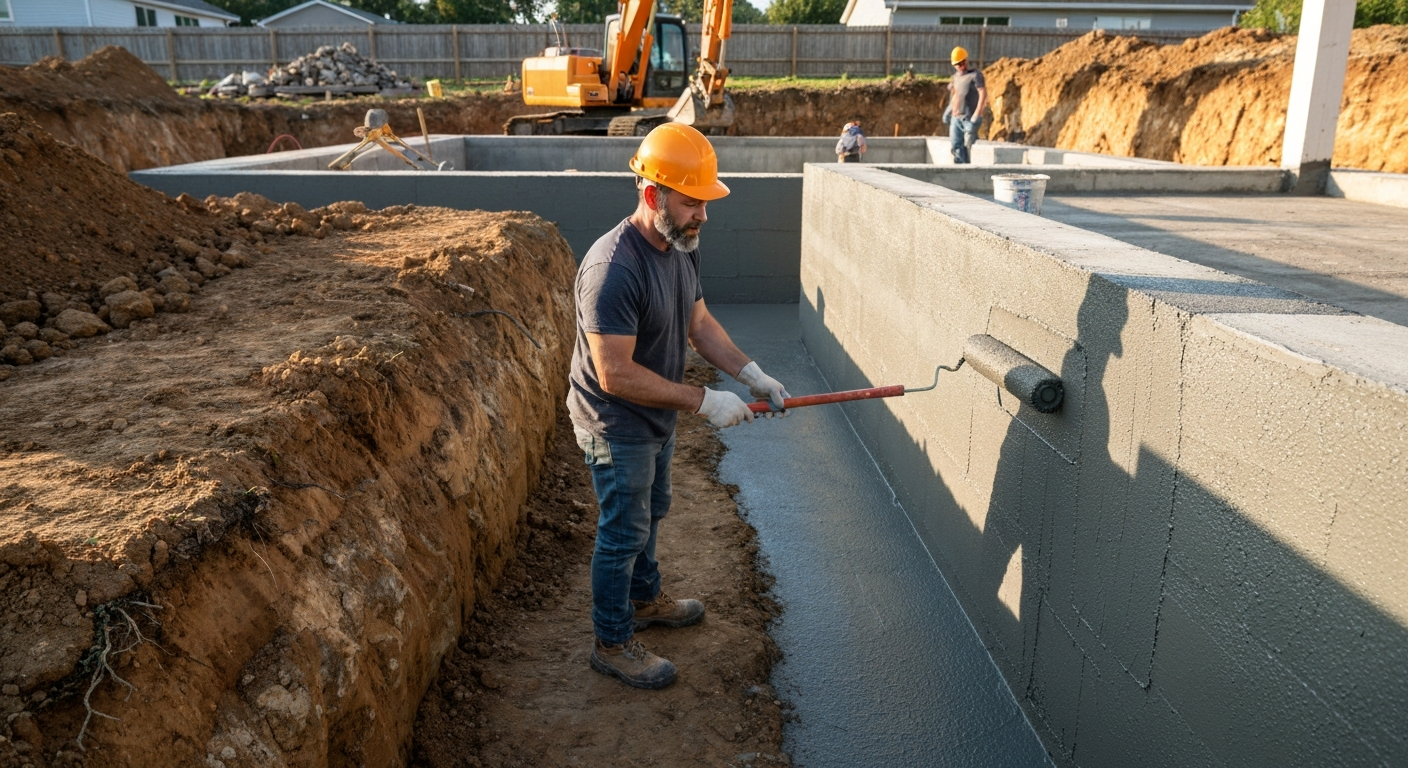
Basement waterproofing options and costs in Steeles
Basement waterproofing in Steeles is usually about managing water pressure, not just “drying a wet basement.” In the Steeles area, homes often sit in pockets of dense clay, and with freeze–thaw cycles around the GTA, small defects can turn into active leaks. That matters for cost because waterproofing companies price jobs based on how the site holds water and how access is handled. For context, Steeles has a population of 24,623 (Statistics Canada, 2021 Census), and the steady mix of older owner-occupied housing plus active infill keeps demand high for both exterior and interior systems. Many post-war and 1960–1980s homes in the broader Toronto area were built before today’s membranes and drainage details—so failed or clogged weeping tile, corroded joints, and deteriorated tar-and-paper systems are common triggers for interior dampness, efflorescence, and recurring seepage.
Contractors also see how the local market affects pricing. In tight urban lots near the Steeles Ave corridor, excavation can require careful hand-digging around additions, decks, or shared driveways—pushing exterior excavation toward the higher end of the region’s bands. At the same time, interior perimeter drainage is often quicker to schedule when soil and water conditions make excavation difficult. If you’re dealing with isolated cracking, injection can be cost-effective; if you’re seeing chronic wet walls after spring melt, a perimeter drainage and sump approach (or full exterior work) is typically the more reliable fix.
Below are the common waterproofing methods homeowners in Steeles choose, with typical disruption and realistic budget ranges—then you can compare what each contractor is proposing in your own quotes.
| Method |
What It Addresses |
Disruption Level |
Durability |
Price Range |
| Exterior excavation + new membrane + drainage tile |
Lateral water pressure, perimeter water entry, failed weeping tile, cold joints |
High (yard disruption, hand-digging, backfill, re-landscaping) |
High (source control when properly installed) |
$10,000 – $25,000 |
| Interior perimeter drain channel + sump pit |
Water after it enters; reduces hydrostatic pressure at the floor/wall line |
Medium (cutting/finishing indoors) |
High (if discharge and pump sizing are correct) |
$6,500 – $13,500 |
| Foundation crack injection (epoxy or polyurethane) |
Specific cracks: epoxy for non-moving cracks; polyurethane for active leaks |
Low (spot drilling/patching) |
Medium to High (depends on crack type and ongoing pressure) |
$600 – $2,500 |
| Sump pump installation (primary + battery backup) |
Chronic seepage and reduced flood risk during power interruptions |
Low to Medium (pit excavation within basement) |
Medium to High (backup reliability improves outcomes) |
$1,100 – $3,500 |
| Window well drain installation |
Water infiltration from above-grade and landscaping around egress areas |
Low to Medium (window well excavation/repair) |
Medium to High |
$800 – $2,200 |
| Lot re-grading / downspout extension |
Redirects roof and surface water away from foundation |
Low to Medium (soil reshaping and minor landscaping) |
Low to Medium (works best with good drainage elsewhere) |
$2,000 – $6,500 |
Prices are estimates only and vary by project scope, site access and material selection.
What affects the price of waterproofing in Steeles
In Steeles and across the Toronto region, it’s common to see waterproofing quotes for “the same basement problem” vary by 30–50%. The main reason is that contractors often interpret the cause differently: one estimate may target the source (exterior drainage and membrane), while another targets the symptom (interior drains and pumps). Both can work, but the cost is shaped by soil type, water table behaviour, and freeze–thaw activity—three drivers that separate local pricing from the national average.
First, soil type: mixed glacial till with clay pockets can hold water against foundations and expand when saturated. That expansion increases lateral pressure on foundation walls, which can widen cracks over a few winters. Second, water table and drainage: in Steeles and the broader Toronto area, higher local water conditions mean pumps run longer and discharge planning (and sometimes backup) becomes more important. Third, freeze–thaw: repeated expansion and contraction widens small defects in concrete and block foundations, turning hairline seepage paths into active leaks.
Concrete examples that move cost up or down in Steeles: (1) if your home has original clay weeping tile (often 60+ years old in older neighbourhood stock), it may be partially collapsed or clogged—forcing either exterior replacement or an interior system sized for ongoing flow, commonly pushing the budget toward interior ranges like $6,500 – $13,500 or higher. (2) if your foundation is block with visible step cracking or prior patching, interior drainage alone may require supplemental crack work; crack injection budgets can fall near $600 – $2,500, but more active leaks can increase labour if polyurethane injection is needed and paired with drainage.
Finally, access and labour: tight lots, decks, or shared driveways can make excavation slower and more expensive. That’s why exterior excavation—priced locally around $10,000 – $25,000—is often held back unless the assessment shows source control is the better long-term spend.
| Price Factor |
Why It Matters |
Cost Impact |
| Interior vs. exterior approach — interior is less disruptive but addresses symptoms |
Source control generally requires full excavation; interior systems manage water after entry |
Exterior can cost ~1.5x–3x more due to excavation, membranes, and restoration |
| Foundation type — poured concrete vs. block vs. stone vs. ICF |
Crack behaviour and water pathways differ by material |
Poured concrete often seals better with targeted crack work; block may need fuller interior drainage |
| Soil type — clay expands more than sand, adding pressure |
Clay saturation increases lateral pressure and re-opening of defects |
Can raise costs by requiring more robust drainage and/or backup pumping |
| Crack type and length — hairline vs. structural horizontal cracks |
Active leaks need different materials and sometimes engineering review |
Structural/active cracks increase labour, testing, and injection quantities |
| Sump pump backup system — battery or water-powered backup needed |
Power interruption risk during spring melt and storms |
Backup typically adds a measurable cost but reduces flood damage exposure |
| Access — landscaping, decks, or driveways must be removed for exterior |
Working space affects excavation time and restoration scope |
Exterior projects can jump quickly if hand-digging and rebuild work are required |
| Weeping tile age — original tile (60+ years) may be completely failed |
Old drainage may be collapsed or blocked, feeding water indoors |
May shift a “repair” into a replacement scope or require a higher-capacity interior system |
| Mould or efflorescence remediation required before sealing |
Sealers and membranes perform better on properly cleaned substrates |
Additional remediation time and materials can add days and cost before waterproofing begins |
Permits & regulations in Ontario
In Ontario, some waterproofing-related scopes are treated as permitting and inspection items—especially where you’re changing structural components or lot drainage. In most cases, foundation excavation, structural crack repair that impacts load paths, and changes to lot drainage typically require a building permit. If your plan includes modifying discharge routes or connecting a new sump pump system to municipal sewer systems, municipal approval is commonly required (requirements vary by connection method and discharge location).
For structural crack repair—particularly horizontal cracks in block walls, major step cracks, or any sign the wall may be moving—an assessment by a structural engineer is often needed to determine whether underpinning or other structural work is required. Before you sign, ask whether the contractor includes engineering support for structural scopes and whether they carry the required liability insurance. Also confirm they have WSIB/WCB coverage for their workers (and that they can provide proof).
Step-by-step for homeowners in Steeles: (1) Request the contractor’s permit responsibility wording in writing. If they’re pulling the permit, they should tell you what permits are required and at what stage. (2) Ask for a certificate of insurance that matches the work (liability) and current WSIB/WCB clearance. (3) When structural repair is mentioned, ask for the engineer’s role: whether they’ll coordinate the assessment and submit required documentation. (4) Verify the contractor’s Ontario registration status and credentials through the appropriate online registry resources provided by the province. If anything is unclear, pause—waterproofing is one of those jobs where paperwork matters because it ties to safety, discharge, and accountability.
Interior vs exterior waterproofing — what does Steeles need?
The fundamental difference is simple: exterior waterproofing is source control, while interior waterproofing is relief control. Exterior systems require full excavation, new membrane, new drainage tile, and proper backfill. When installed correctly, they prevent water from getting into the foundation in the first place—so they’re the most “permanent-feeling” fix. The trade-off is higher cost and landscape disruption in Steeles, where access is often limited by mature landscaping, additions, or deck/driveway geometry.
Interior systems—like a perimeter drain channel, sump pit, and sump pump—manage water after it enters. This reduces the chance of basement flooding and helps with recurring seepage, especially when hydrostatic pressure is building during spring melt and heavy rains. However, interior work does not stop lateral pressure against the wall itself, which is why we often recommend pairing it with crack injection when there’s an identifiable leak path. In Steeles’ typical GTA conditions (mixed glacial till/clay pockets and freeze–thaw), interior drainage is a practical complement: poured concrete walls often respond well to targeted crack injection because the leak path is more predictable, while block foundations frequently need interior drainage to handle consistent seepage patterns.
Backup pumps matter locally. During winter storms and spring flooding, short power interruptions can occur, and a sump without backup can still leave you vulnerable. Adding battery backup (or a water-powered backup where appropriate) costs more, but it can protect finished basements and reduce cleanup after a failure.
Where the price difference is justified: If your inspection shows widespread water entry and the original drainage is failing, exterior excavation may cost around $10,000 – $25,000, but it can reduce the need for repeat interventions. If your leak is isolated—say a localized active crack—crack injection plus an interior drain strategy might land closer to $600 – $2,500 for the crack work, with additional interior components as required. In Steeles, that’s why a proper assessment—soil, crack type, and drainage condition—drives the smartest value choice.
| Method |
Best For |
Addresses Source? |
Disruption |
Lifespan |
Price Band |
| Full exterior excavation + membrane |
Chronic seepage, failing exterior drainage, clay-heavy backfill, high lateral water pressure |
Yes |
High (excavation and restoration) |
Long (when drainage discharge is correct) |
$10,000 – $25,000 |
| Interior French drain + sump system |
Recurring wet walls/floors, difficult exterior access, persistent groundwater seepage |
No (manages water after entry) |
Medium (indoor perimeter work) |
High (pump sizing and discharge control) |
$6,500 – $13,500 |
| Crack injection — epoxy (structural) |
Non-moving cracks in poured concrete or stable sections |
Partial (stops seepage path in that crack) |
Low |
Medium to High |
$600 – $2,200 |
| Crack injection — polyurethane (active leak) |
Active weeping through cracks or intermittent leaks during spring melt |
Partial (addresses active flow path) |
Low |
Medium to High (paired with drainage when needed) |
$900 – $2,500 |
| Interior drain channel only (no sump) |
Light seepage, non-flooding damp areas, good grading/discharge outside |
No |
Medium to Low (depends on finishing) |
Medium (performance depends on water volume) |
$3,500 – $8,500 |
| Re-grading + downspout extensions |
Surface water issues, overflow at eaves, pooling near foundation |
Yes for surface sources |
Low to Medium |
Low to Medium (best as part of a broader plan) |
$2,000 – $6,500 |
How to choose a waterproofing contractor in Steeles
Choosing the right waterproofing contractor in Steeles starts with verifying the basics—because waterproofing failures are often paperwork and scope failures, not just material issues. In Ontario, confirm the contractor carries liability insurance and has WSIB/WCB coverage for workers. How to check: ask for a certificate of insurance (COI) and make sure it’s current and relates to the work being performed; request proof of WSIB/WCB clearance or a clearance letter where available. For licensing, confirm their registration and credentials using the appropriate Ontario online registry search tools (the contractor should be able to point you to the correct listing).
Next, get 2–3 itemised written quotes—not lump sums. A good quote breaks out labour and materials (excavation, membrane, drainage tile, filter fabric, sump basin, pump/backup, disposal, and restoration). Read exclusions carefully: Is demolition and disposal included? Is permit pulling included (or is that your responsibility)? Are landscaping repairs included, and to what standard? Also confirm the discharge plan: where will the sump pump drain, and what route and elevation are planned to avoid backflow?
Warranty is another differentiator. Ask for the workmanship warranty length and what it covers (including crack injection and pump components if applicable), and whether it’s transferable to a future owner. On payment schedule, never pay more than 10–15% upfront; hold back a meaningful portion until the job is complete and you’ve received product documentation. Finally, get a written timeline with a start date and completion estimate—weather and access affect exterior work in Steeles, so you want realistic scheduling and communication.
- Ask for their Ontario permit approach in writing (who pulls permits, and what permits apply).
- Confirm liability insurance and WSIB/WCB coverage; request current proof/clearance.
- Use itemised quotes: labour, materials, equipment, disposal, and restoration should be separated.
- Confirm which waterproofing products they use (membrane type, drainage tile specs, injection material).
- Verify sump discharge design (anti-backflow measures and discharge route).
- Ask whether they include a sump pump backup system and what power interruption scenarios are covered.
- Check whether crack injection is based on crack type (epoxy vs polyurethane) and crack preparation steps.
- Require a site access plan: how they handle decks, driveways, and hand-digging constraints.
- Get a disposal/restoration commitment spelled out (topsoil, sod/seed, or patio rebuild expectations).
- Request warranty details in writing, including workmanship coverage and any exclusions.
- Ensure product/manufacturer warranty details are provided and understand transferability.
- Never accept “cleaning and sealing only” for active seepage when drainage and hydrostatic pressure are the likely root cause.
Red flags we see in Steeles include: contractors who promise a permanent fix without diagnosing whether water is entering via drainage failure versus cracks/joints; quotes that don’t specify whether they’ll install new drainage tile or simply “seal the inside”; no mention of sump discharge and backup for recurrent seepage; vague warranty language that excludes pumps, crack injection, or pump pits; and contractors who request large upfront payments or won’t provide proof of insurance/WSIB/WCB.
Frequently asked questions — waterproofing in Steeles
What causes foundation cracks in Steeles?
In Steeles, foundation cracks usually come from movement and pressure over time—most often soil expansion and freeze–thaw cycling. Dense clay backfill can saturate, expand when conditions change, and exert lateral pressure on walls. Over winter, freeze–thaw widens small openings in concrete and block, turning hairline seepage paths into active leaks over a few seasons. Poor or failing drainage (including clogged or collapsed weeping tile) can keep the wall area wetter than it should be, increasing hydrostatic pressure that pushes on joints and weak points. Many 1960–1980s and older GTA basements also have prior repairs or aging mortar/caulking that don’t keep up with today’s water pressure patterns. If you can share photos and whether the crack is vertical, stair-stepped, or horizontal, we can suggest whether targeted injection or drainage is more appropriate.
How do I compare waterproofing quotes?
To compare waterproofing quotes in Steeles, insist on like-for-like scopes. Ask each contractor to itemise labour and materials (excavation, membrane, drainage tile, pump system, disposal, and restoration) rather than giving only a lump sum. Make sure they address the root cause: exterior entry versus interior relief. For example, if one quote targets interior perimeter drainage and sump management around $6,500 – $13,500, and another focuses on exterior excavation and membranes around $10,000 – $25,000, you’re not comparing apples to apples—you’re comparing different strategies. Also check whether permit pulling is included, what discharge route is planned, whether backup power is part of the sump plan, and how they handle mould/efflorescence remediation before sealing. Finally, confirm warranty terms and whether they’re providing proof of liability insurance and WSIB/WCB coverage.
How long does basement waterproofing take in Steeles?
Timelines vary by method and access conditions common in Steeles. Interior perimeter drainage with a sump pit often takes less time than exterior excavation because it’s contained indoors—typically several working days, depending on how much concrete cutting, wall prep, and interior finishing restoration is required. Exterior projects are more sensitive to weather and site conditions: excavation, membrane application, installing drainage tile, and then backfilling and restoration can stretch longer, especially with hand-digging around decks, additions, or tight driveways. If crack injection is the only scope, it can be quicker (a smaller schedule impact), but it still depends on crack preparation and whether additional drainage or sump upgrades are needed. A reputable contractor should give you a written start date, weather contingencies, and a completion estimate in the proposal—so you can plan trades and avoid long downtime for finished basements.
What is a weeping tile and does my Steeles home have one?
A weeping tile is the old-style perimeter drainage system installed around foundations to collect groundwater and relieve pressure—often made of clay tile in older homes, later replaced with plastic in some eras. In Steeles, many post-war and older basements may have original weeping tile, but it can be partially collapsed or clogged after decades, especially if the discharge route is compromised. You usually can’t confirm it visually without excavation, but there are clues: a history of interior dampness, efflorescence, or recurring seepage that worsens in spring often points to a drainage issue. If you have an inspection, the contractor may use probing or check patterns in floor seepage locations. If the system is failing, you may see interior water requiring interior drainage and sump work—or exterior replacement if you’re aiming for source control. If you tell us your foundation material (poured concrete or block) and the approximate home age, we can suggest the most likely scenario.
Can I waterproof my basement in winter in Steeles?
Yes, you can sometimes do waterproofing in winter in Steeles, but the best scope depends on the method. Interior waterproofing (perimeter drain channel, sump pit work, and crack injection) is often workable when you can access the basement and keep materials protected from freezing conditions. Exterior excavation is harder in winter because soil is frozen and working around the foundation becomes slower and more expensive; membranes and backfill handling also require careful temperature control. Contractors will adjust schedules and may recommend interior relief measures if you need flood protection immediately. In many cases, homeowners start with interior waterproofing to stop active seepage, then plan full exterior source control for warmer months. If you’re facing active leakage during freeze conditions, ask whether a sump pump with backup (often battery backup) is included, because power interruptions can cause basement flooding even when waterproofing work is underway.
What is the difference between waterproofing and damp-proofing?
In Ontario practice, “damp-proofing” usually means controlling minor moisture through surface treatments—often suitable for light seepage or humidity, not active water under pressure. “Waterproofing” addresses water entry and hydrostatic pressure more directly through engineered systems like perimeter drainage tile, membranes, sump pumps, properly sealed joints/cracks, and correct discharge planning. In Steeles, where clay-heavy soils can hold water against foundations and freeze–thaw can widen defects, damp-proofing alone often fails to stop recurring wet walls or floor seepage. If you’re seeing efflorescence, recurring puddles, or water during spring melt, you should treat it as a waterproofing problem rather than a cosmetic moisture issue. That’s why system-based quotes matter. For example, a sump solution may be in the $1,100 – $3,500 range when paired with the right pump plan, while exterior source control is typically more involved at $10,000 – $25,000.